
Lawn
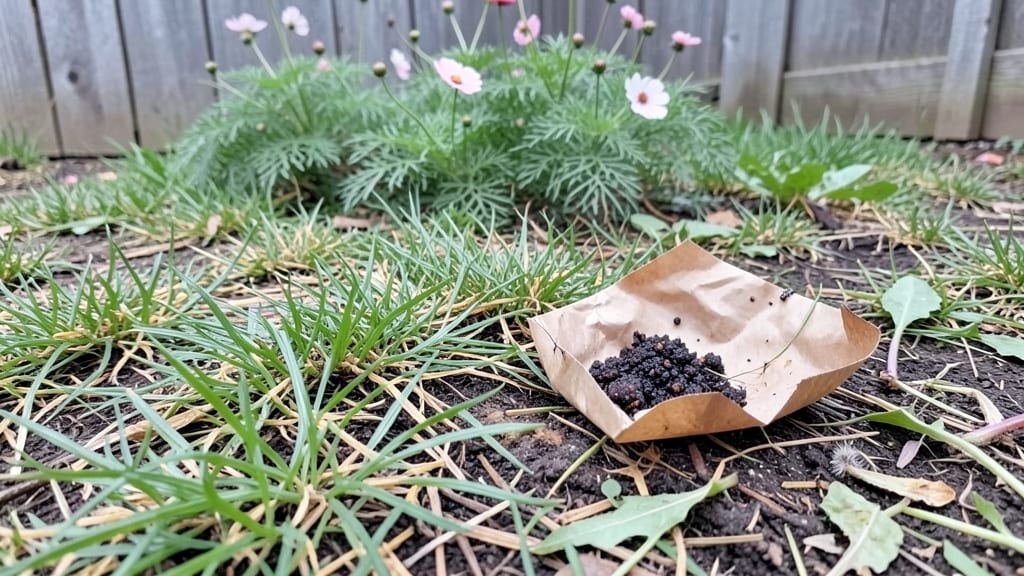
Pet waste left unattended creates a silent threat to your lawn's health.
The nitrogen in urine can alter soil pH over time, making it harder for grass to absorb essential nutrients like phosphorus and potassium. 🌱 Feces introduce harmful bacteria that not only stink up your yard but also compete with beneficial microbes, weakening plant roots.
I've seen cases where neglected waste led to patchy, yellowing grass—what looked like drought damage was actually soil toxicity. Regular cleanup keeps your lawn lush and prevents long-term damage that's harder to reverse.
Beyond soil health, pet waste attracts pests like flies and raccoons, creating an unwelcome ecosystem in your yard.
The ammonia from decomposing waste can also burn grass blades, leaving brown patches that detract from your lawn's appearance. 🐝 A simple daily habit—like picking up after walks—can save you from costly soil amendments or reseeding down the line.
Think of it as lawn insurance: small efforts now prevent bigger problems later.
💡 In This Article
- How Pet Waste Damages Soil Chemistry
- Practical Lawn Care Routines for Pet Owners
How pet waste damages soil chemistry
Here's what's actually happening in your soil when pet waste sits too long: Dog and cat urine contains high levels of nitrogen—up to 10 times more than natural rainfall runoff.
This nitrogen overload rapidly converts to ammonia (NH₃), which raises soil pH levels above 7.5, creating alkaline conditions. 🌱 At this pH, essential nutrients like iron and manganese become chemically locked, making them unavailable to grass roots. The result?
Yellowing patches that look like nutrient deficiency but are actually toxicity from excess nitrogen.
The science gets even more specific with feces. Pet waste introduces E. coli and salmonella bacteria that thrive in warm, moist soil conditions. These pathogens produce enzymes that break down organic matter too aggressively, starving beneficial microbes like mycorrhizal fungi that help plants absorb water and nutrients.
Studies show lawns with chronic pet waste buildup have 30-50% fewer beneficial microbes compared to clean soil, directly correlating with weaker grass growth.
Ammonia buildup is particularly damaging because it doesn't just affect plants—it alters the soil's microbial ecosystem. The high pH creates an environment where harmful bacteria outcompete beneficial ones, creating a vicious cycle.
For example, Pseudomonas bacteria (common in pet waste) produce toxins that inhibit root growth by up to 40% in affected areas. This explains why you might see grass growing well in some spots but struggling in others—it's not just uneven watering, it's microbial imbalance caused by waste accumulation.
What most people don't realize is how quickly this damage accumulates. A single dog's urine contains enough nitrogen to create a 1-foot radius of altered soil chemistry after just 24 hours.
The ammonia gas released during decomposition doesn't just smell bad—it can actually burn grass blades at concentrations above 50 ppm, leaving visible brown patches. This chemical burn weakens the grass's natural defenses, making it more susceptible to disease and drought stress.
Consider this comparison: Healthy lawn soil has a pH range of 6.0-7.0, while areas with chronic pet waste can reach pH 8.0 or higher. At pH 8.0, phosphorus—an essential nutrient for root development—becomes chemically inert, meaning your grass can't access it even if you fertilize.
This explains why some homeowners add fertilizer but still see poor growth—the soil chemistry is already compromised by nitrogen overload.
The long-term effects are even more concerning. Research from the University of Minnesota found that lawns with untreated pet waste showed 25% less organic matter over 5 years compared to clean lawns. The reason? The high ammonia levels accelerate organic matter decomposition, reducing soil structure and water retention capacity.
This creates compacted soil that's more prone to erosion and less able to support healthy grass growth during drought conditions.