
Lawn
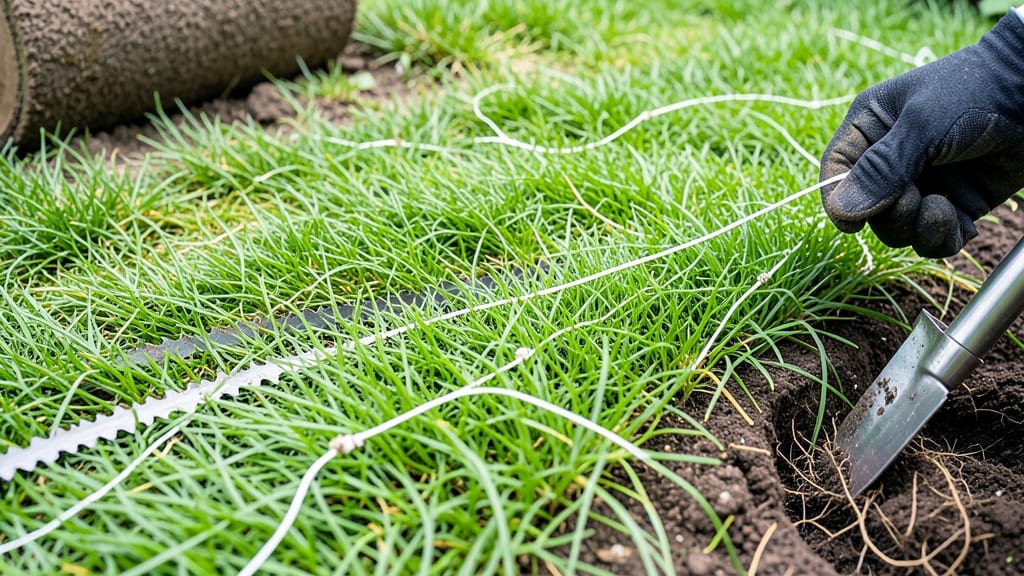
Creeping Charlie and other grass runners are the lawn's silent saboteurs, stealing sunlight and crowding out your grass. 🌱 I've spent years battling these tenacious invaders, and I've learned the secret to removing them without tearing up your lawn—it's all about precision timing and the right tools.
The key is acting early in the season when runners are actively growing but before they've rooted deeply. You'll need a sharp lawn edger, a strong vinegar solution (or a targeted herbicide for stubborn patches), and a methodical approach to avoid damaging your grass.
Most people give up too soon—patience is everything here.
With the right technique, you'll see those yellow-green patches shrink dramatically within weeks. The grass you've protected will fill in the gaps naturally, leaving you with a thick, uniform lawn that's actually worth bragging about. No more patchy, weedy eyesores—just lush green carpet.
This method works for creeping Charlie, clover, and other ground-hugging weeds, whether you're dealing with a small patch or a full lawn takeover. The best part? You can do it all without heavy machinery or toxic sprays that harm the environment. Let's get those runners out for good.
📚 In This Guide
- What you need
- Instructions
- Tips and common mistakes
- Wrapping up and next steps
What you need
- ● Digging Tool: A hand trowel (6–8 inches long) or a garden knife with a sharp, narrow blade for precision.
- ● Gloves: Heavy-duty gardening gloves (waterproof preferred) to protect your hands from dirt and sharp edges.
- ● Pruners: Bypass pruning shears for clean cuts around roots and runners.
- ● String Trimmer/Weed Whacker: A cordless or gas-powered trimmer (with a sharp blade) to trim runners close to the ground before removal.
- ● Rake: A stiff-bristle lawn rake (¼–½ inch spacing) to loosen soil and debris around the runners.
- ● Plastic Sheeting or Tarps: Heavy-duty 4–6 mil plastic (at least 4x6 feet per section) to cover removed runners and prevent regrowth.
- ● Disposable Bags: Contractor-style trash bags (30–50 gallon) for disposal or composting.
- ● Hose with Nozzle: A soaker nozzle to wet the soil slightly before digging (reduces resistance).
- ○ Knee Pads: Optional but highly recommended for comfort during long digging sessions!
- ● Vinegar Solution: 1 gallon white vinegar + 1 cup dish soap (for spot-treatment on stubborn runners post-removal).
- ● Pre-Emergent Herbicide: Corn gluten meal or a natural pre-emergent to prevent regrowth after extraction.
- ● Lawn Repair Kit: Seed mix and topsoil (for patching small holes left after removal).
- ● Safety Goggles: If working near rocky soil or debris.
- ● Portable Saw: For thick, woody runners (e.g., Bermuda grass stolons).
Step-by-Step instructions for removing grass runners without harming your lawn
Here’s how I tackle grass runners—carefully, so your lawn stays intact while those stubborn runners disappear for good.
🪴 Step 1: Gather the Right Tools for Clean Removal
You’ll need a sharp horticultural knife (or a sturdy garden knife), a hand weeder for stubborn roots, and a pair of gloves to protect your hands. I also keep a small bucket of soapy water nearby to clean tools between cuts—this prevents spreading any grass diseases between runners.
Wear old clothes or a gardening apron because grass runners stain easily. Work on a dry day when the soil is firm but not hard—this makes it easier to slide the knife under the runners without tearing the lawn. If the ground is too wet, you’ll risk damaging the grass blades you want to keep.
✂️ Step 2: Identify and Cut the Runners at the Right Time
Look for the thin, creeping stems (runners) that spread across your lawn. These are usually 1/8 to 1/4 inch thick and grow just above the soil surface. The best time to remove them is early morning or late afternoon when the grass is slightly damp but not soggy—this makes the runners easier to grip and cut.
Use your knife to slice just below the runner, making sure to sever the connection to the parent plant. For thick clusters, I cut in a zigzag pattern to avoid leaving any pieces behind. If you miss a section, new growth will sprout from the remaining root, and you’ll have to start over.
💧 Step 3: Pull and Dispose of Runners Immediately
After cutting, gently lift the runner from the soil using the hand weeder or your fingers. Be careful not to yank too hard—this can uproot nearby grass. If a piece breaks off, dig it out completely. The key here is removing every inch, even the smallest fragment, because left behind, it’ll regrow.
Drop the runners into the soapy water bucket as you go. This kills any dormant buds and prevents them from taking root elsewhere in your yard. Once finished, dispose of them in the trash—never compost, as they’ll sprout again.
☀️ Step 4: Treat the Area to Prevent Regrowth
After removal, water the spot lightly to help the remaining grass recover. Then, apply a pre-emergent herbicide (like corn gluten meal) to the bare patches where runners were growing. This blocks new seeds from sprouting. For stubborn areas, I’ve had luck with a vinegar and dish soap spray (1 gallon vinegar + 1 tablespoon soap per gallon of water) applied directly to any missed runners.
Wait 3-5 days before mowing over the treated area, and keep an eye out for any new growth. If you see tiny shoots popping up, pull them immediately—they’re easier to remove before they spread.
🌱 Step 5: Monitor and Maintain Your Lawn
Check the treated areas weekly for 4-6 weeks to catch any stragglers. Healthy lawn grass will fill in the gaps over time, but if bare spots persist, overseed with a fast-growing grass mix suited to your climate. I’ve found that ryegrass spreads quickly and chokes out runners before they take hold.
Finally, mow regularly to keep grass thick and competitive. A well-maintained lawn is the best defense against runners—thick grass leaves no room for them to establish. If runners return, repeat the process, but this time, dig deeper to ensure you’ve gotten every root.
Tips & tricks for precision grass runner removal
These little-known strategies will help you tackle grass runners like a pro—keeping your lawn lush while eliminating those invasive stems.
Timing Secret: The early morning or late afternoon window is your best friend. Grass runners are most pliable when slightly damp but not soggy—this makes them easier to grip and cut without tearing the surrounding lawn. I’ve learned the hard way that midday heat makes runners brittle, leading to broken pieces that regrow. Work in the shade if possible to maintain that perfect moisture level.
Cutting Technique: When you slice just below the runner in Step 2, think "clean and complete." A jagged cut leaves behind root fragments that will sprout new growth. For thick clusters, the zigzag pattern isn't just about aesthetics—it creates multiple clean edges where the runner connects to the soil. I mark my cutting path with a white string first to visualize the removal zone before making any cuts.
Soapy Water Strategy: That bucket of soapy water in Step 3 isn't just for cleaning tools—it's your first line of defense against regrowth. The soap breaks down plant cell membranes, effectively killing any dormant buds on the runners. I double-check my work by rinsing any suspicious-looking fragments in the soapy water before disposal. This simple step has saved me countless hours of repeat work.
Post-Treatment Monitoring: The 3-5 day waiting period before mowing in Step 4 is crucial. This gives the vinegar solution time to work on any missed runners while allowing your lawn to recover. I set a reminder on my phone for the 4-6 week monitoring period—those stragglers are sneaky and will pop up when you least expect them. A quick walk with a hand weeder once a week catches them before they become established.
Pro Tips for Grass Runners In Lawn
- These little-known strategies will help you tackle grass runners like a pro—keeping your lawn lush while eliminating those invasive stems.
- Timing Secret: The early morning or late afternoon window is your best friend.
- Cutting Technique: When you slice just below the runner in Step 2, think "clean and complete."
Frequently asked questions
Got questions about grass runners?
You’re not alone—these sneaky vines can be tricky to handle! Here are some of the most common concerns and straightforward answers to help you tackle them like a pro.
What exactly are grass runners, and why do they invade my lawn?
Grass runners, often called creeping grasses or lawn runners, are aggressive, horizontal-growing plants like Bermuda, Zoysia, or St. Augustine. They spread rapidly via stolons (above-ground stems) or rhizomes (underground roots), smothering your lawn and crowding out desirable grass. Left unchecked, they can dominate your yard in just a few seasons!
When is the best time to remove grass runners from my lawn?
The ideal time to tackle grass runners is during their dormant phase—late fall or early spring—when they’re not actively growing. In warm climates, aim for August to October to avoid peak growth periods. For cool-season grasses, early spring (March-April) works best. Timing matters because you’ll pull them out before they regenerate!
Can I just mow grass runners shorter to control them?
Mowing alone won’t eliminate grass runners—it might even encourage them to spread thicker! While keeping them mowed short can slow their growth temporarily, the real solution is manual removal (digging or pulling) or herbicide application (for stubborn patches). Think of mowing as a band-aid, not a cure.
What’s the easiest way to remove grass runners without harming my lawn?
Start by watering the area deeply a day before removal to loosen the soil. Use a shovel or garden fork to dig out runners 3-4 inches deep, ensuring you grab the entire root system. For large patches, apply a pre-emergent herbicide in early spring to prevent regrowth. Always spot-treat to avoid killing your desired grass!
Why do grass runners keep coming back after I remove them?
Grass runners are persistent because even tiny root fragments can regrow! To break the cycle:
- Inspect the area weekly for new sprouts.
- Reapply herbicide if needed (follow label instructions).
- Consider solarizing the patch (covering it with clear plastic for 4-6 weeks in summer heat) to kill remaining roots.
Wrapping up and next steps
Removing grass runners—like Cuscuta or Dodder—from your lawn doesn’t have to be a battle. With the right tools, patience, and precision, you can eliminate these invasive vines without harming your grass.
Whether you’re using manual extraction, herbicides, or vinegar-based solutions, the key is consistent action and protecting your turf every step of the way.
You’ve got this! Start small, monitor progress, and soon, your lawn will be runner-free and thriving. Ready to reclaim your yard? Grab your tools and get started today! 🌱✨