
Lawn
Struggling to distinguish fern-like weeds from desirable foliage? These 10 persistent invaders mimic ornamental plants but choke your lawn. Learn their telltale signs and proven removal methods to reclaim your yard's health.
Bracken Fern Overgrowth Identification Guide

That patch of lacy green fronds creeping across your lawn might look pretty, but bracken fern is one of the most aggressive weeds in temperate climates. Unlike ornamental ferns, this invasive spreader thrives in poor soil where grass struggles, forming dense colonies that smother your lawn.
Identify it by its triangular fronds and golden-brown fertile fronds that appear in late summer. The real challenge? Its underground rhizomes can spread 20+ feet from the original plant, making spot treatment nearly impossible. For best results, dig out the entire root system in early spring before new growth emerges.
Lawn care enthusiasts in USDA zones 5-9 will find this weed particularly persistent, especially in disturbed or compacted soil. If you're battling bracken fern, focus on improving soil quality first—healthy grass is your best defense against future invasions. 🌿
Cinnamon Fern Growth Patterns Explained

If you’ve spotted lacy green fronds creeping into your lawn’s shady corners, you might be dealing with cinnamon fern—a native woodland fern with a sneaky habit of spreading where grass won’t grow. Unlike its aggressive cousins, this fern prefers moist, shaded areas and is easily identified by its striking cinnamon-brown stipe bases (the stems connecting fronds to the ground).
Cinnamon ferns grow in clumps up to 4 feet tall, with delicate, fan-shaped fronds that unfurl in spring. They thrive in humid conditions and often appear along property edges or under trees, where soil stays damp. The key to controlling them? Target the rhizomes (underground stems) with a sharp spade or vinegar-based herbicide in early spring before new fronds emerge. Mulching with wood chips can also suppress regrowth by blocking light.
This fern is harmless to lawns but can become unsightly if left unchecked. Gardeners in woodland-adjacent yards or areas with poor drainage will find this guide especially useful for keeping their lawn edges neat. 🌿
Japanese Painted Fern Removal Techniques

That stunning silver-and-green foliage you admire might actually be a Japanese painted fern taking over your lawn. Unlike its ornamental cousins, this aggressive spreader forms dense colonies that smother grass and other plants.
Start by identifying it: flip a frond to reveal the silvery undersides that give it its name. For removal, dig out the entire root system—even small pieces regrow. Apply a spot herbicide like glyphosate to stubborn patches, then reseed with grass. This works best in early spring when the fern is actively growing.
Gardeners with shaded lawns should be especially vigilant—this fern thrives where grass struggles. With consistent effort, you can reclaim your yard and keep this pretty invader from becoming a permanent fixture. 🌿
Lady Fern Spread Prevention Methods

If your lawn looks like a lush fern garden instead of a grassy carpet, lady fern is likely the culprit. This delicate-looking invader thrives in compacted soil where grass struggles, forming dense colonies that smother your yard. The key to prevention lies in understanding its growth habits and targeting the root causes.
Start by improving soil aeration—lady fern spreads aggressively in compacted or poorly drained areas. Use a core aerator in early fall or spring to break up dense soil and encourage grass roots to establish. For existing colonies, hand-pull young fronds before they release spores, or apply a selective herbicide labeled for broadleaf weeds in lawns (like 2,4-D) during active growth. Mulch bare spots with compost to crowd out new growth.
This method works best for homeowners dealing with compacted lawns or those transitioning from bare soil to grass. With consistent soil improvement, you'll starve out lady fern colonies while creating a healthier lawn. 💚
Ostrich Fern Lawn Invasion Signs

If your lawn has suddenly sprouted towering, blue-green clumps that look like overgrown asparagus, you're likely dealing with ostrich fern—the tallest fern-like weed in lawns. These giants can reach 5 feet tall, creating dense patches that smother grass and create an unsightly jungle in your yard.
Look for arching fronds with a distinctive feather-like texture and a slightly blue-green hue, especially in moist, shaded areas. Unlike ornamental ferns, this aggressive invader spreads rapidly through underground rhizomes, making it difficult to eradicate once established. The key to control is early action—pull young fronds before they mature, and consider targeted herbicides for stubborn patches.
Homeowners in humid climates with poorly drained lawns are most vulnerable to ostrich fern invasions. If left unchecked, these weeds will outcompete grass for nutrients, leaving you with a shadowy, patchy lawn instead of the lush green space you desire. 🌿
Sensitive Fern Elimination Strategies

That sudden "folding fronds" reaction when you brush past your lawn? You’re likely dealing with sensitive fern, a sneaky weed that thrives in acidic soil and multiplies through airborne spores. Unlike other ferns, its touch-sensitive leaves make it easy to spot—but hard to ignore once it takes over.
To eliminate it, start by mowing it down before it releases spores (late spring to early summer is critical). For stubborn patches, smother with thick cardboard or black plastic for 4-6 weeks to block sunlight. Avoid tilling—it spreads spores deeper into the soil. For chemical control, use a ferns-specific herbicide like triclopyr in early spring when new growth emerges.
This weed loves neglected lawns, so improving soil pH (aim for 6.5-7.0) and overseeding with dense grass varieties like Kentucky bluegrass will starve it out. Perfect for homeowners in humid climates where ferns spread fast. 💪
Southern Shield Fern Control

If your southern lawn looks more like a fern jungle than a grassy carpet, you're likely battling Southern Shield Fern—a heat-loving bully that thrives in sandy soils and full sun. Unlike its woodland cousins, this fern sports thick, leathery fronds that crowd out grass and leave bare patches behind.
To reclaim your lawn, start by mowing high (3-4 inches) to shade out new growth, then apply a selective herbicide like triclopyr in late summer when fronds are fully mature. For organic control, smother patches with cardboard and mulch for 6-8 weeks to starve the roots. This fern spreads via spores, so clean up fallen fronds promptly to prevent regrowth.
Southern gardeners and homeowners with sandy, sunny lawns will find this fern particularly stubborn—consistent vigilance is key. With the right approach, you can outsmart this persistent invader. 🌻
Wood Fern Lawn Encroachment

If you’ve noticed delicate, fan-shaped fronds creeping into your lawn’s edges—especially in shady spots—you’re likely dealing with wood fern, a native woodland plant that spreads through seed dispersal rather than aggressive rhizomes. Unlike other fern-like weeds, it doesn’t smother grass immediately but slowly encroaches, turning lawn edges into mini-forests.
Wood fern thrives in partial shade and moist, well-drained soil, often appearing where lawns meet wooded areas. Its small, fan-shaped fronds (1–3 feet tall) stay green year-round, making them easy to spot against dormant grass. To control it, hand-pull young fronds before they release spores, or smother established patches with cardboard or thick mulch for 6–8 weeks to block sunlight.
This fern is harmless to grass but can signal poor soil drainage—ideal for gardeners who want to improve lawn edges by aerating and overseeding. Perfect for beginners, its slow spread gives you time to act before it becomes unmanageable. 🌿
Maidenhair Fern Spread Prevention

That delicate lace-like foliage creeping into your lawn might look charming, but maidenhair fern is a sneaky invader that thrives in damp, shaded spots where grass struggles. Unlike ornamental varieties, this weed spreads aggressively through spores and can quickly dominate moist lawn edges.
To prevent its spread, start by removing entire plants—including the root system—before they release spores. Improve drainage in problem areas by amending soil with compost and avoid overwatering, as maidenhair fern loves soggy conditions. For established colonies, apply a selective herbicide labeled for broadleaf weeds in lawns, being careful to protect nearby desirable plants.
This fern’s subtle beauty makes it easy to overlook until it’s too late, so act early if you spot it. Urban gardeners and shade-loving lawn owners will find this prevention advice especially useful. 🌿
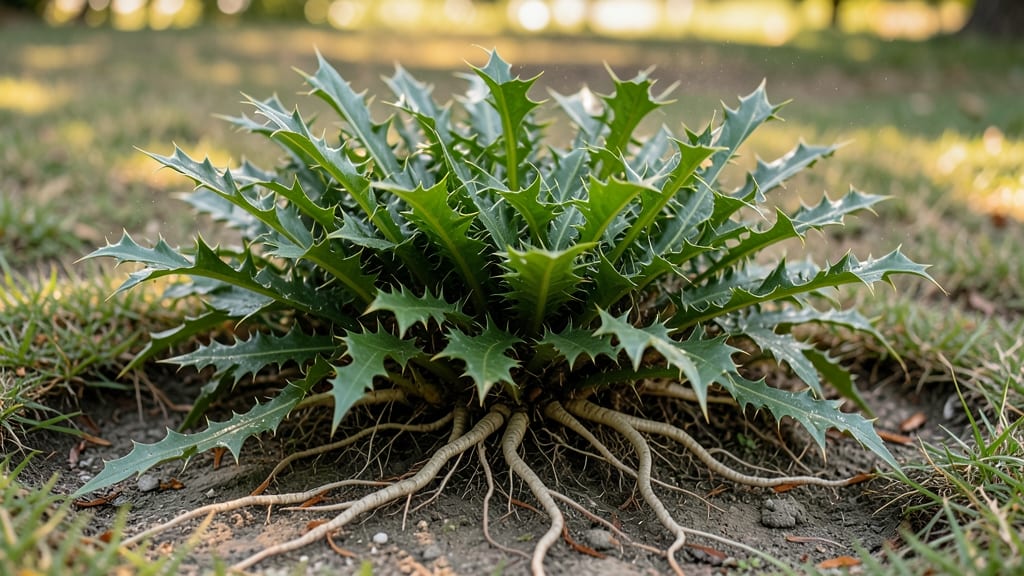
Holly Fern Lawn Invasion Characteristics

If your lawn is overrun with spiky-edged green clumps that look like ornamental ferns but won’t stay contained, you’re likely dealing with holly fern. This aggressive invader thrives in poor soil conditions and spreads through both rhizomes and airborne spores, making it a stubborn challenge for homeowners.
Holly fern’s most distinctive feature is its sharp, holly-like leaf edges, which can make walking barefoot uncomfortable. It forms dense colonies that outcompete grass, especially in shady, compacted, or nutrient-poor areas. Unlike many ferns, it tolerates dry spells once established, making it harder to starve out through drought.
Gardeners in urban lawns or woodland edges will find this fern particularly persistent. The key to control is removing the entire rhizome system—simply cutting fronds encourages more growth. For severe infestations, pre-emergent herbicides in early spring can help break its cycle. 🌿