
Pests
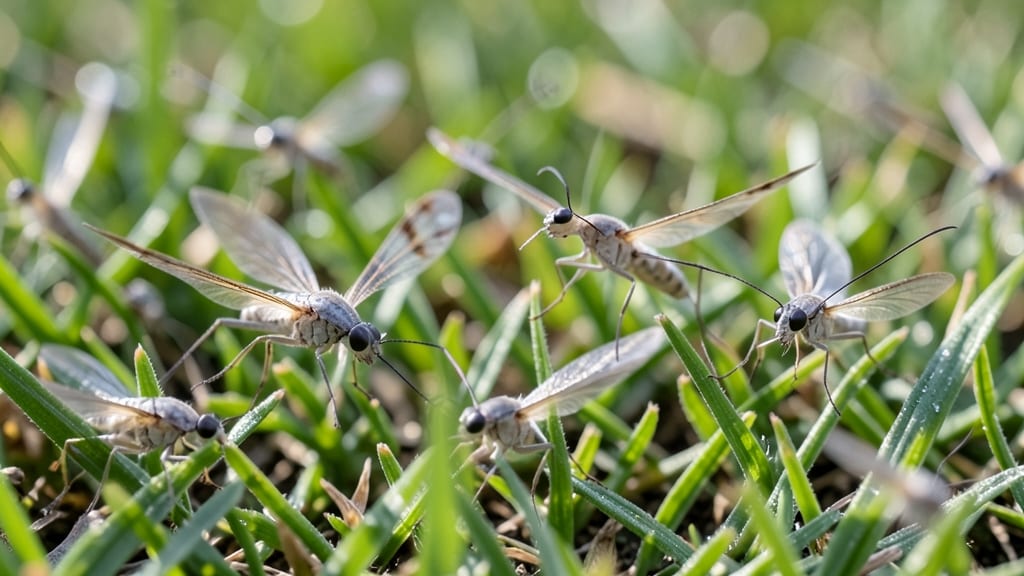
Those tiny small flying bugs in the lawn aren't just annoying—they're usually fungus gnats or midges, and they multiply fast. 🌱 I’ve watched them turn a peaceful yard into a cloud of activity within days, but there’s a simple way to stop them before they take over.
The key is acting fast with natural traps that disrupt their life cycle. A mix of vinegar and dish soap in a shallow container works in hours, drawing them away from your grass. You’ll see results within 24-48 hours if you set traps every 10 feet.
What you’ll end up with is a lawn that stays free of those pesky clouds, with fewer eggs laid in the soil. The traps also keep them from bothering your garden beds and patio gatherings. Works for any yard size and fits into a regular maintenance routine.
Let’s get those buzzing pests under control!
Why Tiny Winged Visitors Invade
Seeing a swarm of small flying bugs darting over your lawn can feel like an unexpected party crashers—except these guests don’t bring gifts, just frustration. But before you reach for the bug spray, understanding why these critters show up is key to kicking them out for good.
Below, we break down the top reasons these tiny fliers descend on your yard, backed by science and actionable insights.
Lawns that stay damp—whether from overwatering, poor drainage, or recent rain—create the perfect nursery for fungus gnats, midges, or mosquito larvae. These bugs thrive in moist, organic-rich soil because their eggs need water to hatch. Think of it like a spa for bugs: warm, wet, and full of nutrients.
Why it happens:
- Excess moisture slows microbial activity, creating anaerobic pockets where larvae can’t be outcompeted by beneficial bacteria.
- Thatch buildup (that spongy layer of dead grass) traps water and organic matter, turning your lawn into a buffet for egg-laying females.
- Decaying plant matter (like fallen leaves or mulch) releases ammonia, which attracts adult flies seeking a place to reproduce.
💡 Pro Tip: Test your soil’s moisture by squeezing a handful—if it stays clumped, it’s too wet. Aim for 1–1.5 inches of water per week (including rain) and improve drainage with sand or compost.
Leaves, grass clippings, and even pet waste left on the lawn act like a five-star restaurant for flying pests. House flies, fruit flies, and soldier flies are drawn to decomposing matter because it’s rich in microbes and sugars they can’t resist.
Why it happens:
- Decomposing material releases volatile organic compounds (VOCs), which signal to flies that food (and breeding sites) are nearby.
- Pet waste (especially dog urine) contains nitrogen, which speeds up microbial growth—perfect for fungus gnat larvae.
- Compost piles (if too close to the lawn) can become a hotspot for drosophila (fruit flies) and other pests.
🔥 Action Step: Rake up debris weekly and compost it in a sealed bin at least 20 feet away from your lawn. For pet areas, flush urine with water and use enzymatic cleaners to break down waste faster.
Small flying bugs like midges, no-see-ums, and gnats time their life cycles to take advantage of warm, humid conditions. When temperatures rise above 60°F (15°C) and humidity climbs, their eggs hatch in 24–48 hours, leading to explosive populations.
Why it happens:
- Heat accelerates metabolism—adult flies mature faster, lay more eggs, and reproduce in 7–14 days instead of weeks.
- Humidity keeps soil moist longer, extending the larval stage and increasing survival rates.
- Stagnant water (from rain puddles or poor drainage) becomes a breeding ground for mosquitoes and fungus gnats.
🌡️ Climate Hack: Use a hose-end sprinkler to lightly water your lawn in the early morning (before 9 AM) to evaporate excess moisture. If your area is prone to humidity, consider dehumidifiers for sheds or garages where bugs might hide.
While fertilizer keeps your grass lush, too much nitrogen can backfire by creating a feast for larvae. Fungus gnats, for example, are often called "sciarid flies" because they’re drawn to nitrogen-rich soil—just like weeds.
Why it happens:
- Excess nitrogen boosts microbial activity, which larvae eat to grow.
- Slow-release fertilizers can keep soil nitrogen levels high for weeks, prolonging the bug cycle.
- Synthetic fertilizers (like urea) break down into ammonia, which attracts adult flies seeking egg-laying sites.
🎯 Smart Fertilizing:
- Use slow-release organic fertilizers (like compost or bone meal) to avoid nitrogen spikes.
- Apply fertilizer in early spring or fall (not summer) to reduce peak bug activity.
- Follow the 3-1-2 rule: 3 parts nitrogen, 1 part phosphorus, 2 parts potassium—never exceed 0.5 lbs of nitrogen per 1,000 sq ft per application.
Now that you know the real reasons behind the invasion, the next step is setting up traps that disrupt their life cycle—without harming your lawn or the planet. Stay tuned!
How to Fix Tiny Flying Pests
Discovering small flying bugs buzzing around your lawn can be frustrating, but the good news is that most infestations are manageable with the right approach. Whether you're dealing with fungus gnats, midges, or other tiny pests, these targeted solutions will help you reclaim your outdoor space—naturally and effectively.
Before taking action, pinpoint the culprit. Tiny flying bugs in lawns often fall into these categories: - Fungus gnats (dark, mosquito-like, near damp soil) - Midge flies (tiny, swarming, often after rain) - Springtails (tiny, wingless but jumpy, in moist areas) - Gnats or no-see-ums (biting, active at dusk)💡 Pro Tip: If the bugs are swarming near standing water or freshly watered areas, moisture is likely the root cause. Adjust your watering habits (see prevention tips below).
For quick results, set up traps to reduce the population fast. Here are the most effective DIY methods: #### 🔥 Apple Cider Vinegar Trap (Best for Fungus Gnats & Midges)Fungus gnats and midges are drawn to the scent of vinegar, making this a simple yet powerful trap.
- 🍎 Mix 1 part apple cider vinegar with 1 part water in a shallow dish or bowl.
- 🧴 Add a few drops of dish soap to break the surface tension, preventing bugs from escaping.
- 🌿 Place traps near problem areas (under trees, near flower beds, or damp soil). Refresh every 2–3 days.
These traps are invisible to pests but deadly to their navigation systems.
- 🎨 Cut yellow cardstock or paper into strips and coat with petroleum jelly or sticky trap glue.
- 🌳 Hang or place traps at ground level in areas where bugs are most active.
- ⏰ Check and replace every 5–7 days for maximum effectiveness.
Fermented liquids attract adult midges—use this to lure them away.
- 🍷 Fill a shallow container with red wine, beer, or even balsamic vinegar.
- 🧴 Add a drop of dish soap to the surface.
- 🌿 Bury the container slightly in the soil or place it near damp areas.
Most tiny flying bugs thrive in damp conditions. Adjust your lawn care routine:
- 💧 Water deeply but less frequently—aim for 1 inch per week (including rain).
- 🪴 Improve drainage around plants, trees, and garden beds by adding sand or compost.
- ✂️ Avoid over-fertilizing with nitrogen—this encourages fungal growth, which attracts fungus gnats.
Microscopic nematodes naturally kill fungus gnat larvae without harming plants.
- 🛒 Purchase beneficial nematodes (like Steinernema feltiae) from garden centers.
- 💦 Apply when soil is moist—water the area first, then spray the nematode solution.
- 🌱 Reapply every 4–6 weeks during peak season (spring/fall).
Ladybugs, lacewings, and birds help control tiny flying pest populations.
- 🐞 Plant pollinator-friendly flowers (like marigolds, dill, or yarrow) to attract ladybugs and lacewings.
- 🐦 Install a birdbath or feeder to welcome insect-eating birds to your yard.
- 🌱 Avoid pesticides—they kill beneficial insects along with pests.
Thick mulch layers trap moisture, creating ideal breeding grounds. Instead:
- 🍂 Use coarse mulch (like pine straw or wood chips) that allows airflow.
- 🪴 Keep mulch 2–3 inches away from plant stems to prevent rot and moisture buildup.
💡 Pro Tip: For organic lawn care, seek a professional with integrated pest management (IPM) expertise—they’ll use targeted, eco-friendly solutions.
Frequently asked questions
Are these tiny flying bugs actually harmful to my lawn?
Most small flying bugs like fungus gnats or midges won't damage your grass directly, but they can become a nuisance. The real concern is their larvae - fungus gnat larvae feed on plant roots and can stress young seedlings or newly planted areas. For healthy lawns, they're more annoying than dangerous, but keeping their numbers down prevents potential root damage.
Why do I see more of these bugs after watering?
Watering triggers their life cycle! When you water, you're creating the perfect conditions for their eggs to hatch. Most tiny flying bugs need moist soil to reproduce - that's why you'll see swarms after rain or irrigation. The solution is to water deeply but less frequently (1 inch per week) and always in the morning so soil dries faster.
Will vinegar traps actually work, or is that just a myth?
Vinegar traps are surprisingly effective! The acidity mimics decaying organic matter that attracts adult flies. For best results, use apple cider vinegar (the scent is stronger) and add dish soap to break surface tension. Place traps near problem areas - you'll see a noticeable reduction in swarms within 3-5 days. Refresh the mixture every 2-3 days for continuous results.
Are there any plants that repel these tiny flying pests?
Yes! Certain plants naturally repel flying bugs through their scent. Basil, mint, lavender, and marigolds are excellent choices. Even catnip works wonders - it contains nepetalactone which disrupts insect navigation systems. Plant these around your lawn's perimeter or in garden beds to create a natural bug barrier. Bonus: They'll also attract beneficial predators like ladybugs!
How long until I see results from beneficial nematodes?
You'll typically see improvement within 7-14 days after application. Beneficial nematodes work by infecting and killing larvae in the soil, which breaks their life cycle. For best results, apply when soil is moist (early morning or evening) and water lightly after application. Reapply every 4-6 weeks during peak seasons for continuous protection against fungus gnats and other soil-dwelling pests.