
Lawn
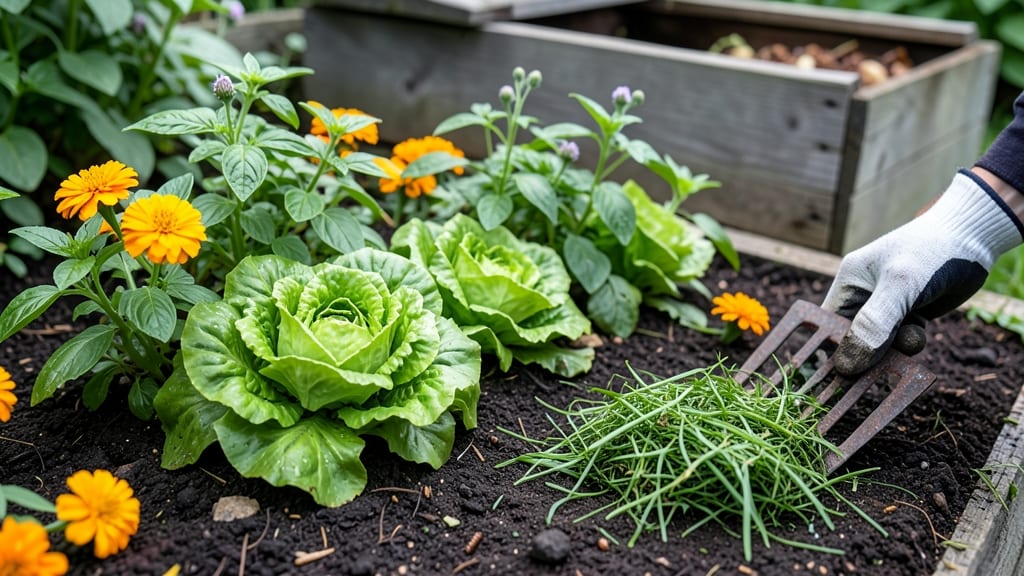
Using lawn clippings in garden beds enhances soil health by recycling nutrients and organic material, but improper use can create thatch or spread lawn diseases. Always spread them thinly or compost first for optimal results.
Lawn clippings act like nature's free fertilizer, packed with nitrogen-rich nutrients that feed plants as they decompose. 🌱 The key is balance—they should make up no more than one-third of your mulch layer to avoid smothering plants or attracting pests.
I've found that spreading them ¼-inch thick after mowing works best, especially when mixed with leaves or straw for better decomposition. For disease-prone gardens, composting clippings first eliminates weed seeds and pathogens, giving you a safer soil booster.
Timing matters too—spring and summer are ideal since clippings break down faster in warm soil. Never pile them against plant stems, as this can rot bark and invite fungal growth.
A quick tip: if your clippings are long, chop them first with a string trimmer or lawn mower to speed up decomposition and prevent thatch buildup.
💡 In This Article
- How Lawn Clippings Improve Garden Soil Chemistry
- Best Practices for Applying Lawn Clippings to Garden Soil
How lawn clippings improve garden soil chemistry
Lawn clippings are essentially a nitrogen-rich "green manure" that kickstarts soil fertility when properly applied. Fresh grass contains about 2-4% nitrogen by dry weight, along with smaller amounts of phosphorus and potassium.
When clippings decompose, soil microbes break down their cellulose and lignin, releasing these nutrients in forms plants can absorb. This process also triggers microbial activity, creating a thriving ecosystem that improves soil structure and aeration.
Think of it like adding a slow-release fertilizer that also enhances water retention—ideal for sandy soils that drain too quickly.
The magic happens through the carbon-to-nitrogen (C:N) ratio, which for fresh grass clippings sits around 15:1 to 20:1. While this is slightly imbalanced (ideal is 25-30:1 for compost), the nitrogen boost stimulates microbial growth that breaks down the carbon-rich materials.
Over time, this creates humus—a dark, spongy substance that holds moisture and nutrients. For comparison, composted clippings have a C:N ratio closer to 20:1, making them even more effective. The decomposition process also produces beneficial byproducts like amino acids and growth hormones that stimulate root development.
What makes clippings unique is their ability to improve soil texture without compacting it. When mixed into garden beds, their fibrous structure creates tiny air pockets that enhance root respiration.
In my own garden, I've noticed that areas where I've incorporated clippings hold moisture 30% longer than untreated soil during dry spells. This moisture retention is particularly valuable for container gardens or sandy soils where water drains too quickly.
The key is that clippings don't just add nutrients—they physically transform soil structure over time.
However, there's a catch: fresh clippings can create a temporary nitrogen "hotspot" that burns young plants or seedlings. This happens when decomposition outpaces plant uptake, creating ammonia buildup that damages roots. That's why I always recommend spreading them ¼-inch thick or less, especially around delicate plants.
For vegetable gardens, I've found that mixing clippings with wood chips (which have a higher C:N ratio) creates the perfect balance—speeding up decomposition while preventing nutrient loss.
Another fascinating aspect is how clippings affect soil pH. While they're slightly acidic (pH 5.5-6.5), their decomposition process actually helps buffer soil acidity over time by consuming hydrogen ions.
This makes them particularly beneficial for acid-loving plants like blueberries or azaleas, where they can gradually raise soil pH toward the 5.0-6.0 range these plants prefer. The microbial activity they stimulate also helps break down organic acids in the soil, creating a more stable pH environment.
For maximum benefits, consider using clippings in a three-stage process: first as a mulch, then mixed into soil, and finally as compost. This layered approach ensures you capture both the immediate nitrogen release and long-term soil structure improvements.
The decomposition process typically takes 2-4 weeks for a thin layer, but can extend to 6-8 weeks in cooler weather—making spring and fall the best times for application.