
Lawn
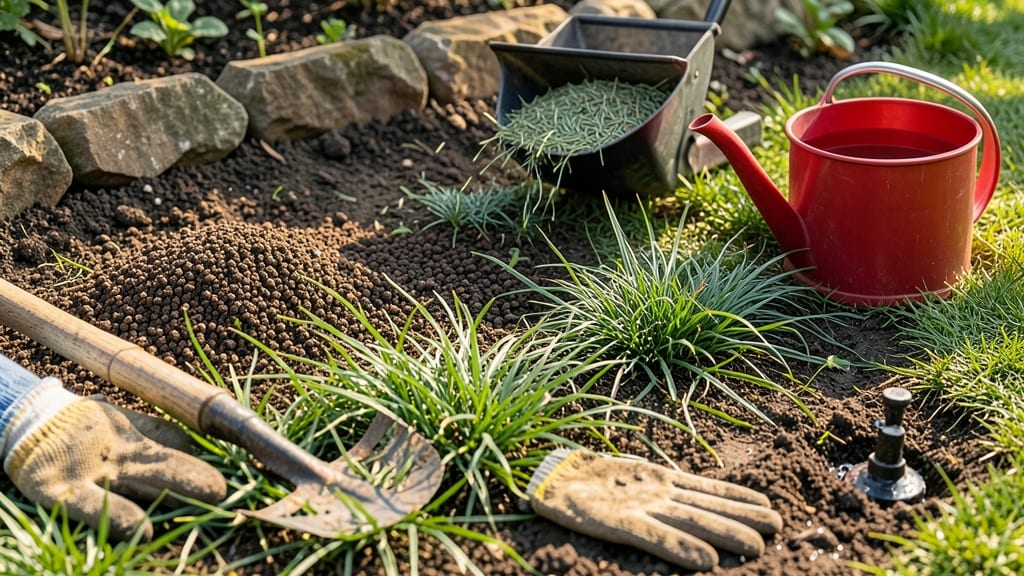
To fertilize and seed your lawn at the right time means choosing between spring and fall for the fastest, most resilient growth 🌱—and the wrong season can leave you with patchy, weak grass.
Spring and fall are your two best windows, but each has its own rules. Cool-season grasses like Kentucky bluegrass or fescue thrive when seeded in early fall, while warm-season Bermuda or Zoysia need the heat of spring.
Get it wrong, and you’re fighting weeds or drought before the roots even take hold.
Here’s the breakdown: when to feed your lawn for maximum root strength, how to prep the soil for seeding success, and why a simple soil test can save you from wasted fertilizer or thin spots.
You’ll learn the exact timing for your zone, the fastest way to prep your lawn, and the one mistake that kills new seed before it germinates—no guesswork, just results.
Optimal fertilizer and seeding timing: spring vs. fall for lawn growth
Choosing the right time to fertilize and seed your lawn can make or break its health. Cool-season grasses like Kentucky bluegrass and fescue thrive with fall fertilization, while warm-season grasses such as Bermuda and Zoysia often need spring feeding.
The key is understanding how temperature, rainfall, and root development interact during these seasons.
Fall is frequently the superior option for cool-season grasses because mild temperatures and increased rainfall encourage deep root growth before winter. Meanwhile, spring seeding can be risky if done too early, as late frosts or drought can stunt new growth.
Let’s break down the pros and cons of each season to help you decide what works best for your lawn.
| Factor | Spring Fertilizing & Seeding | Fall Fertilizing & Seeding |
|---|---|---|
| Best For | Warm-season grasses (Bermuda, Zoysia) | Cool-season grasses (Fescue, Bluegrass) |
| Root Growth | Moderate (summer stress) | Optimal (deep, strong roots) |
| Weed Suppression | Pre-emergent helps early | Superior (cooler temps slow weeds) |
| Rainfall | Variable (drought risk) | Consistent (ideal moisture) |
| Timing Window | March–May (after frost) | August–September (before frost) |
| Fertilizer Type | High-nitrogen (16-4-8) | Balanced (10-10-10 or slow-release) |
For cool-season grasses, fall fertilization is a game-changer. The 60-day window before winter allows grass to absorb nutrients and establish deep roots before dormancy. This translates to 30–50% stronger growth the following spring compared to spring fertilization alone.
In contrast, warm-season grasses benefit from spring feeding to kickstart growth as temperatures rise.
Spring seeding can be tricky because late frosts or heatwaves can stress new seedlings. If you choose spring, aim for late April to early May when soil temperatures are consistently above 55°F.
Fall seeding, however, offers a longer, safer window (August through October) and benefits from cooler temps and fewer weeds competing for resources.
Another critical factor is weed suppression. Fall fertilization suppresses weeds naturally because cooler temperatures slow their growth, while spring applications may require pre-emergent herbicides to keep weeds at bay. If you’re dealing with crabgrass or clover, fall is the smarter choice for long-term control.
Climate plays a huge role in your decision. In northern regions (USDA Zones 3–6), fall is almost always the best time for cool-season grasses. Meanwhile, southern climates (Zones 7–10) may favor spring or even late summer seeding to avoid winter dormancy issues.
Always check your last frost date and adjust accordingly.
If you’re unsure which season suits your lawn, consider soil testing first. A pH of 6.0–7.5 is ideal for most grasses, and fall is the best time to amend soil before planting.
For established lawns, a light spring feeding followed by a heavy fall application often yields the best results year-round.
Remember, the goal isn’t just green grass—it’s a resilient, healthy lawn that can withstand drought, pests, and foot traffic. By aligning your fertilization and seeding with your grass type and climate, you’ll set your lawn up for success in every season.
Step-by-step guide: how to fertilize and seed your lawn at the right time
Timing your lawn fertilization and seeding correctly can transform a patchy, weak lawn into a vibrant, healthy green space. Whether you're in the northern or southern U.S., understanding the right steps ensures your grass gets the nutrients it needs to thrive.
Let’s break down the process from soil prep to post-planting care, with adjustments for your climate.
First, you’ll need to prepare your soil and choose the right fertilizer blend for your grass type. Cool-season grasses like Kentucky bluegrass and fescue benefit most from early fall fertilization, while warm-season grasses like Bermuda or Zoysia need spring feeding. Drought-prone regions may require additional adjustments to conserve moisture.
Step-by-Step Guide
- 1 Test Soil pH and Nutrients: Use a soil test kit to check pH (ideal 6.0–7.5). Amend with lime or sulfur if needed. Northern climates may need extra phosphorus for root growth.
- 2 Choose Fertilizer: Select a slow-release fertilizer (e.g., 16-4-8 NPK) for spring/fall. Southern climates may opt for high-potassium blends to handle heat stress.
- 3 Aerate Soil: Rent a core aerator to loosen compacted soil, especially in high-traffic areas. This improves seed-to-soil contact and water absorption.
- 4 Spread Seed: Use a broadcast spreader for even coverage (5–10 lbs per 1,000 sqft). Lightly rake seeds into soil to ensure contact. Northern regions should seed by mid-September; southern areas by late April.
- 5 Apply Fertilizer: Spread ½ lb per 100 sqft of starter fertilizer after seeding. For established lawns, use 1 lb per 100 sqft in early spring or fall.
- 6 Water Deeply: Keep soil moist (1 inch per week) for 4–6 weeks post-seeding. Water early morning to prevent fungal growth. Drought-prone areas may need drip irrigation for efficiency.
- 7 Mow High: Wait until grass reaches 3–4 inches before first mow. Set mower to 3–4 inches to encourage deep roots and shade out weeds.
After seeding, monitor your lawn closely for the first 6 weeks. Look for even germination and adjust watering if soil dries out too quickly. In northern climates, a light mulch of straw can help retain moisture during cooler fall months.
For southern regions, shade cloth may protect seedlings from intense afternoon sun.
Fertilize again in 6–8 weeks to support root development. Use a low-nitrogen blend in late fall to prepare cool-season grasses for winter. Warm-season grasses in the south may need a final light feeding in early October to harden off before dormancy.
Consistency is key—skipping steps like soil testing or proper watering can lead to weak growth or wasted seed. With the right timing and care, your lawn will reward you with dense, vibrant grass that stands up to foot traffic and weather challenges. 🌱