
Watering
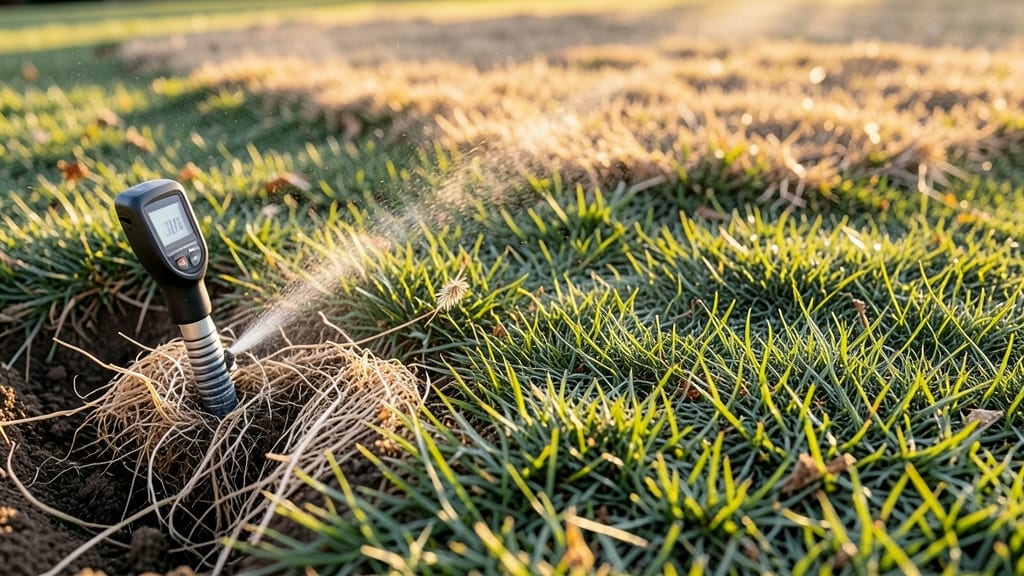
The best drought-tolerant lawn can stay lush and green without drowning in water—this is the secret. 🌱 I’ve transformed my drought-stricken yard into a vibrant, low-water paradise by choosing the right grass and giving roots a fighting chance.
The best drought-tolerant lawns aren’t just about survival; they’re about thriving with minimal effort once established. The key starts with deep soil prep—amending clay or sandy soil to hold moisture like a sponge.
Then, it’s about picking the right grass: Bermuda, Zoysia, or Buffalo grass all handle heat and drought better than Kentucky bluegrass. These varieties go dormant in dry spells but bounce back with a drink, looking better than many thirsty alternatives.
You’ll end up with a lawn that’s soft underfoot, resistant to weeds, and requires half the water of traditional grass. The secret? Deep, infrequent watering (1-1.5 inches per week) encourages roots to grow deep, making them drought-proof. No more brown patches or wasted gallons of water.
Works in USDA Zones 3-10, from deserts to humid climates. Here’s how to make it happen—without sacrificing beauty or comfort.
📚 In This Guide
- What you need
- Instructions
- Tips and common mistakes
- Wrapping up and next steps
What you need
- ● Drought-resistant grass seed: Choose Buffalo grass, Bermuda, or Zoysia (10–15 lbs per 1,000 sq ft).
- ● Topsoil or compost: 2–3 inches (for new lawns) or a thin layer (for overseeding).
- ● Organic mulch: Straw or wood chips (1–2 inches) to retain moisture.
- ● Deep-root fertilizer: Slow-release, drought-specific formula (e.g., Milorganite).
- ● Soil amendments: Gypsum (if soil is clay-heavy) or compost (for sandy soil).
- ○ Drip irrigation system: Soaker hoses or smart timers (optional but highly recommended).
- ● Garden rake (for leveling soil).
- ● Broadcast spreader (for even seed distribution).
- ● Lawn roller (100–150 lbs, for compacting seed).
- ● Pruners or edging shears (for trimming borders).
- ● Gloves, knee pads, and a watering can (for touch-ups).
- ● Soil test kit: Check pH and nutrient levels (available online).
- ● Mulch mower: Recycles clippings into natural fertilizer.
- ● Shade cloth: Protects new seedlings from intense sun.
- ● Mycorrhizal fungi: Boosts root growth (mix into soil pre-planting).
Step-by-Step guide to establishing a thriving drought-tolerant lawn
Here's how to transform your patchy yard into a resilient, water-independent green space that stays lush without a single drop of extra irrigation.
🌱 Step 1: Select and Prepare the Right Grass Seed
Choose a deep-rooted drought-tolerant grass blend like tall fescue or buffalo grass—these varieties thrive with minimal water once established. I always test soil pH first (aim for 6.0-7.0) because alkaline soil stresses roots and makes drought survival nearly impossible. Amend with composted organic matter to improve moisture retention and microbial activity.
Spread seed at 4-6 pounds per 1,000 sq ft using a broadcast spreader for even coverage. Lightly rake to ensure seed-to-soil contact—this prevents seed from blowing away during your first watering. Here's the thing: don't cover seeds with more than ¼ inch of soil; deeper burial suffocates germination. I mark seed rows with a stick if I'm working alone to avoid overlapping areas.
💧 Step 2: Water Strategically During Establishment
Water immediately after seeding, then maintain constant soil moisture for the first 10-14 days—this is critical for root development. Use a light sprinkler or soaker hose to apply ¼ inch of water daily (check with a rain gauge). You'll know it's right when the top 1 inch of soil stays damp but not soggy.
After germination (when 50% of seeds sprout), shift to deep, infrequent watering—this trains roots to grow downward. Water 1-2 inches deep every 3-4 days in the first month, then gradually extend intervals to 7-10 days once the lawn reaches 3 inches tall. The goal is to encourage deep roots that access moisture from lower soil layers.
☀️ Step 3: Mow High and Adjust Maintenance for Drought Resistance
Wait to mow until grass reaches 3-4 inches tall, then set your mower to 3-4 inches—taller grass shades soil, reducing evaporation and outcompeting weeds. I always mow when grass is dry to prevent clumping, and never remove more than ⅓ of the blade height in one session. This rule prevents stress that makes lawns more vulnerable to drought.
Skip fertilizing during the first year—new roots need energy to establish, not leaf growth. Instead, apply compost top dressing in spring and fall to improve soil structure. You'll see the difference within months: a lawn that stays green through heatwaves while neighbors struggle to keep theirs alive with sprinklers.
✂️ Step 4: Overseed and Strengthen Over Time
In early fall, overseed bare spots with the same drought-tolerant blend. Fall is ideal because cooler temperatures and higher humidity give seeds the best chance to establish before winter. Water as before—daily for 10 days, then taper to deep weekly waterings once new growth appears.
By year two, your lawn should require no supplemental watering beyond natural rainfall. The key is patience: deep roots take time to develop, but once they do, you'll have a lush, self-sustaining carpet that thrives on zero irrigation. Real talk: the first summer is the hardest, but after that, you'll wonder why you ever watered at all.
Tips & tricks for perfect drought-tolerant lawn establishment
These game-changing strategies will help you create a lawn that thrives without constant watering—once you get past the initial hurdles.
Soil Preparation Secret: Before seeding, I recommend testing soil compaction—dense soil prevents roots from growing deep. Rent a core aerator or use a garden fork to create ½-inch holes every 6 inches in compacted areas. This mimics natural root channels and dramatically improves water penetration. The extra effort in Step 1 pays off when your lawn reaches that self-sustaining second year.
Watering Precision: The 10-14 day constant moisture window in Step 2 is non-negotiable, but timing matters just as much. Water in the early morning (5-8 AM) to maximize absorption and minimize evaporation. I set a timer for 20 minutes per zone using a rain gauge to verify the ¼ inch measurement—this prevents both under- and over-watering that can kill seedlings.
Mowing Technique: When your lawn reaches 3-4 inches in Step 3, resist the urge to cut lower for quick results. The ⅓ rule (never remove more than ⅓ of blade height) prevents shock that makes grass more vulnerable to drought. I use a mulching mower to return clippings to the soil—this adds 0.1% nitrogen per mowing without needing fertilizer, giving your roots a natural boost.
Fall Overseeding Strategy: For Step 4, I recommend using a slit seeder instead of a broadcast spreader when overseeding—it creates precise furrows that hold seeds in direct soil contact. After seeding, I cover the area with straw mulch (¼ inch thick) to protect seeds from birds and retain moisture during the critical 10-day establishment period. This simple step cuts down on seed loss by up to 40%.
Pro Tips for Best Drought Tolerant Lawn
- These game-changing strategies will help you create a lawn that thrives without constant watering—once you get past the initial hurdles.
- Soil Preparation Secret: Before seeding, I recommend testing soil compaction—dense soil prevents roots from growing deep.
- Watering Precision: The 10-14 day constant moisture window in Step 2 is non-negotiable, but timing matters just as much.
Frequently asked questions
Got questions about creating a drought-tolerant lawn? You’re not alone!
Here are answers to the most common concerns—so you can keep your grass green without wasting water.
How hot can my drought-tolerant lawn handle before it turns brown?
A well-established drought-tolerant lawn (like buffalograss or tall fescue blends) can survive weeks of 100°F+ heat without turning brown—if planted correctly. However, extreme heat (110°F+) may cause temporary browning, but roots stay alive. Water deeply once every 2-3 weeks during peak summer to revive it.
How long does it take for a drought-tolerant lawn to fully establish?
Most drought-resistant grasses take 3–6 months to root deeply, but full drought tolerance kicks in after 12–18 months. During this time, water lightly 2–3 times per week to encourage root growth. Patience pays off—once established, these grasses thrive with 50% less water than traditional lawns!
Can I mix drought-tolerant grass with regular grass for a transition?
Yes! Overseed your existing lawn with 10–20% drought-tolerant grass (like fine fescue or zoysia) to ease the transition. Use a starter fertilizer to help new seeds compete. After 2–3 years, you’ll have a hybrid lawn that’s both resilient and familiar.
Will my drought-tolerant lawn need any water at all?
Even the hardiest grasses need minimal water—about 1 inch every 3–4 weeks during dry spells. Deep, infrequent watering (early morning) encourages deep roots. No water? Some grasses (like buffalograss) go dormant but bounce back when rains return. Just avoid shallow, frequent watering—it wastes H₂O and promotes weak roots!
Are drought-tolerant lawns more prone to pests or weeds?
Not necessarily! Drought-resistant grasses like tall fescue or bermudagrass are naturally pest-resistant, but overwatering can attract grubs or fungus. Weeds thrive in thin lawns, so mow high (3–4 inches) and fertilize lightly to crowd them out. Pre-emergent herbicides (applied in early spring) help too.
What’s the best drought-tolerant grass for my climate?
Your best bet depends on your region:
- Cool climates (North): Tall fescue, fine fescue, or creeping red fescue
- Hot/dry (South/West): Zoysia, buffalograss, or drought-tolerant bermudagrass
- Transition zones: Kentucky bluegrass blends with fine fescue
Wrapping up and next steps
A drought-tolerant lawn isn’t just a survival tactic—it’s a game-changer for sustainability, savings, and curb appeal. 🌱 By choosing the right grasses, deep-rooting techniques, and smart watering habits, you can transform your yard into a resilient, lush oasis without wasting water.
The key? Start small, stay consistent, and let nature do the heavy lifting.
Ready to take the plunge? Pick one tip from this guide and test it this weekend! Whether it’s overseeding with drought-resistant grass or adjusting your sprinkler schedule, every step counts. Your future self—and the planet—will thank you! 💧✨