
Lawn
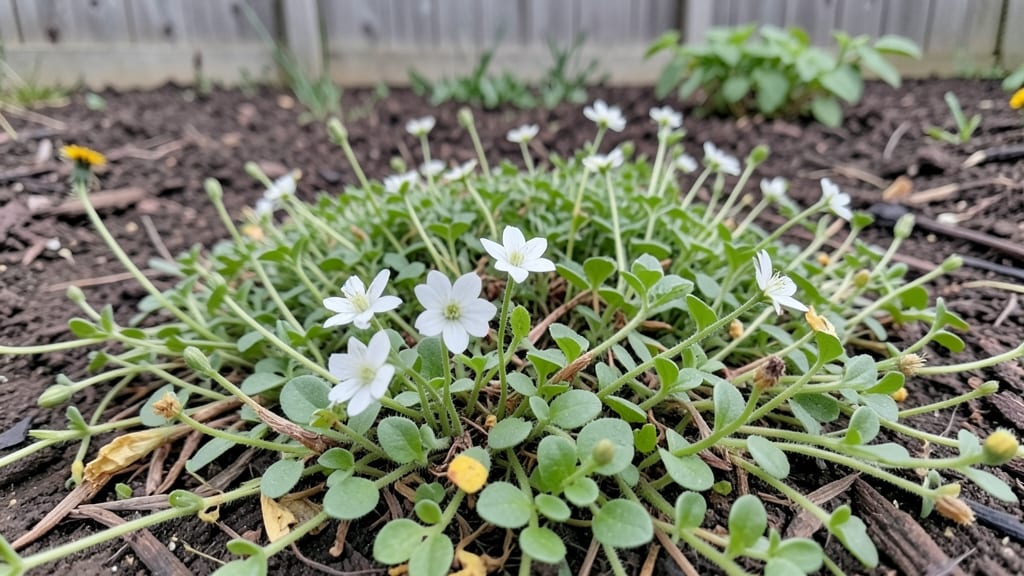
Here are chickweed in lawn pictures that reveal how this delicate weed can turn your yard into a patchwork of tiny green stars—until you learn to spot the difference from clover or moss. and decided whether to pull it or let it stay.
The key is recognizing those tiny, oval leaves and the way it sprawls low to the ground, often in damp spots.
This guide shows you exactly what chickweed looks like in your lawn—before, during, and after removal—so you can make the call: yank it for a pristine look or embrace it as a natural ground cover in shady areas.
I’ll share how to distinguish it from other weeds and when it might actually be a low-maintenance asset. No more guessing what’s ruining your yard’s uniformity.
By the end, you’ll spot chickweed in seconds and choose the right approach: pull it for a clean lawn, or let it thrive where grass struggles.
The pictures alone will help you decide whether it’s a nuisance or a sneaky solution for thin patches. Let’s get your lawn looking intentional again.
Whether you’re dealing with a small patch or a full lawn takeover, this method works for all seasons—just don’t wait until summer heat to tackle it. Chickweed spreads fast, but so do the fixes once you know what you’re dealing with.
Why Chickweed Invades Lawns
Chickweed—those delicate, sprawling green weeds with tiny star-shaped flowers—can turn a lush lawn into a patchy, overgrown mess. But why does it keep showing up? The answer lies in a mix of environmental conditions, lawn health, and even human habits.
Understanding these causes is the first step to stopping chickweed before it spreads. Let’s break down the science behind its persistence.
Chickweed thrives in soil that’s compacted, nutrient-poor, or overly moist. Unlike grass, which needs well-draining, fertile soil to establish strong roots, chickweed adapts to stress. Here’s how soil problems invite it:
- Compacted Soil:
Heavy foot traffic, machinery, or clay-heavy soil compresses the top layer, reducing oxygen and water penetration. Chickweed’s shallow roots love this environment because it’s easier for them to spread horizontally than compete with deep-rooted grass.
- Low Nutrient Levels:
If your lawn lacks nitrogen, phosphorus, or organic matter, grass struggles to grow thickly. Chickweed fills the gaps because it’s a fast-growing annual that doesn’t need rich soil to sprout. A soil test can reveal deficiencies—aim for levels of 30-50 ppm nitrogen and balanced pH (6.0–7.0) to discourage it.
- Excess Moisture or Shade:
Chickweed germinates best in cool, damp conditions, especially in shaded or low-lying areas where grass wilts. Overwatering or poor drainage keeps the soil perpetually moist, giving chickweed a head start. Actionable fix: Improve drainage with sand or gypsum and mow taller grass (3–4 inches) to shade out weeds naturally.
Chickweed isn’t just a random weed—it’s a cool-season opportunist. Its lifecycle is tightly linked to temperature and moisture cycles:
| Season | Why Chickweed Takes Over | How to Counter It |
|---|---|---|
| Fall | Cooler temps (50–70°F) trigger germination. Seeds lie dormant in summer but sprout when soil moisture rises after rain. | Apply pre-emergent herbicide in early fall (like corn gluten meal) to block seeds. |
| Spring | Melting snow or heavy spring rains create ideal moisture for seedlings. Weak grass from winter stress can’t compete. | Overseed bare spots with cool-season grass (e.g., fescue or ryegrass) to outcompete weeds. |
| Winter | Mature chickweed survives light frosts and even thrives under snow, resuming growth as soon as temps rise. | Hand-pull or spot-treat with vinegar-based herbicides before spring. |
Pro Tip: 🌡️ Chickweed hates heat—it bolts and dies in summer (60°F+). Use this to your advantage by letting it exhaust itself before pulling it out in early fall.
Chickweed doesn’t just appear—it exploits gaps left by lazy lawn care. Here’s how common mistakes invite it:
- Thin or Patchy Grass:
Bare soil is an open invitation. Grass that’s under-mowed, over-fertilized, or diseased leaves room for chickweed to take root. Aim for 70–80% grass coverage to starve weeds.
- Improper Mowing Height:
Cutting grass too short (below 2.5 inches) stresses it, while letting it grow too tall (over 4 inches) shades the soil—both scenarios favor chickweed. Sweet spot: 3–4 inches for most lawns.
- Ignoring Thatch Buildup:
A thatch layer thicker than ½ inch blocks water and nutrients, weakening grass. Chickweed seeds germinate right on top of thatch, where grass can’t reach. Fix: Dethatch in early fall with a rake or vertical mower.
- Overuse of Herbicides:
Broadleaf herbicides (like 2,4-D) can kill chickweed but often harm grass too, creating more bare spots. Solution: Use selective post-emergent herbicides (e.g., triclopyr) or manual removal for small patches.
Chickweed isn’t just a soil or weather problem—it’s also a physical invader. Here’s how human activity spreads it:
- Walking or Playing on Lawns:
Compacted paths or pet play areas create high-pressure zones where grass recovers slowly. Chickweed seeds, carried by wind or animals, land in these disturbed spots and germinate quickly.
- Pet Waste and Urine:
Dog urine is high in nitrogen, which can burn grass but also stimulate chickweed growth in nearby areas. Always dilute pet waste with water and avoid letting pets frequent the same spots repeatedly.
- Wind and Water Spread:
Chickweed seeds are tiny and light, hitching rides on wind, rain, or even lawn equipment. If your neighbor’s lawn has chickweed, it’s likely spreading to yours via these vectors.
Pro Tip: 🚫 Don’t rake leaves or grass clippings into piles—this concentrates chickweed seeds. Instead, spread them thinly or compost them away from your lawn.
Quick Fixes for Chickweed Overgrowth
Seeing that tiny, sprawling green take over your lawn? Chickweed might be the culprit—and the good news is, you can tackle it with the right approach.
Below, we break down the most effective solutions based on why chickweed thrives in your yard, plus simple steps to prevent it from coming back. Let’s get your lawn back to lush and weed-free! 🌱🔥
If your lawn has a light chickweed infestation, pulling it by hand is the fastest and most eco-friendly fix. This method works best in cool, damp weather when the soil is soft and weeds are easier to extract.
👨🍳 Step-by-Step Pulling Guide
- 🌱 Choose the right time: Early morning or late afternoon (when chickweed is hydrated but not wilted). Avoid pulling on hot days—it stresses the plant and you!
- 🧤 Wear gloves: Chickweed can irritate skin, especially if you’re sensitive to its mild acidity. Grab a pair of gardening gloves to protect your hands.
- 🔪 Grab and tug: Use your fingers or a weeding tool to grasp the base of the chickweed (where the roots meet the soil). Pull upward and outward to avoid breaking the stem—this ensures you remove the entire root system.
- 🌡️ Check for regrowth: If you spot any tiny green shoots after pulling, dig deeper or repeat the process. Chickweed is persistent!
- 🗑️ Dispose properly: Don’t compost chickweed—it can regrow. Toss it in the trash or use it as mulch away from your lawn.
✨ Pro Tip: For stubborn patches, soak the area with water 30 minutes before pulling. This loosens the soil and makes extraction easier!
If chickweed has spread aggressively or you’re dealing with a large lawn, targeted herbicides can speed up removal. Opt for selective or non-selective options based on your grass type.
💡 Choosing the Right Herbicide
| Herbicide Type | Best For | How to Apply |
|---|---|---|
| Pre-emergent herbicides (e.g., corn gluten meal) | Preventing chickweed before it sprouts (apply in early spring). | Spread evenly over the lawn in dry conditions. Water lightly afterward. |
| Post-emergent herbicides (e.g., vinegar-based or glyphosate) | Killing existing chickweed (use on non-lawn areas or spot-treat). | Spray directly on chickweed (avoid healthy grass). Reapply in 7–10 days if needed. |
| Natural options (e.g., boiling water, salt vinegar mix) | Small patches or eco-conscious gardeners. | Pour boiling water or a 1:1 vinegar-water mix onto chickweed. Repeat weekly for 2–3 weeks. |
⚠️ Warning: Avoid glyphosate (e.g., Roundup) on lawns with desirable grass—it kills everything! Stick to selective herbicides labeled for broadleaf weeds in turf.
Once you’ve removed chickweed, keep it from returning with these proactive strategies. Healthy lawns are the best defense!
🎯 Lawn Care Habits to Prevent Regrowth
- 💪 Mow high: Set your mower to 3–4 inches. Taller grass shades the soil, reducing chickweed seeds’ ability to germinate.
- 🌧️ Water deeply but less often: Chickweed thrives in moist, compacted soil. Water lawns 1–1.5 inches per week (including rainfall) and let the topsoil dry slightly between waterings.
- 🌿 Overseed bare spots: Fill thin areas with dense, competitive grass (e.g., tall fescue or perennial ryegrass) to outcompete weeds.
- 🍂 Rake and aerate: Remove thatch and aerate annually to improve soil drainage and reduce chickweed-friendly conditions.
- 🌱 Apply a pre-emergent: In early spring, spread corn gluten meal or a pre-emergent herbicide to block chickweed seeds.
💡 Bonus Tip: Chickweed loves disturbed soil. Avoid excessive foot traffic or construction in your lawn—this creates the perfect entry point for weeds!
If chickweed keeps returning despite your efforts, your lawn might need a deeper fix. Consider hiring a lawn care professional to assess:
- Soil pH imbalances (chickweed prefers acidic or compacted soil).
- Underlying drainage issues.
- Grass type compatibility (some grasses resist weeds better than others).
A pro can also recommend customized treatments tailored to your yard’s specific challenges.
Frequently asked questions
What does chickweed look like in lawn pictures?
Chickweed has small, oval-shaped leaves with jagged edges arranged in pairs along its stems, creating a delicate, star-like pattern. The plants sprawl low to the ground, often forming dense mats in shady or damp areas. Look for tiny white or pink star-shaped flowers in spring—this is a key identifier!
How can I tell the difference between chickweed and clover in my lawn?
Clover has trifoliate (three-leaf) clusters and grows upright, while chickweed has paired oval leaves and sprawls flat. Chickweed also lacks the white or pink flower clusters that clover develops. Run your finger over the leaves—chickweed feels softer and more delicate than clover’s thicker stems.
Is chickweed bad for my lawn?
Chickweed isn’t inherently "bad," but it can indicate poor lawn health. While it doesn’t harm grass directly, its spread suggests compacted soil, excess moisture, or thin grass coverage. However, some gardeners embrace it as a natural ground cover in shaded areas where grass struggles to grow.
Can I use vinegar to kill chickweed in my lawn?
Yes, but with caution! A 1:1 vinegar-water mix works well for spot treatments, but avoid spraying healthy grass—vinegar will kill it too. For large areas, use a 20% acetic acid solution and apply on a dry, sunny day. Reapply weekly for stubborn patches. Always test a small area first!
Why does chickweed keep coming back after I remove it?
Chickweed spreads through tiny seeds that lie dormant in soil for years. If you don’t address the underlying issues—like compacted soil, poor drainage, or thin grass—new plants will sprout. Focus on improving soil health, overseeding bare spots, and applying pre-emergent herbicides in early spring.