
Lawn
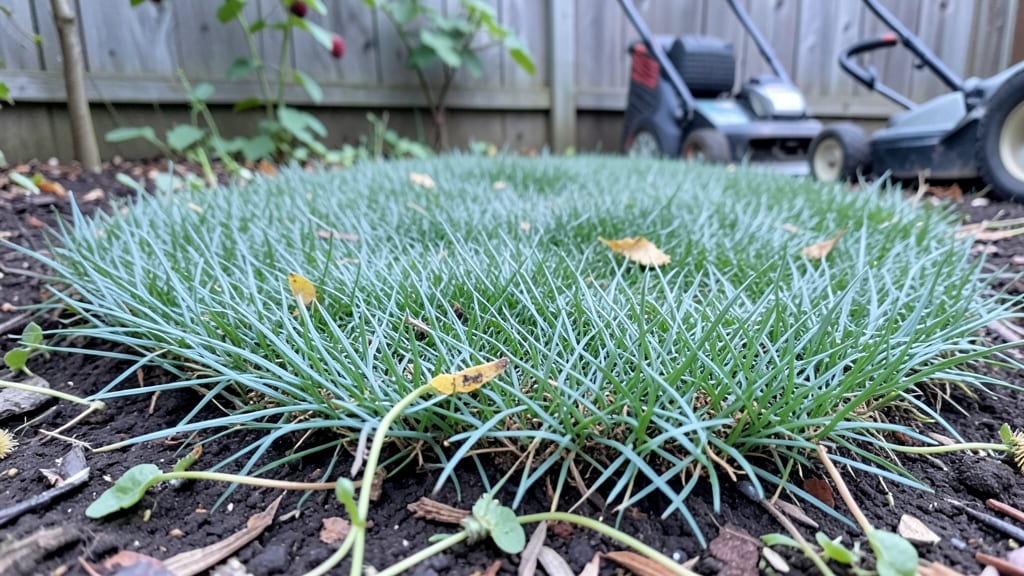
Achieving clean cut lawns isn’t just about mowing—it’s about transforming your yard into a sharp, striped masterpiece that makes neighbors do a double-take. I spent years perfecting this look, and the secret isn’t just the right mower—it’s the technique that turns ordinary grass into a high-end landscape feature.
The tools make all the difference: a self-propelled mower with a deck height adjustment (set to 2.5–3 inches for striped perfection), a rolling lawn marker to guide your turns, and a sharp blade (dull blades tear grass, not cut it cleanly).
Most people overlook the blade—until their lawn looks ragged instead of crisp. Once you’ve got these basics, the rest is about timing and patience.
You’ll end up with bold stripes that catch the light, a surface so smooth it feels like velvet underfoot, and a yard that looks professionally landscaped without the price tag.
The best part? This method works for small suburban lawns or sprawling country acres—adjust your mowing pattern to fit your space. Ready to make your grass the envy of the block?
Here’s where it gets interesting—seasonal tweaks keep those stripes sharp year-round. Spring and fall demand more frequent mowing (every 5–7 days) to stay ahead of growth, while summer slows things down.
And if you’ve got shady spots or clay soil, we’ll cover how to adapt without sacrificing that clean-cut look. Let’s get started.
📚 In This Guide
- What you need
- Instructions
- Tips and common mistakes
- Wrapping up and next steps
What you need
- ● Lawn Mower: Self-propelled or walk-behind mower with adjustable cutting height (1–4 inches, depending on grass type).
- ● Striper kit (for walk-behind mowers) or a mulching or bagging deck (for cleaner cuts).
- ● Sharp Mower Blades: 2–3 blades, 1/16-inch thick, made of high-carbon steel (replace if dull or chipped).
- ○ Striper Wheels (Optional but Helpful): 2–4 wheels designed to create parallel grooves for striped patterns.
- ● Edge Trimmer: 1 unit with adjustable height and a sharp steel blade (not string trimmer).
- ● Rake or Dethatcher: 1–2 units (bendable or stiff-tine) to remove debris and loosen soil for even cuts.
- ○ String Line or Laser Guide (Optional): For perfectly straight stripes on large yards.
- ● Lubricant: 1 can of synthetic or mineral oil for mower blades and moving parts.
- ● Fuel (Gas Mowers): 5–10 gallons of unleaded gasoline (87+ octane) mixed with 2-cycle oil (if required).
- ● Battery (Electric Mowers): 1 fully charged lithium-ion battery (or charger if needed).
- ○ Lawn Sweeper (Optional): To collect clippings and debris after mowing.
- ● Gloves & Safety Gear: 1 pair of cut-resistant gloves and safety goggles.
- ● Weather: Mow on dry, cool mornings (avoid midday heat or wet grass).
- ● Grass Height: Never cut more than ⅓ of the grass blade at once (ideal: 2.5–3.5 inches for most grasses).
- ● Soil Prep: Lightly aerate or dethatch if soil is compacted or thatchy.
- ● Mower Maintenance: Sharpen blades and check tire pressure for even cutting.
Step-by-step instructions for achieving precision striped lawn perfection
Here’s how to transform your lawn into a crisp, professional-grade striped masterpiece—no green thumb required.
Prepare Your Lawn for Cutting
Mow your lawn 24 hours before attempting stripes to ensure the grass is dry and upright. Wet grass clings to the mower deck, ruining clean lines. Walk the entire yard first to spot debris—remove rocks, twigs, or pet toys that could snag your mower blades or leave unsightly marks in the grass.
Adjust your mower’s cutting height to your lawn’s ideal setting (usually 2.5 to 3.5 inches for most grasses). Lower heights create finer stripes but stress the grass, while taller settings produce bolder patterns. Test a small section first to confirm the height works for your grass type and desired look.
Master the Mowing Technique
Start mowing perpendicular to your desired stripe direction—this creates the foundation for clean, parallel lines. For classic striped lawns, work in 12- to 18-inch-wide swaths, overlapping slightly to avoid missed patches. Keep a consistent speed (about 3 to 4 mph) to maintain even pressure on the mower deck.
Here’s the key: lift the mower’s front wheels slightly as you finish each pass, then lower them as you begin the next. This creates a slight angle that drags the grass in one direction, sharpening the stripe definition. Repeat every 3 to 4 passes to reinforce the pattern. Avoid turning the mower while cutting—always pivot at the edges to prevent uneven lines.
Refine the Stripes for Professional Finish
After completing your first set of passes, rotate the mower 90 degrees and make a second cut parallel to the initial direction. This cross-hatching step tightens the stripes and removes any fuzziness from the first pass. For extra definition, use a lawn roller (filled with water or sand) after mowing to compress the grass slightly—this darkens the stripes and enhances contrast.
Walk the lawn again to check for missed spots or uneven patches. If you see gaps, make a final light pass with the mower set to its highest setting to blend the areas seamlessly. Avoid over-mowing in one spot, as this can thin the grass and create bare patches. For large yards, work in sections to maintain consistency across the entire lawn.
Maintain Your Striped Lawn
Water your lawn deeply but infrequently—1 to 1.5 inches per week—to encourage deep root growth and uniform grass density. Shallow watering leads to weak, patchy grass that won’t hold stripes well. Mow regularly (every 5 to 7 days in growing season) to prevent grass from growing too long, which dulls stripe definition.
Adjust your mowing pattern every few weeks to prevent soil compaction in one direction. Rotate the stripe direction slightly (e.g., shift from north-south to northeast-southwest) to keep the grass growing evenly. Fertilize 2 to 3 times per year with a slow-release, nitrogen-rich formula to maintain vibrant, striped-perfect grass.
Tips & tricks for precision striped lawns
Mastering the art of striped lawns takes practice, but these refined techniques will help you achieve that showstopping, professional finish every time.
Timing is Everything: The 24-hour advance mow isn't just about dry grass—it's about giving your lawn time to stand upright after the initial cut. This creates the perfect foundation for crisp stripes. I've learned the hard way that rushing this step leads to grass that flops over during mowing, ruining your clean lines. Think of it as prepping a canvas before painting your masterpiece.
Mowing Technique Refinement: When you're working in those 12- to 18-inch-wide swaths in Step 2, imagine you're painting vertical stripes on a wall. The wheel lift technique creates that signature drag effect that defines professional striped lawns. Start with just a slight lift—about 1/4 inch—and adjust as needed. Too much lift creates uneven patterns, while too little won't give you that sharp definition. Practice on a small section first to find your sweet spot.
Equipment Optimization: Your mower's cutting height makes all the difference in stripe visibility. For most grasses, I recommend starting at 3 inches—this gives you that perfect balance between bold stripes and healthy grass. Remember, lower heights create finer stripes but require more frequent mowing. Also, consider upgrading to a mower with adjustable deck height if yours doesn't have it—this flexibility is worth the investment for lawn perfection.
Maintenance Consistency: The 1 to 1.5 inches of water per week isn't just about keeping grass alive—it's about creating uniform density that holds stripes beautifully. I've found that watering in the early morning allows the grass to dry completely by mowing time, which is crucial for clean cuts. And that 5 to 7-day mowing schedule? It's not just about length—it's about maintaining that crisp, striped appearance that makes your lawn the envy of the neighborhood.
Pro Tips for Clean Cut Lawns
- Mastering the art of striped lawns takes practice, but these refined techniques will help you achieve that showstopping, professional finish every time.
- Timing is Everything: The 24-hour advance mow isn't just about dry grass—it's about giving your lawn time to stand upright after the initial cut.
- Mowing Technique Refinement: When you're working in those 12- to 18-inch-wide swaths in Step 2, imagine you're painting vertical stripes on a wall.
Frequently asked questions
Got questions about achieving clean cut lawns with precision striped perfection?
You’re not alone! Here are answers to the most common queries—from timing to troubleshooting—so you can master the art of a flawless lawn.
How often should I mow to keep my lawn looking clean cut?
For a clean cut lawn, aim to mow every 5–7 days during peak growing seasons (spring and summer). Never remove more than one-third of the grass blade at once—this keeps it healthy and encourages dense growth. Adjust frequency based on your grass type and local climate.
What’s the best time of day to mow for striped patterns?
Mow when the grass is dry but dew-covered (early morning) for the cleanest cuts and sharpest stripes. Avoid midday heat—it stresses the grass. Pro tip: Mow against the grain first, then follow up with a pass along the grain to define stripes crisply.
Why do my stripes disappear after mowing?
Stripes fade due to uneven wheel pressure, dull blades, or inconsistent mowing patterns. Sharpen your blade regularly (every 25–50 hours of use) and use a roller mower for crisp lines. Also, ensure your mower’s wheels are aligned—wobbling disrupts the pattern.
Are striped lawns more expensive to maintain?
Not necessarily! The extra effort comes from precision mowing (time and technique), not materials. A self-propelled mower or lawn tractor with a roller can save time. Budget for sharp blades ($20–$50/year) and occasional repairs, but the payoff is a showstopper yard.
Can I achieve stripes with a push mower?
Push mowers (especially reel mowers) excel at stripes if you mow slowly and deliberately. Use a guided pattern (like a chalk line) for straight edges. Reel mowers require frequent sharpening but deliver hospital-thin precision—perfect for small to medium lawns.
Should I mow in winter for a clean cut look?
Nope! Stop mowing in late fall (when grass growth slows) and resume in early spring. Winter mowing weakens grass roots and invites weeds. Instead, rake leaves and aerate in fall to prep for spring stripes.
Still stumped? Drop your lawn care questions in the comments—we’ve got you covered!
Wrapping up and next steps
A perfectly clean-cut lawn isn’t just about aesthetics—it’s a testament to your dedication and the pride you take in your outdoor space. 🌿 Whether you’re mastering precision stripes, troubleshooting common challenges, or choosing the right tools, every step brings you closer to a yard that’s the envy of the neighborhood.
Ready to roll up your sleeves? Grab your mower, pick a sunny day, and start transforming your lawn today—one stripe at a time! For extra flair, experiment with patterns or share your progress with fellow lawn enthusiasts. Your future showcase-worthy yard awaits!