
Lawn
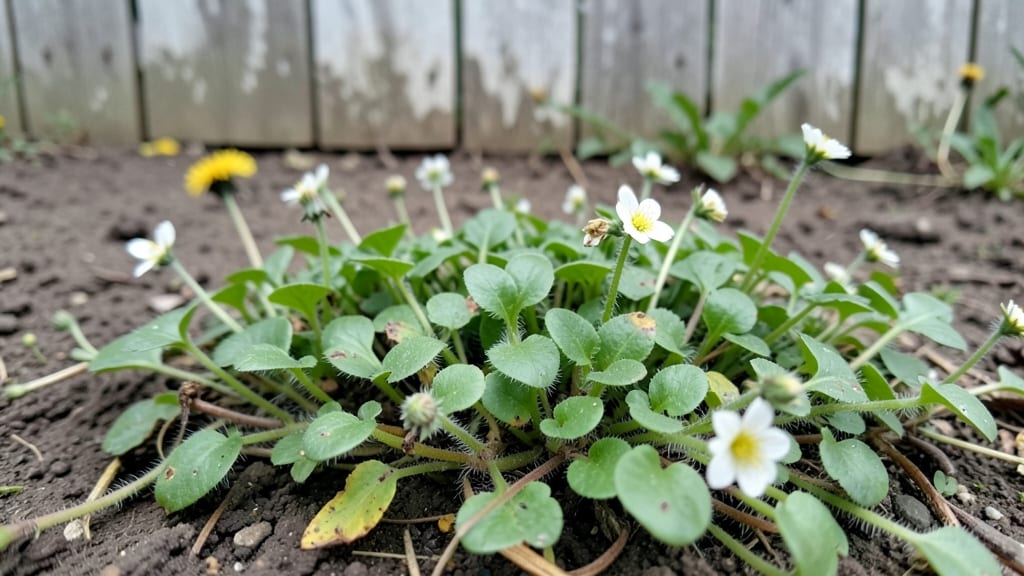
Common lawn chickweed turns your grass into a soft, green carpet—until it doesn’t. 🌱 That velvety ground cover might look harmless, but it crowds out grass, robs nutrients from your lawn, and spreads faster than you can say "spring cleanup."
I've wrestled with it for years, and here's how to reclaim your yard without resorting to harsh chemicals or scalpel-sharp blades.
The real culprit isn’t just chickweed itself—it’s thin grass and compacted soil that give weeds an open invitation. Chickweed thrives in cool, moist conditions, so it explodes in early spring and fall when your lawn is still recovering from winter or summer stress.
The good news? Healthy grass is the best weed blocker. We’re talking thick, dense turf that leaves no room for chickweed to take root.
You’ll learn how to pull it by the roots without tearing up your grass, when to tackle it for maximum results, and which lawn care habits actually prevent it from coming back.
By the end, your lawn will look lush and green—not just to the eye, but because the grass is actually winning the battle against weeds. Here’s how to make that happen.
We’ll cover the best times to act (spoiler: early morning is your friend), what tools work best, and why your neighbor’s "quick fix" spray might be doing more harm than good. Even better, these methods keep your lawn—and the critters living in it—safe from collateral damage. Let’s get started.
Why Weeds Take Over Grass
If your lawn is slowly turning into a patchwork of common lawn chickweed (also called Stellaria media), you’re not alone. This hardy weed thrives in conditions that many grass types struggle with, and understanding its behavior is the first step to reclaiming your yard.
Below, we break down the key reasons why this persistent plant invades lawns—and how to address them.
Chickweed is a soil opportunist, meaning it flourishes when grass roots are weak or soil health is lacking. Here’s why:
- Compacted or clay-heavy soil restricts water and oxygen flow, suffocating grass while chickweed’s shallow roots thrive in moist, dense environments.
- Low organic matter means fewer nutrients for grass, leaving bare spots where chickweed seeds germinate easily. Chickweed grows best in soils with high nitrogen availability but low competition—exactly what weak grass provides.
- pH imbalances (especially acidic soil, pH < 6.0) inhibit grass growth but don’t bother chickweed. A soil test can reveal if your lawn’s pH is hospitable to weeds.
Actionable fix: Aerate compacted soil in fall, amend with compost (2–3 inches), and test pH annually. Aim for a neutral to slightly alkaline pH (6.0–7.0) to favor grass over chickweed.
Chickweed is a cool-season weed that loves partial shade and damp conditions—two things many lawn grasses (like Bermuda or Zoysia) despise. Here’s the breakdown:
- Low sunlight: Grass needs 4–6 hours of direct sun daily to photosynthesize. Chickweed tolerates 20–50% shade, making it dominant under trees or in north-facing yards.
- Overwatering or poor drainage: Chickweed thrives in consistently moist soil, while grass roots rot in waterlogged conditions. Even light, frequent watering (e.g., daily sprinklers) encourages chickweed.
- Winter and spring slump: Cool, wet springs (like those in Pacific Northwest or Midwest regions) give chickweed a head start before grass recovers.
Actionable fix:
- Thin tree canopies to improve sunlight (or choose shade-tolerant grass like Fine Fescue).
- Water deeply 2–3 times per week (early morning) instead of daily light doses. Let soil dry between waterings.
- Install French drains or sand top-dressing in low spots to improve drainage.
Chickweed doesn’t just appear—it exploits gaps created by poor lawn maintenance. Common oversights include:
- Skipping mowing: Tall grass shades soil, but chickweed seeds need light to germinate. Mowing too short (below 2 inches) stresses grass, leaving openings.
- Over-fertilizing with nitrogen: Chickweed responds aggressively to high nitrogen, while grass may burn or grow unevenly. Slow-release, balanced fertilizers (10-10-10 or 12-4-8) reduce its advantage.
- Ignoring thatch buildup: A thatch layer > ½ inch thick blocks water and nutrients, weakening grass. Chickweed roots penetrate thatch easily.
- Late-season weed control: Chickweed germinates in fall and spring. Waiting until summer to treat it gives it a full growing season to spread.
Actionable fix:
- Mow at 3–4 inches to crowd out weeds and improve grass density.
- Apply pre-emergent herbicides (like corn gluten meal) in early fall to block chickweed seeds.
- Dethatch in early spring if layer exceeds ½ inch, then overseed with a dense, competitive grass mix.
Chickweed isn’t just a lawn issue—it’s a pest and wildlife magnet. Birds, deer, and even squirrels eat and disperse its seeds, while insects (like slugs) chew grass but leave chickweed untouched. Here’s how:
- Animal activity: Chickweed seeds stick to fur, shoes, and tires. A single deer or bird can deposit thousands of seeds in a season.
- Slug and snail damage: These pests avoid chickweed (it’s slightly toxic to them) but devour grass, creating bare patches where chickweed moves in.
- Human foot traffic: Walking on wet grass compacts soil, while seeds from shoes or tools introduce new colonies.
Actionable fix:
- Use iron-based slug baits (like Sluggo) to protect grass without harming chickweed.
- Install deer fencing (8 feet tall) if local wildlife is a recurring issue.
- Disinfect tools and shoes with a 10% bleach solution after moving between yards.
Eradicating Weeds Without Wrecking Grass
Now that you understand why common lawn weeds like chickweed take over, let’s tackle the humane removal methods that protect your grass while keeping your yard lush. Below, we’ve mapped practical solutions to each root cause—plus prevention tips to stop future invasions.
Cause: Chickweed thrives where grass struggles to compete. Solution:
- 🔥 Mow High & Often – Set your mower to 3–4 inches to shade out weeds and strengthen grass roots.
- 🍳 Overseed Bare Patches – Fill thin spots with cool-season grass seed (like Kentucky bluegrass or fescue) in early fall for best results.
- 👨🍳 Boost Soil Health – Spread compost or a slow-release fertilizer (10-10-10) to help grass outcompete weeds naturally.
💡 Pro Tip: Water deeply 1–2 times per week (1 inch total) to encourage deep grass roots—chickweed can’t survive in thick turf!
Cause: Chickweed loves damp, shady spots—perfect for lawns with poor drainage. Solution:
- ⏰ Adjust Watering – Reduce frequency to 2–3 times per week (early morning only) to let soil dry between waterings.
- 🔪 Improve Drainage – Aerate compacted soil in fall to help water drain faster. Core aeration (removing small plugs) works best.
- 🌡️ Choose Shade-Tolerant Grass – If your lawn stays damp, switch to fine fescue or creeping red fescue, which handle moisture better than Kentucky bluegrass.
✨ Prevention Hack: Install a French drain or swales (shallow trenches) in low spots to redirect water away from problem areas.
Cause: Chickweed pops up where soil lacks nutrients or has a high pH (alkaline). Solution:
- 📊 Test Your Soil – Grab a DIY soil test kit (or send a sample to your local extension office) to check pH and nutrient levels.
- 🥗 Acidify Alkaline Soil – If pH is above 7.0, apply sulfur or peat moss to lower it gradually (aim for 6.0–7.0).
- 🍎 Feed the Grass, Not the Weeds – Use a slow-release, organic fertilizer (like milk-fed bone meal) in early spring to strengthen grass before chickweed germinates.
🎯 Long-Term Fix: Add 2–3 inches of compost in fall to improve soil structure and fertility over time.
Cause: Chickweed spreads via seeds and runners—physical removal can work if done early and correctly. Solution:
- 🔪 Pull When Soil is Wet – Grab weeds at the base (where the taproot meets the soil) to avoid breaking off pieces. Morning is best—soil is damp but not muddy.
- 🧹 Bag & Dispose – Never compost pulled chickweed—it can reseed! Toss it in the trash or burn it (if local laws allow).
- 🌱 Fill the Gap – After pulling, reseeds the bare spot with grass seed or a mulch of straw to block sunlight for new weeds.
💡 Pro Tip: Use a hand weeder or dandelion digger for stubborn roots—it’s more effective than just yanking!
- 🌿 Mow Regularly – Never let grass grow taller than 4 inches, or chickweed will take over.
- 🍂 Fall Fertilization – Apply a winterizer fertilizer (high in potassium) in late summer/early fall to harden grass before chickweed germinates.
- 🌡️ Pre-Emergent Barrier – In early spring, use a corn gluten meal (natural pre-emergent) to smother weed seeds before they sprout.
- 🌱 Plant a Living Mulch – Mix in clover or creeping thyme between grass blades—they shade soil and crowd out chickweed.
Final Reminder: Chickweed is a soft-stemmed annual, meaning it dies in frost. Stay proactive in spring and fall when it’s most active, and your lawn will stay thick and weed-free! 🚀
Frequently asked questions
How do I tell chickweed apart from clover or other ground covers?
Chickweed has tiny, opposite leaves (paired along the stem) and delicate, branching stems that form a mat. Unlike clover (which has three leaflets), chickweed leaves are oval-shaped and smooth. It also produces tiny white flowers on long stems. If you crush a leaf, chickweed has a slightly sticky juice—clover doesn’t.
Is chickweed harmful to my grass or pets?
Chickweed isn’t toxic to pets or humans, but it competes aggressively with grass for nutrients and water. While dogs can munch on it without harm, its rapid spread weakens lawns by blocking sunlight and moisture. The real risk is thatch buildup from dead chickweed mats, which smothers grass roots if left unchecked.
Can I use vinegar to kill chickweed without damaging grass?
Vinegar (20–30% acetic acid) can kill chickweed, but it’s risky near grass. Spot-treat only bare soil or dense chickweed patches—never on healthy grass. For grassy areas, mix 1 part vinegar + 3 parts water and apply early morning on a dry day. Test a small area first, as vinegar can burn grass if overused.
Why does chickweed keep coming back after I pull it?
Chickweed spreads via thousands of tiny seeds and stolons (runners). If you leave even a 1-inch root fragment in the soil, it regrows. Always pull early in the season (spring/fall) when plants are young, and bag the debris—never compost it. For stubborn patches, smother with cardboard + mulch to block sunlight.
What’s the best time of year to tackle chickweed?
Attack chickweed in early spring (March–April) or fall (September–October) when soil is moist but not muddy. Avoid summer—chickweed goes dormant in heat. For pre-emergent control, apply corn gluten meal in late winter to prevent seeds from germinating. Post-emergent herbicides (like vinegar or clove oil spray) work best in cool, damp conditions.