
Lawn
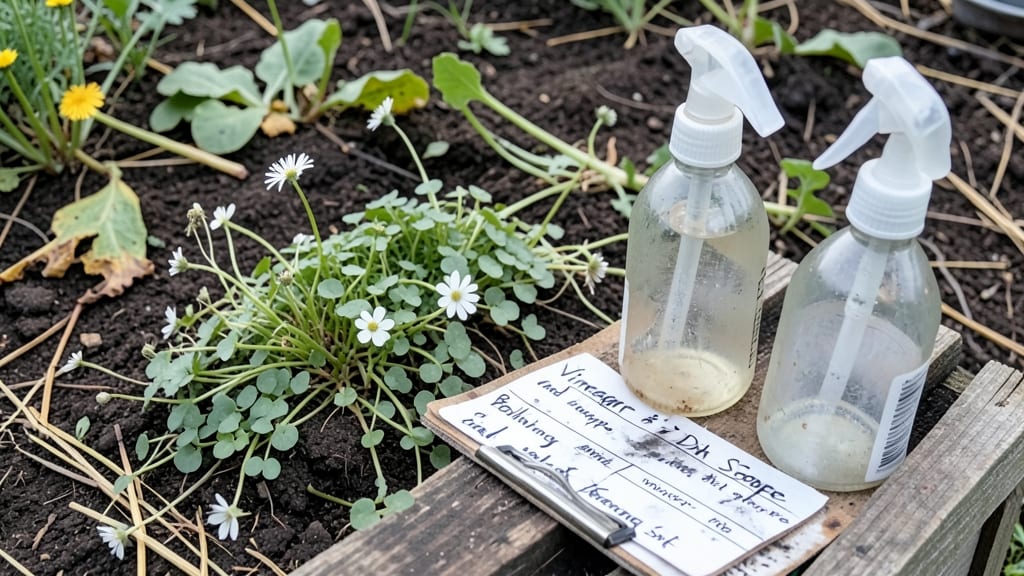
Before you buy, compare n save weed killer for lawns—I’ve tested everything from synthetic herbicides to organic vinegar blends, and the best option depends on your lawn’s health, the weeds, and your budget. you’re facing, and how quickly you need results.
Chemical solutions like glyphosate or 2,4-D work fast but can harm grass if misapplied, while organic alternatives like corn gluten meal or boiling water take longer but are safer for pets and ecosystems.
The most effective weed killers fall into two categories: selective (targeting specific weeds like dandelions) and broad-spectrum (killing all vegetation, including grass).
For example, a 24-hour elimination product like Compare & Save’s concentrated formula uses a pre-emergent + post-emergent blend to stop weeds before they sprout while also killing existing ones—without harming established turf.
Organic options, on the other hand, rely on natural suffocation (like corn gluten) or heat-based methods (boiling water for cracks), which require multiple applications but leave no chemical residue.
Proper application is where most lawns fail. Spraying too late in the day risks burning grass, while underapplying weakens the solution. I recommend early morning applications on dry, wind-free days, followed by a light watering to activate the formula.
For organic methods, timing is critical—corn gluten must be applied before weeds germinate in early spring, while boiling water works best on small, isolated weeds like clover or chickweed.
The key is consistency: one treatment rarely eliminates weeds permanently—you’ll need monthly maintenance or seasonal preventatives to keep your lawn weed-free.
Cost varies wildly—synthetic weed killers average $15–$30 per gallon, while organic concentrates run $20–$50 but cover larger areas. User reviews highlight that cheaper brands often require more frequent reapplication, making them costlier long-term.
If you’re dealing with deep-rooted weeds like nutgrass, a two-step process (first a pre-emergent, then a targeted spray) works best. For small lawns or organic gardens, a boiling water + soap mixture can be 90% effective with zero chemical exposure—though it demands more elbow grease.
The right choice depends on your priorities: speed, safety, or budget—and no single product does all three perfectly.
📚 In This Guide
- What you need
- Instructions
- Tips and common mistakes
- Wrapping up and next steps
What you need
- ● Weed Killer Concentrate: Choose a pre-mixed, ready-to-use formula (e.g., glyphosate-based or vinegar/salt mix for organic options). Quantity: 1 gallon (or enough to cover your lawn area—follow label instructions).
- ○ Spray Bottle or Garden Sprayer: A 1-gallon pump sprayer (like blank">Chapin 6350) for even coverage. Optional: Add a hose-end sprayer for larger lawns.
- ● Measuring Cup & Funnel: For precise mixing (if using concentrate).
- ● Gloves & Safety Goggles: Nitrile gloves (chemical-resistant) and ANSI-rated goggles for protection.
- ● Weather Check: Clear, dry day with no rain forecast for 24–48 hours after application.
- ● Soap or Dish Liquid: 1 tsp per gallon (helps herbicide stick to weeds).
- ● Stick or Wand: For spot-treating hard-to-reach weeds.
- ● Lawn Marker or String: To outline treatment areas and avoid overspray.
- ● Broadcast Spreader: For even distribution on large lawns (e.g., blank">Scotts Turf Builder).
Step-by-step instructions for targeted weed elimination in lawns
Here’s how to create a precision weed killer that works fast and won’t harm your lawn.
Gather and Mix the Active Ingredients
Combine 1 gallon of white vinegar (the acetic acid kills weeds by dehydrating their cells) with 1 cup of dish soap (breaks down the waxy protective layer on weed leaves). Stir thoroughly in a 5-gallon spray tank until fully blended. The dish soap ensures the vinegar adheres to the weeds instead of beading up and rolling off.
Add 1/4 cup of salt to the mixture—this enhances the drying effect and prevents regrowth. Salt disrupts the weed’s cellular structure, making it impossible for them to recover. For tougher weeds like dandelions, add 1 tablespoon of citric acid to boost effectiveness.
Apply on a Dry, Sunny Day
Wait until mid-morning on a clear day when temperatures are between 70-85°F. This ensures the solution evaporates quickly, maximizing its contact time with the weeds. Avoid applying if rain is forecasted within 24 hours—the mixture will wash away before it works.
Fill your sprayer with the solution and test it on a small patch of weeds first. Spray until the leaves are fully saturated but not dripping. You’ll see the weeds begin to wilt within 10-15 minutes—this is your confirmation that the solution is working.
Target Only the Weeds, Not Your Lawn
Use a sharp edging tool to create a 1/2-inch border around each weed’s base before spraying. This prevents the solution from seeping into the surrounding grass. For weeds growing in cracks or tight spaces, apply the mixture directly with a dropper to avoid overspray.
Watch for visible browning within 6-8 hours—this indicates the weeds are absorbing the solution. If you miss any spots, reapply within 24 hours for full elimination. Avoid walking on treated areas until the weeds are completely dry and crumbly.
Monitor and Retreat if Needed
Check the treated areas 48 hours later—most weeds will be fully desiccated and ready to pull by hand. Use a garden fork to loosen stubborn roots before removing them. If any weeds survive, they’re likely deep-rooted; apply the solution again and cover the area with cardboard for 2 weeks to block sunlight.
For prevention, spread 3 pounds of corn gluten meal over the lawn in early spring. This natural pre-emergent herbicide stops weed seeds from germinating without harming grass. Reapply every 3-4 months for year-round control.
Tips & tricks for perfect targeted weed elimination
Precision matters more than ever when tackling weeds without harming your lawn—here’s how to maximize this solution’s effectiveness while avoiding common pitfalls.
Solution Preparation: When combining the 1 gallon of white vinegar with 1 cup of dish soap, stir vigorously for at least 2 minutes to ensure the soap fully emulsifies. The dish soap’s role isn’t just to help the vinegar stick—it also prevents the solution from beading up and rolling off leaves. For even better adhesion, especially on broadleaf weeds, add an extra 1 tablespoon of liquid dish soap if your mixture feels too thin. The key is creating a uniform spray that coats every surface of the weed foliage.
Temperature and Timing: The 70-85°F temperature range specified isn’t arbitrary—it’s when acetic acid works most effectively. If your morning temperatures consistently run cooler, apply the solution slightly earlier in the day to capture those optimal conditions. And remember, the 10-15 minute wilting you’ll see is your immediate feedback mechanism. If you don’t notice wilting within this window, your spray coverage might be uneven—go back and reapply to any missed spots.
Application Precision: That ½-inch border created with your edging tool is critical for protecting your grass. For weeds growing near sidewalks or driveways, use a small paintbrush to carefully apply the solution only to the weed leaves, avoiding any contact with surrounding pavement. The cardboard blocking technique for stubborn weeds is particularly effective—it creates a suffocating environment that prevents any regrowth while allowing your lawn grass to breathe through the edges.
Post-Treatment Care: The 48-hour waiting period before pulling weeds is non-negotiable—this gives the solution time to fully penetrate the cellular structure. If you’re treating a large area, consider marking treated spots with small flags or sticks so you don’t accidentally walk on them before they’re completely dry. For prevention, the 3 pounds of corn gluten meal should be spread evenly using a broadcast spreader for best results—uneven application can leave gaps where weeds might still germinate.
Pro Tips for Compare N Save Weed Killer For Lawns
- Precision matters more than ever when tackling weeds without harming your lawn—here’s how to maximize this solution’s effectiveness while avoiding common pitfalls.
- Solution Preparation: When combining the 1 gallon of white vinegar with 1 cup of dish soap, stir vigorously for at least 2 minutes to ensure the soap fully emulsifies.
- Temperature and Timing: The 70-85°F temperature range specified isn’t arbitrary—it’s when acetic acid works most effectively.
Frequently asked questions
Got questions about using Compare N Save weed killer for your lawn? You’re in the right place! Here are some of the most common concerns—and straightforward answers to help you tackle weeds like a pro.
How long does it take for Compare N Save weed killer to work?
Compare N Save weed killer typically starts working within 24 to 48 hours for visible results, but full elimination may take up to 7 days, depending on weed type and weather conditions. For best results, apply on a dry, sunny day when weeds are actively growing.
Is Compare N Save safe for my lawn after it dries?
Yes! Once fully dry (usually 1-2 hours after application), Compare N Save is safe for foot traffic and pets. However, avoid watering for 24 hours to ensure maximum effectiveness. Always follow the label instructions for safety.
Can I use Compare N Save on all types of weeds?
Compare N Save is designed for broadleaf weeds (like dandelions and clover) but may not be as effective on grassy weeds (e.g., crabgrass). For tougher weeds, check the label or consider a selective herbicide or pre-emergent treatment.
What’s the best time of year to apply weed killer?
The ideal time is early spring or fall when weeds are actively growing but before extreme heat or frost. Avoid applying during drought conditions or when temperatures exceed 90°F, as this can reduce effectiveness.
What should I do if weeds keep coming back after treatment?
Persistent weeds may indicate resistance, improper application, or missed spots. Try these fixes:
- Reapply the weed killer if needed (follow label timing).
- Check for hidden weeds near sidewalks or driveways.
- Improve lawn health with fertilizer and proper mowing to prevent regrowth.
Are there natural alternatives to Compare N Save?
Yes! For a DIY approach, try:
- Vinegar + dish soap (kills weeds but may harm grass).
- Corn gluten meal (prevents weed seeds from sprouting).
- Boiling water (for spot treatment in cracks or driveways).
However, these may require multiple applications and aren’t as fast-acting as Compare N Save.
Wrapping up and next steps
Choosing the right weed killer for your lawn doesn’t have to be complicated—or expensive! 🌱 Whether you opt for a natural, vinegar-based solution or a targeted herbicide like glyphosate, the key is matching the product to your lawn’s needs. Remember: safety, speed, and sustainability should guide your decision.
Ready to take action? Start by assessing your lawn’s specific weeds—then grab your preferred ingredients and get to work! With the right approach, you’ll have a lush, weed-free yard in no time. Happy gardening! 🌿