
Vegetables
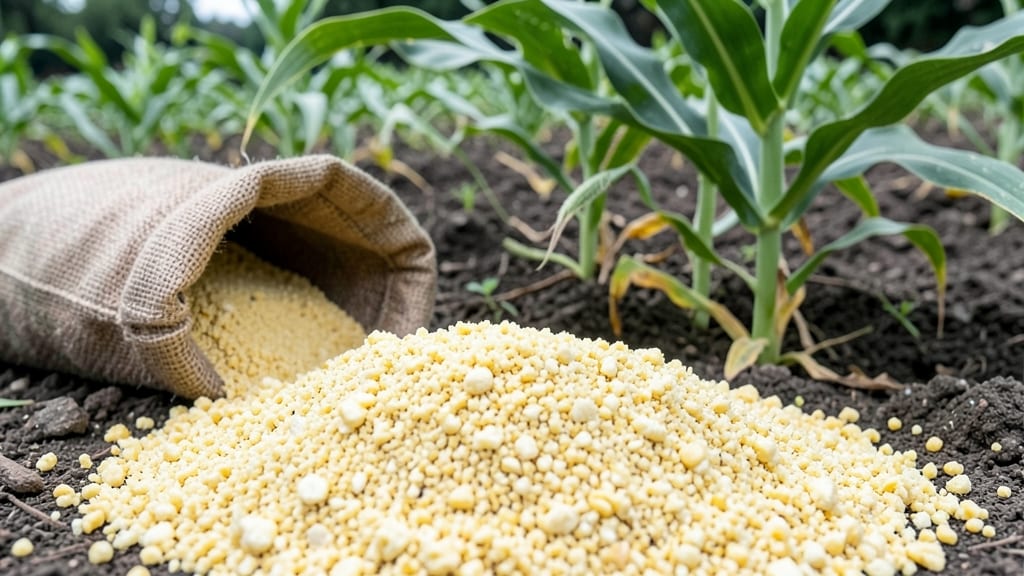
Using cornmeal for grass creates a natural weed barrier by stopping weed seeds from sprouting while keeping your lawn safe and healthy. Spread 10-20 pounds per 1,000 sq ft in early spring or fall, then reapply after rain or mowing.
Cornmeal works because its starches create a physical shield that blocks moisture and oxygen—two things weed seeds desperately need to sprout. 🌱 Unlike harsh chemicals, it breaks down naturally in the soil, leaving no residue.
This makes it a smart choice for organic lawn care, especially if you're trying to avoid synthetic herbicides while still keeping weeds at bay.
For best results, apply it when weed seeds are most active—typically in early spring or fall. A broadcast spreader helps distribute it evenly, but even hand-spreading works if you're careful. Pair it with overseeding or mulching to strengthen your grass's natural defenses against weeds.
💡 In This Article
- How Cornmeal Prevents Weed Seeds from Germinating
- Best Application Tips for Cornmeal in Lawn Care
How cornmeal prevents weed seeds from germinating
Cornmeal disrupts weed growth primarily through its unique physical and chemical properties. The fine, powdery texture coats weed seeds, creating a barrier that physically blocks essential moisture and oxygen—critical elements for germination.
When applied as a thin layer (1/4 inch thick), it forms a temporary crust that prevents water from reaching seeds buried just 1/8 inch below the surface, where most weeds lie dormant. 🌱 This effect is similar to how mulch suppresses weeds, but cornmeal works faster due to its fine particle size.
The mild acidity of cornmeal (pH 6.0-6.5) also plays a role by altering seed dormancy hormones. Weed seeds rely on gibberellins—plant hormones that trigger sprouting—when conditions are right. Cornmeal's acidity slightly inhibits these hormones, delaying or preventing germination entirely.
Studies show this effect lasts 4-6 weeks under normal conditions, making it effective for early-season weed control when seeds are most vulnerable.
Unlike synthetic pre-emergents that rely on toxic chemicals like pendimethalin, cornmeal works through mechanical and biological processes. It doesn't kill existing weeds or grass but prevents new ones from starting—a key advantage for organic lawn care.
The biodegradable nature of cornmeal means it breaks down completely within 2-4 weeks, leaving no harmful residues. This makes it safer for pets, children, and beneficial soil organisms compared to chemical alternatives.
For maximum effectiveness, apply cornmeal when soil temperatures are 50-60°F—the ideal range for weed seed activation. This typically aligns with early spring or fall in most climates. The 10-20 pounds per 1,000 sq ft recommendation ensures full coverage while avoiding compaction.
Unlike chemical herbicides, cornmeal won't harm established grass because it doesn't contain active ingredients that disrupt plant metabolism.
One limitation to consider: cornmeal works best on bare soil or thin turf. Thick grass canopies may block its effectiveness, requiring additional maintenance like overseeding. For comparison, synthetic pre-emergents like prodiamine provide 3-4 months of protection but require careful handling and leave chemical residues.
Cornmeal's short-term effectiveness is offset by its safety and eco-friendliness, making it ideal for organic lawn systems. 🌿
Think of cornmeal as nature's version of a seed germination "time bomb"—it doesn't explode with chemicals but creates conditions where weed seeds simply can't wake up. This gentle approach aligns perfectly with regenerative lawn care practices that prioritize soil health over chemical interventions.