
Lawn
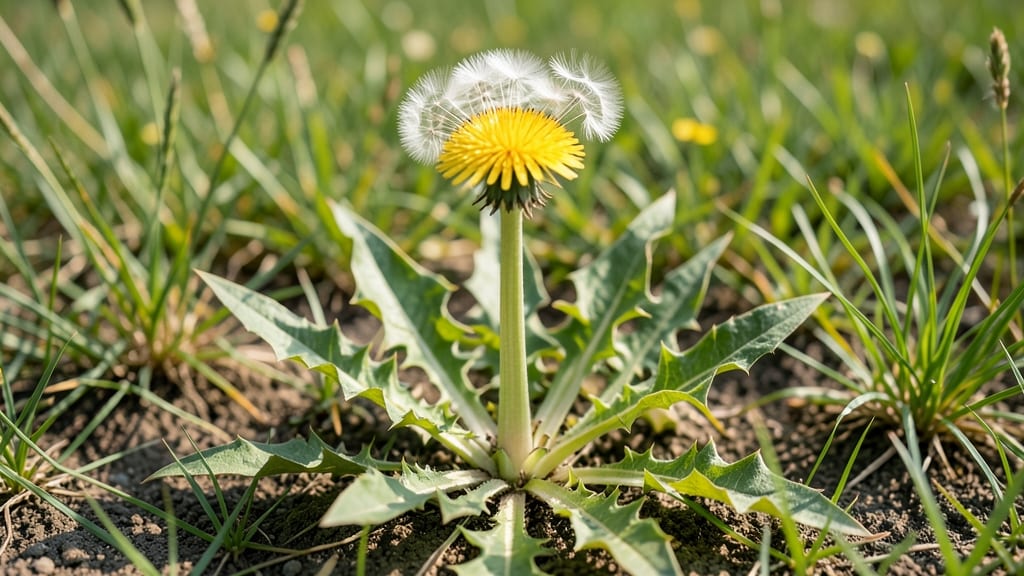
Those white puffy seeds drifting across your lawn are dandelions' way of saying "game over" for your grass—unless you act now. 🌱 I've spent years battling these tenacious weeds, and I've perfected a method that removes them without harming your grass or the bees that love them.
The secret lies in timing and technique: pull when the soil is moist, grasp the root firmly, and check for leftover pieces (they regrow fast). For stubborn patches, a spot treatment of vinegar or corn gluten meal works—just avoid overspraying your grass.
You'll see fewer seeds next spring, and your lawn will thicken naturally as the dandelions disappear. The best part? You're not just eliminating weeds—you're creating a healthier ecosystem that still supports pollinators. Dandelions aren't all bad—they're edible, medicinal, and early spring food for bees.
Here's how to remove them without losing their benefits completely.
📚 In This Guide
- What you need
- Instructions
- Tips and common mistakes
- Wrapping up and next steps
What you need
- ● Hand weeder or dandelion digger (1-2) – Look for a sturdy, long-handled tool with a forked tip for precision removal.
- ● Garden gloves (1 pair) – Heavy-duty, waterproof gloves to protect your hands from prickles and dirt.
- ● Sharp garden knife or hori-hori knife (1) – For slicing through deep taproots if needed.
- ● Pruners or shears (1) – To trim seed heads before they release spores.
- ● Lawn rake or dethatcher (1) – Helps loosen soil and remove debris after pulling weeds.
- ● Bucket or trash bag (1) – For collecting weeds and seeds (seal tightly to prevent reseeding!).
- ○ Organic mulch or compost (optional) – To suppress regrowth and nourish your lawn.
- ● Dry, calm weather – Pulling weeds after rain can damage grass roots.
- ● Clear day – Avoid working in direct sunlight to prevent dehydration.
- ● Lawn moisture check – Lightly tug a patch of grass; if it resists, wait for a rain or water it slightly.
- ● Patience & persistence – Dandelions are tough, but consistency wins!
- ● Vinegar spray (20% acetic acid) – For spot-treating stubborn dandelions (test on a small grass area first!).
- ● Corn gluten meal – A natural pre-emergent to prevent future dandelion seeds from sprouting.
- ● Knee pad or cushion – Because crawling on hard ground isn’t fun!
- ● Magnifying glass – For spotting tiny seedlings before they become a problem.
Precision removal of dandelion white puffy seeds without harming grass
Here’s how to eliminate dandelions cleanly—keeping your lawn healthy and seed-free.
🌱 Step 1: Identify and Target the Dandelion’s Weak Points
Dandelions thrive because they spread easily, but their shallow roots and taproot structure make them surprisingly vulnerable. Focus on the white puffy seed heads first—they’re the fastest way to stop new plants from popping up. Grab them by the base and twist gently to pull the entire head off without breaking the stem. This prevents seeds from scattering, which happens when you yank too hard.
Watch for deep yellow flowers still in bloom—these are the next priority. The longer they stay attached, the more seeds they’ll produce. I like to work early in the morning when the dew keeps the soil soft, making the roots easier to grasp.
✂️ Step 2: Dig Out the Taproot Completely
Use a hand trowel to dig around the base of the dandelion until you expose the thick white taproot. Pull it straight up—if you leave even a small piece behind, the plant will regrow. The root should come out cleanly with minimal resistance; if it snaps, you’ve missed part of it.
For stubborn roots, wiggle the trowel gently to loosen the soil first. I’ve found that warm, dry soil (like on a sunny afternoon) makes the roots easier to remove than damp ground. After pulling, inspect the hole—if soil clings to the root, it’s a sign you need to dig deeper.
💧 Step 3: Apply a Spot Treatment to Prevent Regrowth
Once the dandelion is removed, pour boiling water directly into the hole where the root was. This kills any remaining root fragments and prevents regrowth. Be careful not to spill on surrounding grass—just enough to saturate the soil. For larger patches, a vinegar-based weed killer (5% acetic acid) works well, but always spot-test on a small area first to avoid damaging grass.
I’ve had the best luck with corn gluten meal as a preventative. Sprinkle a thin layer over the area after removal—it’s organic, breaks down in the soil, and stops new seeds from germinating. Water lightly afterward to help it settle.
☀️ Step 4: Monitor and Repeat for Stubborn Spots
Check the treated areas every 3-5 days for new shoots. Dandelions are persistent, so don’t expect perfection after one session. If you see tiny rosettes (the low, leafy stage) emerging, pull them immediately—they’re easier to remove before they flower.
For lawns with heavy dandelion infestations, consider overseeding with clover or a dense grass mix in the fall. A thicker lawn leaves fewer gaps for weeds to take hold. I’ve seen dandelions disappear almost entirely within a season after improving grass density.
Tips & tricks for perfect dandelion removal without damaging grass
These battle-tested strategies will help you tackle dandelions efficiently while keeping your lawn lush and unharmed.
Timing Secret: Early morning is your best friend—dewy soil is softer and makes pulling those stubborn taproots easier. I've found that dandelions are most pliable right after sunrise when the ground is damp but not saturated. Avoid working after rain when soil becomes too compacted, making roots harder to extract cleanly.
Root Extraction Technique: In Step 2, when you're digging around the base, focus on creating a clean vertical cut with your hand trowel. The goal is to sever the root cleanly at its base—this prevents regrowth better than pulling. I've learned the hard way that even a tiny root fragment left behind will sprout again. For particularly stubborn roots, try wiggling the trowel side-to-side while pulling upward to break the soil's grip.
Spot Treatment Precision: When applying boiling water in Step 3, use a small watering can with a narrow spout or even a turkey baster for precise application. The key is to saturate only the hole where the root was removed—any spillover can damage surrounding grass. For vinegar applications, always dilute to 5% acetic acid (about 1 part white vinegar to 1 part water) to minimize grass damage while still killing weed fragments.
Monitoring Strategy: Mark treated areas with small flags or pebbles so you can easily spot new growth during your 3-5 day checks. I keep a small bag of pebbles near my tool shed and place one pebble per treated spot. This visual cue saves time and ensures you don't miss any emerging rosettes. The earlier you catch those tiny leaves, the easier they are to remove completely.
Pro Tips for Dandelion Lawn Weed White Puffy Seeds
- These battle-tested strategies will help you tackle dandelions efficiently while keeping your lawn lush and unharmed.
- Timing Secret: Early morning is your best friend—dewy soil is softer and makes pulling those stubborn taproots easier.
- Root Extraction Technique: In Step 2, when you're digging around the base, focus on creating a clean vertical cut with your hand trowel.
Frequently asked questions
about those iconic white puffy dandelion seeds—and how to handle them without wrecking your lawn.Why do dandelions produce those white puffy seeds?
Dandelions rely on wind dispersal to spread their seeds! Those fluffy white "parachutes" (technically called pappus) help carry seeds up to 15 feet away—maximizing their chances of finding new soil. Sadly for lawn lovers, this makes them highly invasive. The good news? Removing the seed heads before they puff prevents new dandelions from popping up!
When’s the best time to remove dandelion seed heads?
Act fast—once those white puffs appear, the seeds are already airborne! For precision removal:
- Early spring (March–April) or late summer (August–September) are ideal—dandelions are young and easier to pull.
- Check seed heads daily during peak bloom (April–June). If you spot a white puff, snip it immediately with clean shears.
- Pro tip: Mornings are best—dew softens the soil, making roots easier to extract!
What’s the easiest way to remove dandelions without damaging grass?
Skip the herbicides! Try these grass-safe methods:
- Hand-pulling: Use a dandelion weeder (or a butter knife) to dig out the entire root—even a tiny piece regrows.
- Vinegar spray: Mix 1 gallon vinegar + 1 oz dish soap, spray only dandelions (avoid grass!), and repeat weekly.
- Corn gluten: Apply 20 lbs per 1,000 sq ft in early spring to prevent seeds from sprouting.
Can I turn dandelion seeds into something useful?
Those "weeds" are goldmines for eco-friendly projects:
- Art: Press seeds into resin or epoxy for jewelry, or glue them onto paper for collages.
- Gardening: Plant seeds in wildflower patches to attract bees—or compost them for nutrient-rich soil.
- Crafts: Stuff them into ornaments or use as natural confetti for weddings!
Why do dandelions keep coming back even after removal?
Persistent dandelions usually mean one (or more!) of these issues:
- Missed roots: Even a 1-inch root fragment can regrow. Double-check your extraction!
- Seed dispersal: If you didn’t remove seed heads early, new plants are already sprouting.
- Poor soil health: Compacted or nutrient-poor soil invites dandelions. Aerate and top-dress with compost.
- Overwatering: Dandelions thrive in wet conditions. Adjust irrigation to favor grass.
Wrapping up and next steps
Removing dandelion seeds without harming your lawn is totally doable—you just need the right approach! 🌱 Whether you’re using manual tools, vinegar solutions, or natural alternatives, precision and consistency are key. Start small, stay patient, and soon you’ll have a cleaner, healthier lawn without the white puffy invaders.
Ready to take action? Pick one method from this guide, gather your supplies, and schedule a weekend project. Your lawn (and future self) will thank you!