
Mower
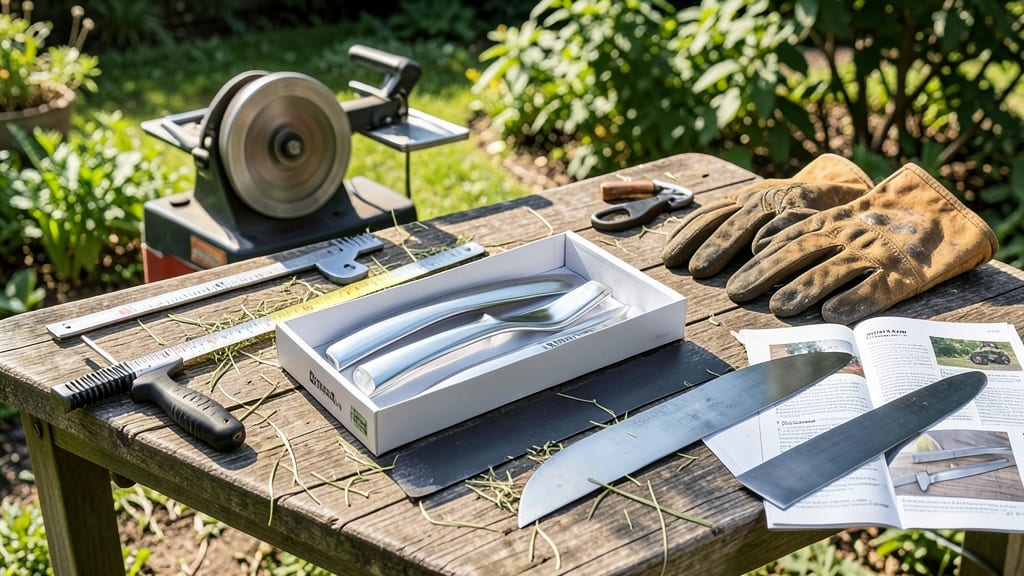
Yes, do new lawn mower blades need to be sharpened right away—even straight from the factory, they dull after just 8–10 hours of cutting grass. Sharpen them before first use to ensure clean cuts and prevent tearing, which keeps your lawn looking its best and growing healthier.
Most people assume factory blades are ready to go, but those edges are designed for durability during shipping—not for cutting real grass. 🌱 The repeated impact of mowing causes microscopic bends in the metal, which quickly reduces cutting efficiency.
I've seen blades that look sharp but leave jagged grass edges after just one mowing session, signaling it's time to sharpen. This isn't just about looks—dull blades tear grass instead of cleanly cutting it, which stresses the plants and makes your lawn more vulnerable to disease.
For best results, I recommend checking blade sharpness every 25 hours of use—that's about 5–10 mowings for most homeowners. The key is consistency: always sharpen at the same angle (usually 30–35 degrees) and use a fine-tooth file for a smoother finish.
If you notice the blade leaving white streaks or struggling to cut through thick grass, that's your cue to sharpen again. Professional sharpening services can extend blade life, but a good file and steady hand work just as well for most DIYers.
💡 In This Article
- Why Factory-New Lawn Mower Blades Dull So Quickly
- Step-by-Step Guide to Sharpening New Mower Blades
Why factory-new lawn mower blades dull so quickly
New lawn mower blades arrive with factory edges designed for durability during shipping—not for cutting real grass. The repeated impact of slicing through grass blades creates micro-fractures in the metal, which weaken the cutting edge after just 8-10 hours of use.
Imagine hitting a nail with a hammer repeatedly—eventually, the metal fatigues and loses its sharpness. The same principle applies to mower blades, where each pass through grass exerts thousands of tiny impacts per minute.
Grass buildup plays a major role too. When blades aren't perfectly sharp, they tear rather than cut grass cleanly. This creates a gummy residue that clings to the blade surface, acting like sandpaper against the metal.
Over time, this buildup causes uneven wear, accelerating dulling. The 30-35 degree factory angle—optimal for shipping—becomes less effective once grass debris starts accumulating, forcing the blade to work harder for the same cut. 🔥
Material quality matters significantly. Most residential mower blades are made from high-carbon steel, which holds an edge well but isn't as durable as commercial-grade alloys. Even premium blades experience edge degradation because grass contains silica particles that act like abrasives, wearing down the metal faster than you'd expect.
The harder you push the mower (especially on thick grass or weeds), the faster these microscopic particles erode the blade's surface.
What most people miss is how tearing grass accelerates wear. When blades dull, they rip grass instead of slicing it cleanly. These torn edges create more friction against the blade, generating heat that further softens the metal.
Over time, this thermal stress causes the blade to lose its original shape, requiring more frequent sharpening. The result? A lawn that looks ragged and stressed rather than healthy and vibrant.
Consider this comparison: A brand-new 12-inch blade might cut 1 acre of grass before needing sharpening if properly maintained. But if you skip sharpening after that initial 8-10 hours, you're essentially forcing the blade to work with a 20-30% less efficient edge.
That means more time mowing, more strain on your engine, and a lawn that recovers poorly from the damage.
Here's what's actually happening at the microscopic level: Each grass blade contains 50-100 silica particles per square inch, and when the mower blade tears rather than cuts, these particles embed in the metal like tiny razors.
This embedding process is what creates those telltale white streaks on your lawn—signs the blade is dulling and needs attention. The sooner you address it, the longer your blades (and your lawn) will last.