
Blooming
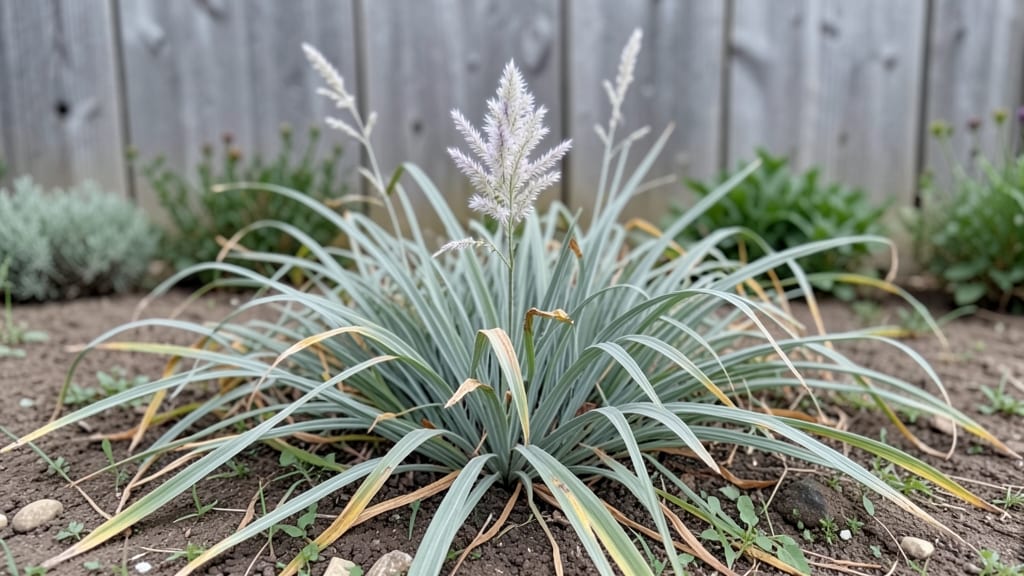
Lemon grass does not bloom in most home gardens because growers prioritize its edible stalks over flowering. However, tropical-grown mature plants can produce small white or purple flowers when conditions are ideal.
Most lemon grass varieties you'll find in grocery stores or home gardens are cultivated specifically for their aromatic stalks, not flowers. 🌿 The energy that wild plants might use for blooming gets redirected into growing those long, flavorful stalks we use in cooking.
If you're growing lemon grass in a warm, humid climate with plenty of sunlight, you might eventually see those delicate flowers—though even then, it's rare in commercial varieties.
Flowering typically occurs in the second or third year of growth, and the blooms are usually small and short-lived. These flowers aren't just ornamental—they can be used to make seed pods, though they're rarely harvested for culinary purposes.
The real value in lemon grass is always in those stalks, which is why most growers focus on maximizing stalk production rather than encouraging blooms.
💡 In This Article
- Why Lemon Grass Rarely Produces Flowers
- Encouraging Lemon Grass Flowering for Seed Production
Why lemon grass rarely produces flowers
Lemon grass plants prioritize stalk growth over flowering due to their genetic makeup. Most commercial varieties have been selectively bred to maximize the production of those long, citrus-scented stalks we use in cooking.
The plant allocates nearly all its energy to developing a 3-4 foot tall stem with a diameter of about 0.5 inches, rather than diverting resources to flower production. This is similar to how corn plants focus energy on kernel development rather than flowering.
The botanical reason lies in the plant's growth cycle. Lemon grass follows a monocarpic growth pattern, meaning it grows vegetatively for years before potentially flowering once. However, commercial growers often harvest the stalks before the plant reaches this stage.
Even in wild conditions, flowering requires specific triggers: consistent temperatures above 75°F, 12+ hours of sunlight daily, and well-draining soil with adequate moisture. Without these, the plant remains in a vegetative state indefinitely.
Wild varieties of lemon grass (like Cymbopogon citratus) occasionally produce small, fragrant white or purple flowers that grow in dense clusters at the top of the stalk. These blooms appear in tropical climates during the plant's third growing season, typically between 6-12 months after planting.
The flowers are delicate, with a subtle vanilla-like aroma, but they're rarely seen in grocery store varieties because breeders prioritize stalk production over ornamental qualities.
Energy allocation is the key factor here. A mature lemon grass plant can produce 10-15 stalks per season, each containing essential oils that give it its signature citrusy flavor. Diverting even 10% of that energy toward flowering would significantly reduce stalk quality and quantity.
This is why you'll rarely see blooms in home gardens—most plants are simply too focused on growing those flavorful stalks we love in Thai curries and Vietnamese pho.
Another interesting aspect is how flowering affects the plant's lifespan. Once lemon grass blooms, it enters its reproductive phase and often declines in vigor. This is why growers typically remove any flower stalks that appear, redirecting the plant's energy back into new growth.
The flowers themselves are short-lived, lasting only 2-3 days before the plant begins producing seed pods, which further drain its resources.
For comparison, consider how basil plants behave. Basil flowers freely, but once it blooms, the leaves become bitter and the plant's energy shifts toward reproduction. Lemon grass follows a similar pattern, but its commercial varieties have been bred to delay or prevent flowering entirely.
This creates a perpetual harvest cycle where you can continuously cut stalks without worrying about the plant "shutting down" for reproduction.
What most people don't realize is that even when lemon grass does flower, the blooms are rarely useful for home gardeners. The seeds produced are tiny and difficult to collect, and the flowers themselves have limited culinary value.
The real treasure is always in those stalks—where the plant's energy is most effectively concentrated for our culinary use. 🌿