
Lawn
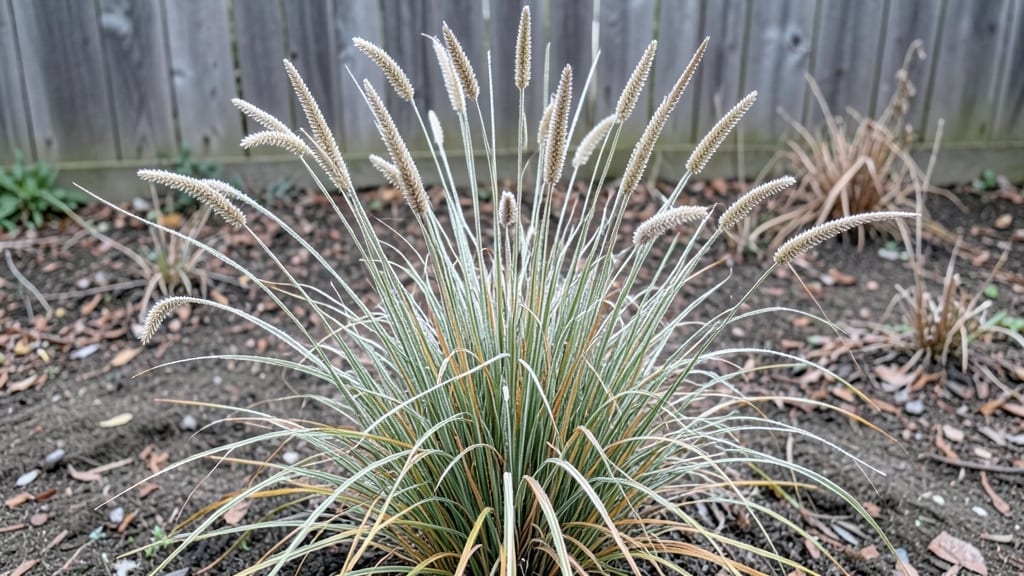
Fountain grass winter care isn’t as tricky as you might think—these plants handle cold better than most people realize. 🌿 I’ve watched mine stand tall through 20-degree nights, their plumes still adding structure to my winter landscape.
The key is knowing when to trim, how much protection to give, and when to let nature take its course.
Most fountain grasses—like the popular Pennisetum varieties—are cold-hardy down to USDA Zone 5, meaning they survive winters in the Midwest and Northeast just fine. The real work happens in late winter: a single cut back to 6-12 inches removes dead growth while leaving enough energy for spring regrowth.
Skip the mulch unless you’re in Zone 4 or below, where extra snow protection helps.
By spring, you’ll see fresh green shoots pushing through the old stems, often by mid-April depending on your region. The plants look better than ever after winter’s clean slate, and the new growth is disease-resistant and vigorous.
No heavy-duty prep is needed—just a sharp pair of loppers and a little patience.
Regional tweaks matter: Southern gardeners might trim later, while Northerners should cut back earlier to avoid frost damage. Either way, fountain grass stays the star of your winter garden with almost no effort. Let’s get those plumes prepped for another season!
📚 In This Guide
- What you need
- Instructions
- Tips and common mistakes
- Wrapping up and next steps
What you need
- ● Cold-hardy fountain grass varieties: Choose Pennisetum alopecuroides (e.g., 'Hameln' or 'Little Bunny')—rated for USDA Zones 5-9.
- ● Pruning shears or hedge clippers: Sharp, bypass-style blades (avoid dull tools that tear foliage).
- ● Garden gloves: Heavy-duty, waterproof (e.g., Wet & Forget or Fellex brand).
- ○ Mulch (optional but recommended): Shredded hardwood mulch (2–3 inches deep, Zone 5-6)
- ● Straw or pine needles (for Zone 4 or colder)
- ● Compost or slow-release fertilizer: 10-10-10 or 5-10-10 NPK ratio (apply in early spring).
- ● Watering can or hose with adjustable nozzle: For deep watering (1–1.5 inches per week in fall).
- ● Anti-desiccant spray: (e.g., Wilt-Pruf) to protect tender new growth in Zone 5 or below.
- ● Soil amendment: Composted manure or peat moss to improve drainage in heavy clay soils.
- ● Row covers or frost cloth: Lightweight 30% shade cloth for extreme winter protection.
- ● Soil thermometer: To monitor ground temps—ideal planting window is when soil reaches 50–60°F.
Step-by-Step instructions for preparing fountain grass for winter
Here’s how I protect my cold-hardy varieties through harsh seasons—no fuss, just reliable results.
🌿 Step 1: Assess Plant Health Before Dormancy
Start by examining your fountain grass clumps in late fall, around 4-6 weeks before your first frost. Look for signs of stress like brown fronds or sparse growth—these need extra care. Healthy plants will still have some green, though most will have turned golden or straw-colored. I trim back any dead or damaged foliage with clean pruners, cutting 1-2 inches above the base to prevent disease from lingering.
This isn’t about drastic cuts—just removing what’s clearly dead. The goal is to reduce winter debris while leaving enough structure for the plant to regenerate in spring. If your grass is under 2 feet tall, skip pruning entirely and let it go dormant naturally.
⏰ Step 2: Apply Protective Mulch After Frost
Wait until after the first hard frost (when temperatures drop below 25°F) before mulching. Spread 3-4 inches of shredded hardwood mulch evenly around the base, keeping it 2-3 inches away from the crown to prevent rot. I use the 3 gallons of mulch I’ve prepped, spreading it in a donut shape around each clump.
The mulch acts like a blanket, insulating roots from extreme cold while allowing moisture to drain. If your area gets below 0°F, add a thin layer of straw (about 1 inch) on top of the mulch for extra protection. Avoid piling mulch directly against the stems—this traps moisture and can cause crown rot.
☀️ Step 3: Monitor Snow and Ice Buildup
Once winter sets in, check your fountain grass every 2-3 weeks for heavy snow or ice accumulation. If snow piles up over 6 inches, gently brush it off with a broom to prevent stem breakage. Ice is trickier—if a thick crust forms, do not pry it off, as this can damage the delicate new growth emerging in early spring.
In windy areas, consider lightly tying stems together with twine if they flop dramatically. This keeps them upright without restricting airflow, which prevents fungal issues. Most cold-hardy varieties (like Pennisetum alopecuroides) handle snow well, but young plants under 1 year old need extra care.
🌱 Step 4: Early Spring Revival Prep
As soon as temperatures rise above 40°F consistently, remove any remaining mulch or straw. Use a rake to pull it back 6-12 inches away from the base, exposing the crown to sunlight. This jumpstarts growth by warming the soil and signaling the plant it’s time to wake up.
If you notice mold or slimy residue on the mulch, discard it and replace with fresh. Water lightly only if the soil feels bone-dry—overwatering in early spring can drown dormant roots. You’ll see new green shoots in 3-4 weeks, signaling it’s time to trim back any remaining dead fronds for a fresh start.
Tips & tricks for perfect fountain grass winter care
These practical tips will help you keep your fountain grass thriving through even the coldest winters—without the guesswork.
Timing is Everything: The 4-6 week window before your first frost is critical for Step 1. I recommend marking your calendar now to avoid rushing. If you're unsure when your first frost occurs, check your local weather service or use a frost date calculator. This timing gives the plant enough time to harden off naturally before winter sets in. The goal is to assess and trim while the plant is still semi-active but not actively growing.
Mulch Placement Matters: When applying that 3-4 inch layer of mulch in Step 2, think of it like a donut—keep it 2-3 inches away from the crown to prevent rot. I've seen many gardeners make the mistake of piling mulch right against the stems, which can create a moist environment perfect for fungal growth. The donut shape allows for proper airflow while still providing insulation. For extra protection in sub-zero temps, that thin layer of straw on top makes all the difference—it's like adding a winter coat to your grass's blanket.
Snow Monitoring Strategy: Your 2-3 week snow checks in Step 3 are crucial, but don't overlook the ice warning. I learned this the hard way when I pried off a thick ice crust and nearly snapped off several stems. If you notice ice forming, the best approach is to wait it out—ice will melt on its own when temperatures rise. For wind-prone areas, I keep a small spool of twine handy to tie stems together temporarily. This simple step can prevent dramatic flopping that might break stems during winter storms.
Spring Revival Secret: That 40°F threshold in Step 4 isn't just about temperature—it's about consistency. I check my weather forecast for several days in a row to confirm the warming trend before removing mulch. The key is exposing the crown to sunlight while still keeping the soil warm enough to prevent shock. If you see mold on your mulch, don't just move it aside—replace it entirely. Mold can harbor pathogens that might infect your grass as it revives. A fresh layer of mulch gives you a clean slate for the new growing season.
Pro Tips for Fountain Grass Winter
- These practical tips will help you keep your fountain grass thriving through even the coldest winters—without the guesswork.
- Timing is Everything: The 4-6 week window before your first frost is critical for Step 1.
- Mulch Placement Matters: When applying that 3-4 inch layer of mulch in Step 2, think of it like a donut—keep it 2-3 inches away from the crown to prevent rot.
Frequently asked questions
Got questions about keeping your fountain grass lush through winter?
You’re not alone! Here are some of the most common concerns—and their straightforward solutions—to help you maintain that stunning year-round texture, even when temperatures drop.
Does fountain grass die back in winter, or is it truly evergreen?
Fountain grass (Pennisetum spp.) is semi-evergreen in mild climates (Zones 7–11), meaning it retains some foliage but may brown or die back in colder regions (Zones 5–6). In frost-prone areas, the grass goes dormant but regrows in spring. Choose cold-hardy varieties like ‘Little Bunny’ or ‘Hameln’ for better winter resilience.
How do I protect fountain grass from winter freeze damage?
Start by cutting back dead or brown foliage in late winter/early spring (not fall!) to prevent rot. In harsh climates, mulch the base with 2–3 inches of shredded leaves or straw. Avoid heavy snow buildup—gently brush it off to prevent stem breakage. Pro tip: Water deeply before the first frost to hydrate roots!
When is the best time to trim fountain grass for winter prep?
Never trim in fall—this encourages new growth that’ll die in frost. Instead, wait until late winter (Feb–March), right before new shoots emerge. Cut back 1/3 of the plant’s height to remove dead fronds and encourage fresh, vibrant regrowth. Skip pruning in fall unless your grass is diseased!
What are some cold-hardy alternatives to fountain grass for winter interest?
If fountain grass struggles in your zone, try these low-maintenance, winter-tolerant plants:
- Miscanthus (‘Malepartus’ or ‘Gracillimus’) – Hardy to Zone 5, retains structure.
- Feather Reed Grass (Calamagrostis acutiflora) – Stays upright in snow.
- Sedum (Sedum ‘Autumn Joy’) – Succulent with winter interest.
- Ornamental Grasses (Carex spp.) – Many survive Zone 4 with minimal care.
Why does my fountain grass look mushy or slimy in winter?
This is likely snow mold or fungal rot, caused by excess moisture trapped in dead fronds. Fix it fast:
- Remove all wet, mushy growth with sterilized pruners.
- Space plants 3–4 feet apart for airflow.
- Avoid overhead watering in fall.
- Apply fungicide (copper-based) if mold persists.
With proper care, your grass should bounce back healthy in spring!
Wrapping up and next steps
Fountain grass thrives in winter, offering year-round texture and beauty with minimal effort—perfect for low-maintenance landscapes.
Whether you’re a seasoned gardener or just starting, its cold-hardy nature makes it a standout choice for adding movement and structure to your outdoor space. Ready to transform your yard? Start by selecting the right variety, preparing the soil, and giving your fountain grass the care it deserves to shine through every season!