
Lawn
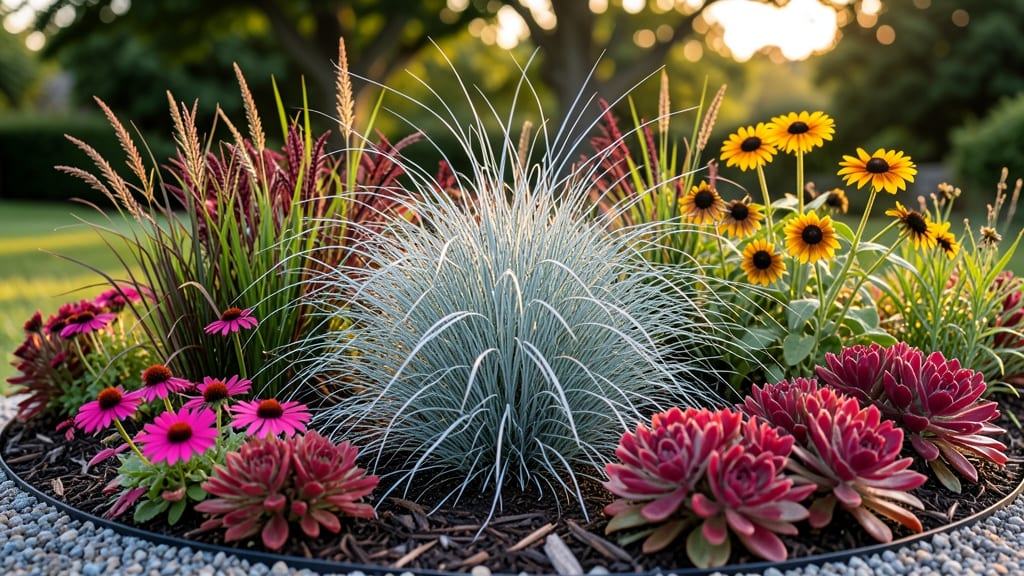
Your front lawn could be the envy of the neighborhood with front lawn gardens pictures that showcase your style—no expensive plants required. The secret isn't just expensive plants—it's smart layout, seasonal color planning, and a few unexpected features that make your space feel like a curated garden, not just grass.
I've transformed ordinary front yards into showstopping landscapes using layered flower beds, drought-tolerant shrubs, and simple pathways that guide visitors through the space. The key is balancing structure with softness—think clean edges for hardscapes but wild, textured plants to keep it inviting.
By the end of this, you'll have a year-round color plan that blooms from spring tulips to fall mums, with evergreens holding the scene together in winter. Neighbors will pause to admire it, and you'll finally enjoy looking out your window instead of at the same old grass.
Works for any size yard, from narrow city lots to spacious suburban plots. Let's sketch out your dream design!
📚 In This Guide
- What you need
- Instructions
- Tips and common mistakes
- Wrapping up and next steps
What you need
- ● Soil & Fertilizer: Topsoil (1–2 cubic yards, depending on lawn size)
- ● Slow-release organic fertilizer (e.g., 10-10-10 or compost)
- ● Plants & Mulch: Perennials/annuals (e.g., daylilies, marigolds, or hostas—10–20 plants)
- ● Shrubs or small trees (2–4, depending on design)
- ● Mulch (2–3 bags, 2–3 cubic feet each)
- ● Hardware: Garden hose with adjustable nozzle (50+ ft)
- ● Garden gloves (1–2 pairs)
- ● Pruners (bypass or anvil type)
- ● Layout Tools: Measuring tape (25 ft)
- ● Stakes & twine (for marking plant placement)
- ● Wheelbarrow (for hauling soil/mulch)
- ● Decorative stones or stepping stones (for pathways)
- ● Outdoor lighting (solar-powered or low-voltage)
- ● Garden edging (metal or plastic, 10–20 ft)
- ● Watering system (drip irrigation or sprinkler timer)
- ● Bench or small seating (for a cozy touch)
Instructions for designing a stunning front lawn garden
Let's turn your front yard into the envy of the neighborhood with these practical steps.
Assess Your Space and Sunlight Patterns
Start by walking your yard at different times of day to map sunlight exposure. Most front lawn gardens thrive with 4-6 hours of sunlight daily, but some plants like ferns or hostas prefer shade. I like to sketch a simple diagram marking sun, partial shade, and full shade areas—this ensures every plant gets the right conditions.
Check for existing obstacles like trees, sidewalks, or utility lines that might limit plant placement. Measure the width of your lawn to plan spacing—most perennials need 18-24 inches apart at maturity. If your yard slopes, note drainage patterns; water pooling in low spots can drown roots.
Choose a Cohesive Plant Palette
Pick a color scheme that complements your home's exterior. I often use 3-5 main plants as anchors—like purple coneflowers, black-eyed Susans, and ornamental grasses—and layer in 2-3 accent plants for texture. For a low-maintenance look, opt for native plants that thrive in your climate without extra watering.
Consider seasonal interest: include early bloomers like crocuses, mid-season stars like daylilies, and late-season showstoppers like asters. Mix heights too—tall grasses or shrubs in back, medium perennials in the middle, and ground covers or bulbs in front. This creates visual depth and hides soil.
Prepare the Soil for Healthy Growth
Test your soil's pH and nutrients with a simple kit from your local garden center. Most flowers prefer 6.0-7.0 pH, while blueberries need acidic soil (4.5-5.5). If your soil is heavy clay or sandy, amend it with 2-3 inches of compost mixed into the top 6 inches. This improves drainage and feeds roots.
Remove any existing grass or weeds by smothering with cardboard or landscape fabric, then cover with 3-4 inches of mulch after planting. This suppresses weeds and retains moisture. For new beds, dig a trench around the perimeter to contain soil and plants—this keeps everything neat and prevents erosion.
Plant with Intention and Spacing
Dig holes twice as wide as the root ball but only as deep as the container. Gently loosen roots if they're circling before placing plants in soil. Fill gaps with native soil, then water deeply to settle everything. Press soil lightly around stems—this prevents air pockets that can strangle roots.
Stagger plant sizes and colors for a natural, full look. Place taller plants toward the back and shorter ones in front, but avoid rigid rows—cluster odd numbers (3, 5, or 7) for a more organic feel. Water immediately after planting to help roots establish contact with soil.
Mulch and Maintain for Long-Term Beauty
Spread 2-3 inches of mulch (wood chips, shredded bark, or pine straw) around plants, keeping it 2 inches away from stems to prevent rot. Mulch conserves moisture, regulates soil temperature, and suppresses weeds. Replenish it annually as it breaks down.
Water deeply 1-2 times per week (more in extreme heat) until plants establish roots (4-6 weeks). After that, most perennials only need 1 inch of water weekly. Fertilize lightly in spring with a balanced 10-10-10 formula—too much can burn plants or encourage weak growth.
Tips & tricks for creating a stunning front lawn garden
Transforming your front yard into a showstopper takes more than just planting a few flowers—it's about thoughtful planning and smart execution. Here's how to elevate your landscaping game with these practical insights.
Sunlight Mapping: When assessing sunlight in Step 1, I recommend using a simple app like Sun Surveyor to track sunlight patterns throughout the day. This helps you visualize how sunlight shifts and ensures you're not guessing about shade versus sun exposure. Mark your yard with colored chalk or flags to clearly distinguish between full sun, partial shade, and full shade areas—this visual guide makes plant placement much easier.
Plant Selection Strategy: In Step 2, focus on plants that offer year-round interest. For example, evergreen shrubs like boxwood or holly provide structure in winter, while spring bulbs like daffodils and tulips add early color. I like to include at least one plant with interesting foliage, like heuchera or hostas, to keep the garden visually engaging even when flowers aren't blooming. This layered approach ensures your garden remains beautiful throughout all seasons.
Soil Preparation: For Step 3, don't overlook the importance of proper soil testing. Many garden centers offer free or low-cost soil tests that reveal nutrient deficiencies and pH levels. If your soil is particularly poor, consider adding organic matter like composted leaves or well-rotted manure to improve its structure. I've found that amending soil with a mix of compost and coconut coir creates an ideal growing medium that retains moisture while allowing good drainage.
Planting Layout: When planting in Step 4, use a string line to create perfectly straight rows when needed, but remember that nature thrives on irregularity. For a more natural look, plant in loose clusters rather than perfect rows. I often use the "odd-number rule"—grouping plants in threes or fives—because it creates a more organic, full appearance. This technique also helps hide any empty spaces that might occur as plants grow and fill in.
Pro Tips for Front Lawn Gardens Pictures
- Transforming your front yard into a showstopper takes more than just planting a few flowers—it's about thoughtful planning and smart execution.
- Sunlight Mapping: When assessing sunlight in Step 1, I recommend using a simple app like Sun Surveyor to track sunlight patterns throughout the day.
- Plant Selection Strategy: In Step 2, focus on plants that offer year-round interest.
Frequently asked questions
Got questions about transforming your front lawn into a stunning garden? You’re not alone! Here are some of the most common queries—and their answers—to help you get started with confidence.
What’s the best time of year to plant a front lawn garden?
The ideal time depends on your climate, but spring (after the last frost) and early fall are the sweet spots. Cool-season plants like pansies thrive in spring, while warm-season flowers (e.g., marigolds) love summer heat. Pro tip: Check your USDA hardiness zone for local timing!
How much does it cost to turn a front lawn into a garden?
Costs vary widely based on size, plants, and materials. A small DIY garden might run $100–$300 (perennials, mulch, soil amendments), while a professional-designed landscape could cost $2,000–$10,000+. Budget hack: Start with low-maintenance ground covers or native plants to save!
Will a front lawn garden attract pests like mosquitoes or rodents?
Not necessarily! Well-planned gardens with diverse plants (e.g., marigolds, lavender, or basil) can deter pests naturally. Avoid stagnant water (mosquito breeding grounds) and keep mulch away from your home’s foundation. Bonus: Pollinator-friendly flowers attract bees—just choose native species!
Can I still have a garden if my lawn has shade or poor soil?
Shady spots
? Try hostas, ferns, or astilbes. Poor soil? Amend with compost or use raised beds. Quick fix: Test your soil (DIY kits are cheap!) and pick plants labeled for your conditions. Even drought-tolerant succulents or ornamental grasses work!
Will a front lawn garden violate HOA rules or local ordinances?
Check your HOA covenants or city codes—some areas require lawns for curb appeal. If in doubt, replace grass with clover, moss, or low-growing ground covers (often allowed) instead of flowers. Legal tip: Frame your garden as “landscaping” rather than “removing turf” to ease approvals.
Still stumped? Browse front lawn gardens pictures for inspiration—and remember, every expert started with a single shovel!
Wrapping up and next steps
Transforming your front lawn into a stunning garden isn’t just about aesthetics—it’s about creating a space that reflects your personality and boosts curb appeal.
From vibrant flower beds to cozy seating nooks, the right landscaping can turn heads and spark joy in your daily routine. Start small, dream big, and let your creativity bloom!
Ready to take the next step? Sketch a rough design, gather inspiration from the pictures above, and reach out to a local landscaper or DIY community for tips. Your future front yard awaits—let’s make it unforgettable! 🌸✨