
Container Gardens
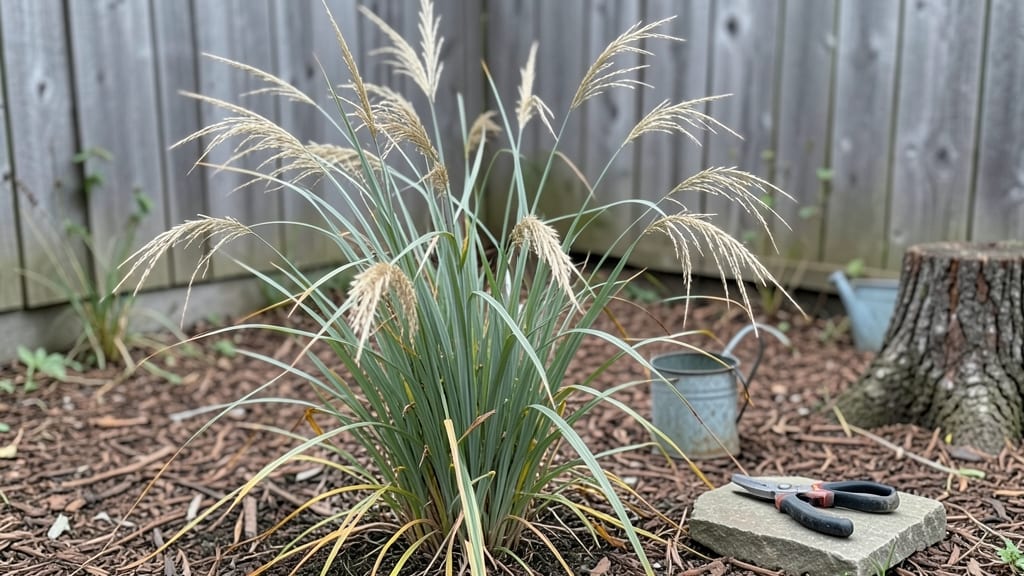
Growing ornamental grasses thrives in well-draining soil with moderate sunlight, requiring minimal maintenance while offering year-round texture and movement. Choose compact varieties like Carex or Miscanthus for containers, water sparingly, and trim back dead foliage in early spring for optimal growth.
Ornamental grasses bring effortless elegance to container gardens, thriving where many plants struggle—like dry conditions or partial shade. 🌿 Their fibrous root systems prevent erosion while adding movement and visual interest.
I’ve found that container-grown grasses like Miscanthus sinensis 'Zebrinus' or Festuca glauca not only survive but flourish with just one inch of water weekly, making them perfect for busy gardeners. The key is selecting varieties with natural compact growth habits to avoid outgrowing their pots too quickly.
Beyond their low-maintenance nature, ornamental grasses offer seasonal color shifts—from golden spring foliage to deep bronze hues in fall—that keep your containers dynamic. For example, Pennisetum alopecuroides (fountain grass) develops striking seed heads that last through winter, providing winter interest when many other plants have faded.
Just ensure your containers have drainage holes and use a well-aerated mix of potting soil and perlite to prevent root rot, which is their only real weakness.
💡 In This Article
- Ornamental Grass Varieties Best Suited for Containers
- Container Gardening Tips for Healthy Ornamental Grasses
Ornamental grass varieties best suited for containers
The right ornamental grass variety can transform a container garden from static to dynamic. Festuca glauca (blue fescue) stands out for its compact, clumping habit—reaching just 12-18 inches tall—making it ideal for small pots.
Its steel-blue foliage stays vibrant year-round, though it may fade slightly in winter. What makes it unique is its drought tolerance once established, thanks to its deep root system that efficiently captures moisture. 💫
For taller containers, Pennisetum alopecuroides (fountain grass) offers dramatic 2-3 foot plumes that sway with the breeze, creating movement even in still air. This variety thrives in hardiness zones 5-9 and develops striking seed heads that persist through winter, providing structure when other plants have gone dormant.
The key to its success in containers is using a mix that's 60% potting soil and 40% perlite to prevent waterlogging, which can cause root rot.
If you prefer grasses with seasonal color shifts, Miscanthus sinensis 'Zebrinus' delivers with its golden-yellow foliage that turns deep bronze in fall. This variety grows 4-6 feet tall but can be contained in large pots with 18-inch diameter or wider.
The zebra-striped leaves add visual interest, while its airy plumes create a soft, feathery texture. Unlike many grasses, it benefits from light winter mulching to protect its crown from freeze-thaw cycles in colder zones.
For those with limited space, Carex oshimensis 'Evergold' offers a low-growing (12-18 inches) option with golden foliage that contrasts beautifully with dark containers. This sedge-type grass spreads slowly through rhizomes, making it perfect for 10-inch diameter pots.
Its fine texture creates a carpet-like effect, ideal for edging container arrangements. The secret to its success is keeping it slightly moist during its first growing season to establish strong roots.
All these varieties share one common trait—they thrive in USDA hardiness zones 5-9—but their growth habits and care needs vary significantly. For example, Festuca glauca prefers full sun to partial shade (minimum 4 hours of direct sunlight daily), while Carex varieties tolerate more shade.
The key is matching the grass's natural habitat to your container's light conditions to ensure optimal growth and color development.