
Lawn
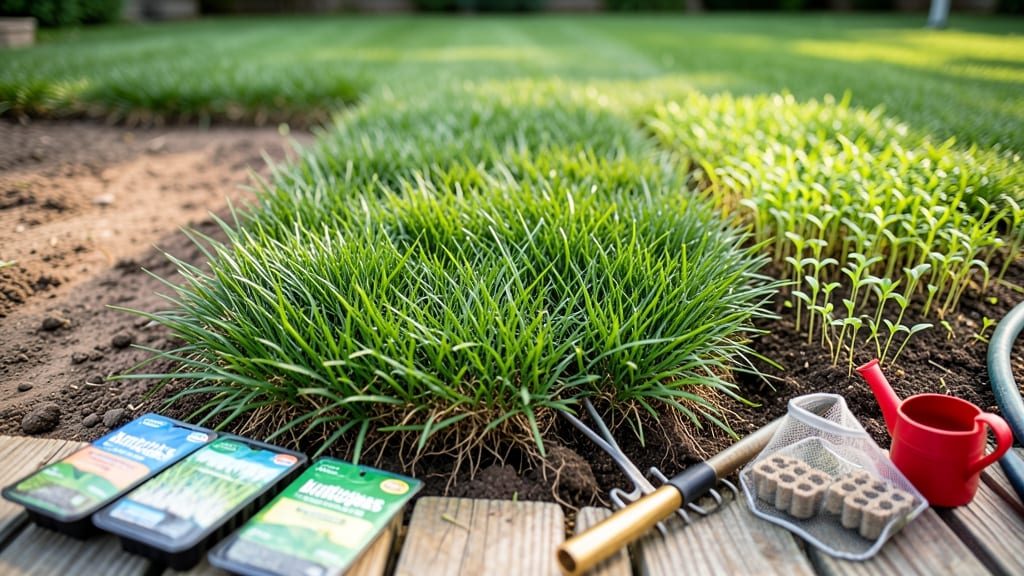
Bare spots in your lawn don’t have to be a permanent eyesore. 🌱 I’ve turned patchy yards into lush carpets by addressing the root causes—whether it’s compacted soil, grub damage, or over-mowing—with targeted fixes that actually work.
The first step is diagnosing the problem: pull up a patch of dead grass to check for grubs, test soil moisture, or look for thatch buildup. Most bare spots stem from three common issues—thin grass, soil compaction, or pest activity—and each needs a different approach.
Skipping this step means wasting time and money on the wrong repair.
Once you know the cause, you’ll either overseed, patch with sod, or aerate to revive the area. The key is preparing the soil right—loosening it, adding compost, and choosing the right grass type for your climate. Within 6-8 weeks, you’ll see new growth filling those gaps seamlessly.
This method works for any lawn size, from small front yards to large backyards. The secret is patience and precision—no more guessing or half-measures. Let’s get those bare spots looking like they never existed.
Root Causes of Lawn Thinning
Bare spots in your lawn aren’t just unsightly—they’re often a cry for help from your grass. Understanding the why behind these patches is the first step to restoring a lush, green carpet. Let’s dig into the most common culprits and the science behind them.
Grass roots need oxygen to thrive, but too much water suffocates them. When soil stays soggy for too long, roots can’t breathe, leading to anaerobic conditions—a fancy term for "no oxygen."
This creates the perfect environment for: - Fungal diseases (like Fusarium or Rhizoctonia), which attack weakened roots. - Root rot, where roots literally decompose from lack of air. - Weakened grass that can’t compete with weeds or recover from stress.
Actionable clue: If your lawn feels spongy underfoot or has a musty smell, drainage is likely the issue. 💡 Test it: Dig a small hole (6 inches deep) and fill it with water. If it drains slower than 4 hours, you’ve got poor drainage.
On the flip side, insufficient water forces grass to stretch its roots deeper in search of moisture.
This makes blades thin, weak, and more susceptible to: - Desiccation (drying out), which turns grass brown and brittle. - Increased weed invasion, since weeds often have shallower, more drought-resistant roots. - Compaction from foot traffic on dry soil, crushing roots.
Actionable clue: If your grass has a blue-gray tint or feels crispy underfoot, it’s thirsty. 🌡️ Pro tip: Water deeply 2–3 times per week (1–1.5 inches per session) rather than daily shallow sprinkles.
Underground pests like grubs, chinch bugs, or sod webworms munch on grass roots like a buffet.
Their damage is often invisible until: - Patches of grass pull up easily (like a carpet) when you walk on them. - Birds or raccoons are digging up your lawn (they’re snacking on grubs!). - Yellowing or wilting grass that recovers when pests are treated.
Actionable clue: Lift a small section of sod—if you see white grubs or tiny brown insects, you’ve got a pest problem. 🔪 Solution: Apply beneficial nematodes or insecticidal soap in early evening when pests are active.
Grass is a nutrient hog, and if your soil lacks key elements, it’ll show in bare patches. The most critical deficiencies are: - Nitrogen (N): Causes yellowing (not just brown) and stunted growth.
Grass needs it to produce chlorophyll (the green pigment). - Phosphorus (P): Essential for root development—without it, roots stay shallow and weak. - Potassium (K): Helps grass resist disease and recover from stress.
Actionable clue: Take a soil test (kits cost ~$20) to check pH and nutrient levels. If your grass is yellow but not brown, nitrogen is likely the issue. 📊 Fix it: Apply a balanced fertilizer (like 10-10-10) or compost.
Heavy foot traffic, pets, or even lawn equipment can compact soil, crushing roots and blocking water/air flow.
Compacted soil: - Reduces root oxygen by 30–50%. - Inhibits water absorption, leading to runoff and dry patches. - Encourages thatch buildup, a layer of dead grass that smothers living roots.
Actionable clue: If your lawn feels hard as concrete when you press your foot down, compaction is the villain. 👨🍳 Solution: Aerate in spring/fall using a core aerator (rent one for ~$60).
Frost, heatwaves, or intense sunlight can scorch grass, especially if it’s already stressed. Winterkill (from freezing/thaw cycles) or summer dormancy (grass going brown to conserve water) often leaves patches that don’t recover.
Actionable clue: If bare spots appear suddenly after a heatwave or spring thaw, weather is likely the culprit. 🌡️ Prevent it: Mow high (3–4 inches) in summer to shade roots and water early morning to reduce evaporation.
Not all grass is created equal. If you planted cool-season grass in a hot, sunny climate (or vice versa), it’ll struggle. Similarly, shade-loving grasses (like fine fescue) won’t thrive in full sun.
Actionable clue: Check your grass type—Bermuda loves heat, Kentucky bluegrass prefers cooler climates. If your lawn has uneven sunlight, mix shade-tolerant and sun-loving seeds. ✨ Pro tip: Overseed with microclover for drought-resistant patches.
Accidental overspray from weed killers (like glyphosate) or fertilizer burns can kill grass in targeted spots. Even pet urine (high in nitrogen) can create yellow rings that later turn brown.
Actionable clue: If bare spots appear right after herbicide use or in pet hotspots, chemicals are the likely cause. 🚫 Fix it: Rake out dead grass and overseed with a disease-resistant variety.
Fungal diseases like dollar spot, brown patch, or snow mold thrive in humid, warm conditions and leave behind circular bare patches.
Symptoms include: - Bleached or straw-colored grass (not just brown). - Webby fungal growth on blades (check with a magnifying glass). - Slow recovery even after watering.
Actionable clue: If your lawn has ring-like patterns or a musty smell, disease is likely. 💡 Prevent it: Improve airflow with proper mowing height (never remove >⅓ of the blade) and fungicide treatments in spring/fall.
Final Thought: Most bare spots are a combo of factors—like drought + compaction + pests. The good news? Once you identify the root cause (pun intended), fixing it is straightforward. Next up: How to Diagnose Your Specific Problem—because not all brown spots need the same cure!
Fixing Your Lawn’s Bald Patches
Now that you know the why behind those stubborn bare spots, let’s roll up your sleeves and tackle the how. Whether your lawn is suffering from foot traffic, pests, or poor soil, these targeted fixes will help you restore a lush, green carpet—without harming the roots already in place.
Below, we’ve matched common causes to their best solutions, plus pro tips to keep your lawn thriving long-term.
Problem: Heavy foot traffic, pets, or machinery flattens the soil, cutting off air, water, and nutrients to grass roots.
How to Fix It:
- 🔪 Aerate First – Rent a core aerator (or use a manual spike aerator in a pinch) to pull out small soil plugs. Focus on the bare spots and surrounding areas. Pro tip: Do this in spring or fall when grass is actively growing.
- 🌱 Top-Dress Lightly – Spread a thin (¼-inch) layer of compost or a 50/50 mix of compost and sand over the aerated spots. This improves drainage and adds organic matter.
- 💧 Water Deeply – After aerating, water the area to help the soil settle and encourage root growth.
Prevent It:
- Avoid walking on wet grass (it compacts easily).
- Use stepping stones or mulch on high-traffic paths.
- Aerate once a year if your lawn gets heavy use.
Problem: Grubs, fungi, or weeds are choking out your grass.
How to Fix It:
- 🔍 Identify the Culprit – Dig up a small section of bare soil. If you see:
- White grubs? → Use a grub-specific insecticide (like imidacloprid or neem oil for organic control).
- Fungal spots (e.g., brown patch)? → Apply a fungicide (like propiconazole) and improve airflow by mowing higher.
- Weeds? → Pull them by hand or spot-treat with vinegar + dish soap (for organic) or glyphosate (for tough weeds).
- 🌱 Overseed Immediately – After treating, spread high-quality grass seed (match it to your lawn type) and cover lightly with straw to retain moisture.
- 💧 Keep Moist (But Not Soggy) – Water lightly twice daily for 10–15 minutes until new grass sprouts (about 2–3 weeks).
Prevent It:
- Dethatch annually if your lawn has thick thatch (over ½ inch).
- Water deeply but less often (1–1.5 inches per week) to discourage fungal growth.
- Test your soil every 2–3 years to check pH and nutrient levels.
Problem: Thin soil, lack of sunlight, or nutrient deficiencies starve grass.
How to Fix It:
- 📊 Test Your Soil – Grab a DIY soil test kit (or send a sample to your local extension office) to check pH and nutrient levels.
- pH too low (acidic)? → Sprinkle lime (follow package rates).
- pH too high (alkaline)? → Apply sulfur or peat moss.
- 💪 Fertilize Strategically –
- Spring: Use a balanced fertilizer (10-10-10) to kickstart growth.
- Fall: Switch to a slow-release, high-potassium fertilizer (like 0-0-30) to strengthen roots.
- 🌿 Overseed & Mulch – Spread seed, then top with a thin layer of compost to hold moisture and nutrients.
- 🌳 Adjust Shade (If Possible) – Trim overhanging branches or plant shade-tolerant grass (like fine fescue) if sunlight is the issue.
Prevent It:
- Aerate + fertilize in early fall to build resilience.
- Mulch clippings (never bag them!) to return nutrients to the soil.
- Plant ground covers (like clover) in heavily shaded areas to reduce bare patches.
Problem: Freshly disturbed soil or thin grass leaves large gaps.
How to Fix It:
- 🔨 Prep the Patch –
- Remove all debris, rocks, and weeds.
- Loosen the soil with a rake or hand tamper.
- 🌱 Choose the Right Seed –
- For sun: Kentucky Bluegrass or Tall Fescue.
- For shade: Fine Fescue or Perennial Ryegrass.
- 💧 Plant & Protect –
- Spread seed evenly, then cover with a thin layer of compost (no more than ¼ inch).
- Water lightly every day for 2–3 weeks until sprouts appear.
- Avoid foot traffic until the new grass is 3–4 inches tall.
Prevent It:
- Sod instead of seed for large bare areas (faster results, but pricier).
- Use a pre-emergent herbicide in spring to block weeds before they sprout.
If you’re short on time, try these fast solutions for minor bare patches: - 🌿 Sod Pieces – Cut small squares of grass (with roots) from a healthy part of your lawn and press them into bare spots.
Water well. - 💧 Hydroseeding – Rent a sprayer and mix seed, mulch, and fertilizer in water for a one-and-done application. - 🌱 Clover or Clover Blends – If your lawn gets little use, white clover spreads fast, stays green, and fixes nitrogen in the soil.
Final Tip: Patience is key! New grass takes 2–4 weeks to sprout and 6–8 weeks to fully establish. Avoid mowing until it’s 3–4 inches tall, and keep watering consistently.
Now grab your tools—your lawn’s green revival starts today! 🌱💚
Frequently asked questions
How do I know if my bare spots are caused by pests or just drought?
Dig up a small section of the bare patch—if you see white grubs or tiny brown insects, pests are the culprit. For drought, check if the soil feels dry 2 inches deep and if the grass pulls up easily (no roots). Pests leave spongy, pull-up-easy patches, while drought creates crispy, brittle blades.
Can I use regular grass seed for repairing bare spots?
Not always! Match your seed to your lawn’s sunlight and climate. For sunny areas, use Kentucky Bluegrass or Tall Fescue. For shade, opt for Fine Fescue. Check your current grass type—if it’s cool-season (like Bermuda), avoid warm-season seeds (like Ryegrass) for mismatched growth.
How long should I water new grass seed after planting?
Keep the soil consistently moist for 2–3 weeks—water lightly twice daily (10–15 minutes per session) until sprouts appear. After germination, reduce to 1 inch per week. Overwatering can wash away seed or cause fungal growth. A sprinkler timer makes this easy!
Will aerating my lawn help with existing bare spots?
Aeration loosens compacted soil, letting roots breathe and new grass establish. For bare spots, rent a core aerator (or use a manual spike aerator) in spring or fall, then top-dress with compost. This combo works best for foot-traffic damage or nutrient-poor soil.
What’s the fastest way to cover a large bare area?
For quick results, use sod pieces (cut from healthy lawn areas) or hydroseeding—a slurry of seed, mulch, and fertilizer sprayed over the spot. Sod covers gaps in 2 weeks, while hydroseeding takes 4–6 weeks to fully grow. Both require consistent watering to root.