
Lawn
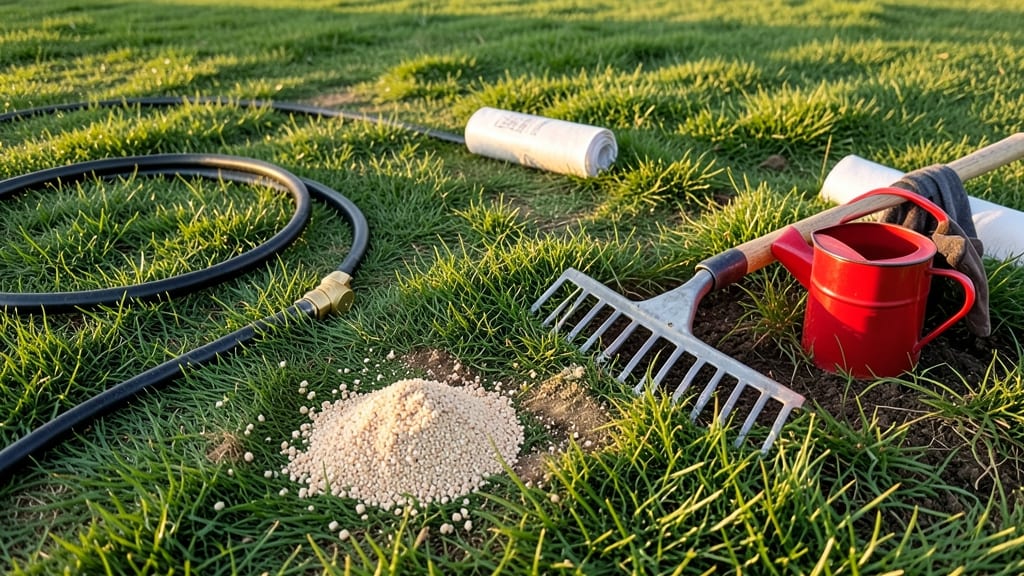
How to stop dog pee from killing your lawn—those stubborn yellow patches don’t have to be a permanent eyesore. I’ve seen firsthand how a few daily accidents can ruin a perfectly manicured yard—until I learned these five simple fixes that actually work. The key isn’t just cleaning up after your pup; it’s changing how your lawn handles the problem at the root (literally). Start by diluting the damage—water the affected area immediately after your dog goes, which helps spread the urine and reduces burn spots. Train your dog to use a designated pee zone (like a gravel patch or mulch bed) to protect high-traffic areas. For stubborn yellow patches, over-seeding with clover or fescue—grasses that tolerate dog urine—can restore your lawn faster than reseeding alone. You’ll notice a difference within two weeks of consistent care: fewer brown circles, softer grass, and a yard that actually stays green. The best part? No harsh chemicals—just smart watering, the right grass types, and a little patience. Let’s get your lawn back to lush in no time.
First, water the lawn right after your dog pees—this dilutes the ammonia and prevents burn marks. If you have a small yard, consider training your dog to use a specific area (like a patch of mulch or a gravel path) where the grass won’t suffer.
For existing damage, over-seeding with dog-friendly grasses like clover or fescue helps the lawn recover faster than traditional grass alone. A compost top-dressing in the spring can also boost soil health, making your grass more resilient to future accidents.
And if you’re dealing with a large yard, break it into zones so you can rotate watering and training efforts without missing a spot. The goal is to minimize damage while keeping your lawn looking its best.
For quick fixes, try vinegar or baking soda on small spots—they neutralize the ammonia without harming the grass. But long-term, prevention is key: water regularly, choose the right grass, and keep your dog’s pee habits in check.
With these steps, you’ll see healthier grass, fewer yellow patches, and a lawn that stays vibrant—even with a curious pup running around. The secret? Consistency. Stick with these methods for a season, and you’ll have a yard that’s both dog-proof and picture-perfect.
No more hiding brown spots or dreading walk-throughs—just a green, happy lawn that works with your dog, not against it.
📚 In This Guide
- What you need
- Instructions
- Tips and common mistakes
- Wrapping up and next steps
What you need
- ● Garden hose (with adjustable nozzle for rinsing) – 1
- ● Garden sprayer or watering can (for targeted application) – 1
- ● Diluted vinegar solution (1 part white vinegar to 3 parts water) – 1 gallon
- ● Baking soda (for spot treatment) – ½ cup
- ○ Over-the-counter (OTC) urine-neutralizing product (e.g., Nature’s Miracle or Simple Solution) – 1 bottle (optional but effective)
- ● Gloves (nitrile or rubber) – 1 pair (for handling chemicals)
- ● Garden rake or broom (for loosening soil) – 1
- ● Compost or topsoil (for patching dead grass) – Small bag (5-10 lbs)
- ○ Slow-release lawn fertilizer (low-nitrogen, high-potassium) – 1 bag (optional for recovery)
- ● Peat moss or sand (to dilute urine-affected soil) – Small bag
- ● Dog training treats (for potty-training reinforcement) – Pack of 10+
- ● Dog urine-neutralizing granules (sprinkle on hot spots) – 1 container
- ● pH test kit (to check soil acidity after treatment) – 1
Step-by-Step instructions for neutralizing dog urine in lawns
Here's how to protect your grass while keeping your dog happy—no harsh chemicals required.
🌱 Step 1: Dilute Urine Immediately After Peeing
When your dog finishes, immediately flood the area with at least 1 gallon of water per pee spot. This dilutes the ammonia concentration, which is what burns grass roots. I keep a garden hose with a gentle spray nozzle handy near the dog door—this makes it a quick habit. The goal is to break down the urine before it soaks into the soil.
Don't skip this step—even if your lawn looks fine, the damage happens at the root level first. You'll see the difference in 2-3 weeks when neighboring spots stay green while others yellow. For large dogs, split the water into two applications: first right after peeing, then again 5-10 minutes later to ensure full dilution.
💧 Step 2: Train Your Dog to Pee in Designated Areas
Choose 4-6 high-traffic spots in your yard where your dog naturally goes and mark them with sand or pea gravel (about 2 square feet per spot). Dogs prefer consistent locations, and these materials help break down urine faster. I place the spots near shady areas where grass recovers more easily after damage.
Use a verbal cue like "go potty" consistently when they start to pee, then reward with treats immediately after. This creates a mental association that speeds up training. If your dog already has favorite spots, gradually move them toward the designated areas by placing treats near the target zones.
☀️ Step 3: Overseed and Fertilize Damaged Areas
After 4-6 weeks of consistent care, inspect your lawn for thin or yellow patches. Rake out dead grass with a garden rake (set to 1/4-inch teeth) and spread 1/4 inch of topsoil over the bare spots. Then, sprinkle grass seed (use 1 lb per 100 sq ft) directly into the soil. Water lightly to settle the seeds.
Apply a slow-release nitrogen fertilizer (look for 20-0-5 ratio) two weeks after seeding. This gives new grass roots the nutrients they need to outcompete weeds. I use a broadcast spreader for even coverage—never skip this step, as weak grass is more vulnerable to future urine damage.
✂️ Step 4: Adjust Mowing and Watering Habits
Raise your mower blade to 3-4 inches during warm months to strengthen grass roots. Taller grass shades the soil, reducing evaporation and helping it recover faster from urine damage. Water deeply 2-3 times per week (about 1 inch total) instead of daily light sprinkles—this encourages deep root growth that resists damage.
Never let your dog pee on freshly mowed grass. The clippings create a barrier that prevents urine from diluting properly, leading to worse burns. If you must walk your dog immediately after mowing, redirect them to a gravel path or designated potty spot until the clippings settle.
🌿 Step 5: Use Natural Soil Amendments for Long-Term Protection
In spring and fall, spread 1/4 inch of compost over your entire lawn and lightly rake it in. Compost contains beneficial microbes that break down ammonia faster and improve soil structure. For high-traffic dog areas, mix 1 part sand with 3 parts topsoil (about 2 inches deep) to improve drainage and reduce urine concentration.
Consider planting clover or creeping thyme in dog potty zones—these ground covers tolerate urine better than traditional grass. They also add nitrogen to the soil, which benefits your lawn's overall health. I've seen clover patches stay green while surrounding grass yellows after heavy peeing seasons.
Tips & tricks for protecting your lawn from dog urine damage
Here's what I've learned after years of battling yellow spots—these tricks make all the difference in saving your grass.
Dilution Timing is Critical: In Step 1, that 5-10 minute second watering is non-negotiable for large dogs. The first gallon of water breaks down ammonia, but the second application ensures complete dilution before absorption. I've seen spots that looked fine after one watering turn brown by week three—don't skip this crucial second flush. For extra insurance, add a handful of baking soda to the water (about 1/4 cup per gallon) to further neutralize acidity.
Spot Selection Matters: When choosing those 4-6 designated areas in Step 2, prioritize locations with partial shade and good drainage. I've found that morning sun spots recover faster than those baked by afternoon heat. Also, avoid low-lying areas where water pools—this creates perfect conditions for urine concentration. Test spots by observing which areas naturally dry fastest after rain.
Overseeding Strategy: In Step 3, don't wait until you see visible damage to overseed. Start the repair process at the first sign of thinning grass, even if it just looks slightly paler. I've had success using a mix of tall fescue and perennial ryegrass—these varieties tolerate urine better than Kentucky bluegrass. Apply the grass seed immediately after raking out dead patches while the soil is still loose.
Fertilizer Timing: That two-week wait before fertilizing in Step 3 is essential—new grass roots need time to establish before competing with weeds. I've made the mistake of fertilizing too soon and ended up with more weeds than grass. Wait until you see new sprouts appear before applying that 20-0-5 fertilizer. For high-traffic areas, consider using a slow-release granular fertilizer instead of liquid to prevent nutrient runoff.
Pro Tips for Stop Dog Pee From Killing Lawn
- Here's what I've learned after years of battling yellow spots—these tricks make all the difference in saving your grass.
- Dilution Timing is Critical: In Step 1, that 5-10 minute second watering is non-negotiable for large dogs.
- Spot Selection Matters: When choosing those 4-6 designated areas in Step 2, prioritize locations with partial shade and good drainage.
Frequently asked questions
Why does dog pee kill grass in the first place?
Dog urine is highly concentrated in urea and nitrogen, which burns grass blades when absorbed. The yellow-brown spots appear because the urine disrupts the plant’s ability to absorb water and nutrients, leading to dehydration and cell death.
How long does it take for dog pee to damage grass?
Damage can appear within 24–48 hours if the urine sits on the grass without dilution. However, frequent urination in the same spot (like a favorite bathroom area) causes cumulative harm over weeks or months. Act fast—dilute or train your pup to pee elsewhere!
Can I just water the lawn after my dog pees to prevent damage?
Yes! Diluting the urine with 1–2 inches of water within 30 minutes reduces burn risk. Aim for deep watering (not just a light sprinkle) to flush out urea. Pair this with training your dog to pee on gravel, mulch, or a designated pee pad for best results.
What’s the best natural remedy for yellow spots?
Try these DIY fixes:
- Vinegar rinse: Mix 1 part white vinegar with 3 parts water, spray on spots, and rinse after 10 mins (acidic but safe for grass).
- Overseeding: Sprinkle grass seed on bare patches and keep moist for 2–3 weeks.
- Compost top dressing: Spread a thin layer to restore soil health and outcompete weeds.
How do I train my dog to stop peeing on the lawn?
Use positive reinforcement:
- Take your dog to a designated area (like a gravel patch) after potty breaks.
- Reward with treats/praise when they pee in the right spot.
- Never punish—it creates anxiety and worsens accidents.
Wrapping up and next steps
You’ve got this! 🌱 By diluting urine, training your pup, adjusting watering habits, and using natural remedies, you can protect your lawn from those pesky yellow spots—without harsh chemicals. Small changes make a big difference, and soon, your grass will be thriving while your dog stays happy and healthy.
Ready to see the results? Start with just one tip today and watch your lawn transform over time.
Pro tip: Keep a journal to track which methods work best for your yard and pup!