
Lawn
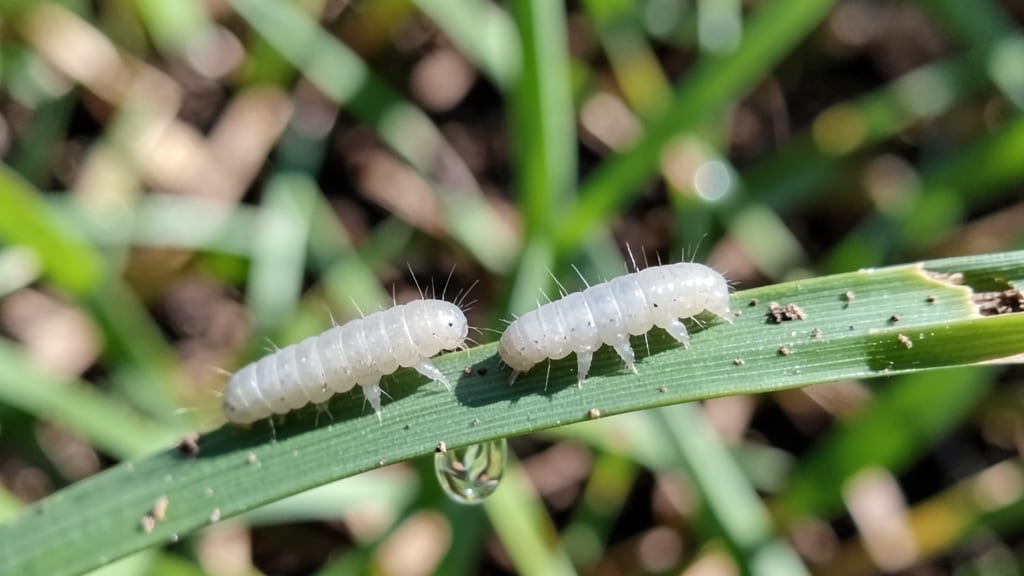
Lawn-eating bugs like grubs and chinch bugs can turn your green carpet into a patchwork of brown in no time. 🌱 I’ve battled them for years—until I discovered natural barriers that actually work without harsh chemicals. The key is understanding their behavior and outsmarting them before they strike.
Most infestations start with hidden damage: wilting grass, spongy patches, or birds pecking at the soil. Proper mowing, aeration, and choosing tough grass types like tall fescue cut off their food supply. I’ve seen grubs vanish within weeks after switching to a simple nematode treatment—no toxic sprays needed.
You’ll end up with a lawn that stays thick, green, and resilient all season. The secret lies in combining physical barriers (like diatomaceous earth) with biological controls (beneficial nematodes). Once you implement these, you’ll notice fewer brown spots and healthier grass roots within just a few weeks.
Works for any lawn type, from small suburban yards to large rural pastures. The right approach depends on your grass type and climate—but these methods adapt easily. Let’s get your lawn back to its best!
The Hidden Triggers Behind Lawn Devastation
Your lawn isn’t just a casual snack spot for hungry bugs—it’s a buffet they’re drawn to for very specific reasons. Understanding these triggers is the first step to outsmarting them. Let’s break down the science behind why these critters turn your green space into their personal dining hall.
Grass that’s too soft, overly moist, or overgrown isn’t just unsightly—it’s an open invitation for lawn-eating pests. Here’s why:
- Thatch buildup: A thick layer of dead grass and roots traps moisture, creating the perfect humid microclimate for insects like grubs and sod webworms. These pests thrive in damp, decaying organic matter.
- Weakened roots: Overwatering or poor drainage stresses grass, making it easier for bugs like chinch bugs to pierce stems and suck out nutrients. Weak grass = an all-you-can-eat buffet.
- Fungal feasts: Lawns with fungal infections (like dollar spot) attract insects that feed on the infected areas. For example, fungus gnats lay eggs in moist, diseased grass.
Actionable fix: Aerate annually to reduce thatch, mow at the right height (never below 1/3 of the blade length), and water deeply but infrequently to avoid soggy conditions.
Healthy soil isn’t just good for your lawn—it’s a goldmine for bugs. Certain pests target lawns with high nitrogen or organic matter because it signals easy access to food. Here’s the breakdown:
| Bug Type | Why They Love It | Signs of Infestation |
|---|---|---|
| Grubs (Japanese beetle larvae) | Feed on grass roots in nitrogen-rich soil. High organic content = more energy for them to grow. | Patches of brown, spongy grass that pulls up easily (like a carpet). |
| Chinch Bugs | Thrive in dry, sandy soils with high nitrogen. They inject toxins that kill grass, then feast on the weakened plants. | Yellow patches that expand rapidly, often near sidewalks or driveways. |
| Moles & Voles | Dig up lawns to eat grubs and worms, which are more abundant in fertile soil. | Tunnels or holes in the lawn, followed by chewed grass. |
Actionable fix: Conduct a soil test to balance nutrients. Avoid over-fertilizing—bugs will follow the food. Use slow-release fertilizers to prevent spikes in nitrogen.
Extreme temperatures and poor growing conditions weaken grass, making it vulnerable to pests. Bugs like armyworms and cutworms target stressed lawns because they’re easier to consume. Here’s how climate plays a role:
- Drought stress: Dry conditions force grass to divert energy to survival, leaving it thin and brittle. Grasshoppers and cutworms move in to take advantage.
- Heat waves: High temperatures accelerate grass growth, creating tender new shoots that chinch bugs and sod webworms find irresistible.
- Winterkill: Frozen or compacted soil prevents grass from recovering in spring, leaving it susceptible to fungus gnats and white grubs.
Actionable fix: Improve soil drainage, mulch to retain moisture, and choose drought-resistant grass varieties for your climate. Overseed bare spots in early fall to strengthen recovery.
Sometimes, the biggest culprits aren’t nature or pests—they’re our own lawn care mistakes. Here’s how common practices attract bugs:
- Overwatering: Creates standing water, which fungus gnats and sod webworms need to lay eggs. It also weakens roots, making grass easier to chew.
- Improper mowing: Cutting grass too short exposes roots and attracts chinch bugs. Bagging clippings removes organic matter that could feed beneficial insects.
- Ignoring pests early: Small infestations of grubs or armyworms can explode into full-blown outbreaks if left unchecked.
- Using the wrong fertilizers: Fast-acting fertilizers create nitrogen spikes that attract grubs and beetles.
Actionable fix: Adjust your routine: water deeply 2–3 times per week, mow at the highest recommended setting, and inspect your lawn weekly for early signs of pests (e.g., chewed blades, tunnels, or wilting patches).
Once you identify which triggers are at play in your yard, you can target the root cause—not just the symptoms. The next step? Learning how to build natural defenses that make your lawn less appealing (and more resilient) to these unwanted diners.
Natural Fixes for Lawn Munchers
Now that you know what’s chewing up your grass, it’s time to take action! The good news? You don’t need harsh chemicals to reclaim your lawn. With a mix of physical barriers, plant-based deterrents, and smart lawn care, you can outsmart these pests naturally.
Below, we break down the most effective solutions by cause—plus tips to keep your yard looking lush long-term.
Cause: Fat, creamy grubs munching on roots from below. Fix: Target their food source and habitat.
🔥 Step 1: Handpick & Drown (Quick Fix)
- When: Early morning or evening (grubs are near the surface after rain).
- How: Use a trowel to flip over small patches of sod.
Look for C-shaped white grubs (1/2"–1" long). Drop them into a bucket of soapy water to kill them instantly. - Pro Tip: 💡 Check for grubs in shady, moist areas first—they love damp soil.
🍳 Step 2: Feed Them Competition (Long-Term)
Grubs thrive on decaying grass clippings and organic matter.
Outsmart them by: - Aerating your lawn (rent a core aerator) to reduce thatch buildup. - Top-dressing with sand or compost (but avoid over-fertilizing with nitrogen). - Mowing high (3–4 inches) to shade out weeds that attract grubs.
🌡️ Step 3: Beneficial Nematodes (Micro-Battle)
These tiny, natural predators infect and kill grubs without harming your lawn.
- When to apply: Late spring or early fall (when grubs are young).
- How: Mix beneficial nematodes (like Heterorhabditis bacteriophora) with water and apply with a sprayer in the evening (they die in sunlight).
- Reapply every 4–6 weeks during grub season.
Cause: Tiny invaders that thrive in hot, dry, or overwatered grass. Fix: Adjust moisture levels and disrupt their lifecycle.
👨🍳 Step 1: Check for Thatch & Fix Watering
- Problem: Chinch bugs love thatch layers (that spongy layer between soil and grass).
- Solution:
- Dethatch if the layer is thicker than ½ inch.
- Water deeply but infrequently (1–1.5 inches per week).
Chinch bugs hate dry conditions. - Avoid overhead sprinklers—they love dampness!
🥘 Step 2: Diatomaceous Earth (DE) Dust-Off
- How: Sprinkle food-grade DE lightly over affected areas. It dehydrates insects without chemicals.
- Best time: Early morning (DE loses potency when wet).
- Reapply after rain or every 2–3 days.
🔪 Step 3: Milky Spore (For Japanese Beetle Grubs)
If sod webworms or Japanese beetle grubs are the issue:
- Apply milky spore powder (a natural bacteria) to the soil.
- Works best in warm, moist conditions—ideal for late spring/early summer.
- Takes 2–3 years to fully establish, but it’s long-lasting.
Cause: Fast-moving caterpillars that devour grass overnight. Fix: Physical barriers + pheromone traps.
⏰ Step 1: Set Up Pheromone Traps
- How: Hang armyworm or cutworm traps (available at garden centers) in May–July.
- Why? Traps disrupt mating, reducing egg-laying by 70–90%.
- Pro Tip: 🎯 Place traps 10–15 feet apart for best coverage.
🌿 Step 2: Handpick & Drop in Soap Water
- When: Early morning (they’re sluggish).
- How: Look for green or brown caterpillars (1–2 inches long) hiding under leaves. Drop them in hot, soapy water.
- Bonus: Check undersides of mulch and boards—they love hiding there.
🌡️ Step 3: Encourage Natural Predators
- Birds, toads, and parasitic wasps eat armyworms.
- How to attract them:
- Leave some leaf litter in shady spots.
- Plant native wildflowers (like dill or milkweed) to lure beneficial insects.
Once you’ve tackled the current infestation, keep these habits to stop future attacks:
| Problem | Prevention Hack | When to Do It |
|---|---|---|
| Grubs | Apply neem oil in early spring. | March–April |
| Chinch Bugs | Aerate + overseed with drought-resistant grass (like tall fescue). | Late summer/early fall |
| Armyworms | Mow high (3–4") to discourage egg-laying. | All season |
| Cutworms | Remove thatch and water deeply. | Spring & fall |
| All Pests | Diversify plants—bugs hate variety! | Year-round |
Final Pro Tip: 🌱 Rotate methods—don’t rely on just one. A mix of barriers, predators, and smart lawn care will keep your grass thick, healthy, and bug-free for years!
Frequently asked questions
How do I tell if my lawn damage is from bugs or disease?
Bug damage usually creates irregular brown patches that pull up easily (like sod lifting), while disease often appears as circular rings or powdery coatings. Look for chewed grass blades or tunnels in the soil—classic bug signs. Diseases rarely leave physical holes or chew marks.
Are there any bugs that actually help my lawn?
Ladybugs, ground beetles, and parasitic wasps eat harmful pests like grubs and chinch bugs. To attract them, avoid pesticides, leave some leaf litter in shady areas, and plant native wildflowers—they provide food and shelter for these helpful predators.
When is the best time to treat for lawn pests?
Early spring (March–April) and late summer (August–September) are critical windows. This is when grubs hatch and chinch bugs become most active. Apply treatments like nematodes or diatomaceous earth before they establish—never after you see major damage.
Will overwatering make my lawn more attractive to bugs?
Yes! Overwatering creates the perfect humid environment for grubs, fungus gnats, and chinch bugs. Water deeply but only 1–2 times per week (1–1.5 inches total). Let the top inch of soil dry between waterings—this disrupts the lifecycle of many lawn pests.
How long does it take to see results from natural treatments?
Most natural methods like nematodes or diatomaceous earth show improvement within 2–4 weeks, but complete eradication can take 2–3 months for severe infestations. Consistency is key—reapply treatments every 4–6 weeks during peak pest seasons (spring/fall).