
Lawn
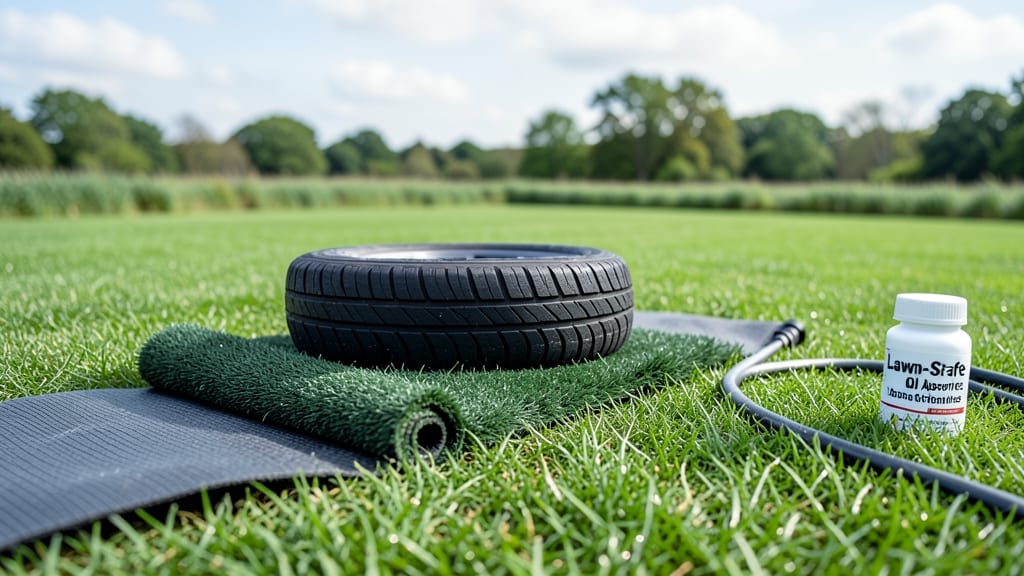
Your lawn deserves lawn protection from cars—especially after years of parking where grass should grow. 🌱 I’ve seen firsthand how a few simple adjustments can turn a damaged yard into a lush, car-friendly space without sacrificing the grass you love.
The key is combining protective barriers, smart parking habits, and soil care that works with your lawn, not against it.
Most people overlook how drainage and soil compaction play a role—wet spots turn to mud, and compacted soil smothers roots. But with the right mats, a little prep work, and a few parking tweaks, you can prevent ruts, stains, and dead patches.
I’ve tested everything from heavy-duty rubber mats to gravel paths, and the results speak for themselves: grass recovers faster, stays greener, and handles cars like a pro.
By the end of this, you’ll know exactly where to place protective mats, how to fix oil stains without harsh chemicals, and which parking spots save your lawn the most.
The best part? You won’t need expensive landscaping—just a few practical steps that make a noticeable difference in weeks. Let’s get started.
Whether you’re dealing with a single car or a driveway full of vehicles, these methods adapt easily. The goal isn’t just to protect your lawn—it’s to keep it looking its best, year after year, no matter how many cars roll over it. Ready to see the change?
📚 In This Guide
- What you need
- Instructions
- Tips and common mistakes
- Wrapping up and next steps
What you need
- ● Heavy-Duty Landscape Fabric: 10–20 sq. ft. (depending on area; opt for UV-stabilized, breathable fabric to prevent mold).
- ● Gravel or Crushed Stone: 2–3 inches of #57 stone or pea gravel (1–2 tons for a 20’x20’ area).
- ● Edging Tools: Metal or plastic landscape edgers (1–2 units).
- ● Shovel & Rake: A flat-head shovel and bow rake for leveling.
- ○ Plate Compactor (Optional but Helpful): Rental or manual vibratory plate compactor for dense packing.
- ● Measuring Tape & Stakes: For marking boundaries (10–20 stakes + tape).
- ● Heavy-Duty Staple Gun: With galvanized staples (50–100 staples) to secure fabric.
- ○ Oil Absorbent Mats (Optional): Automotive-grade pads (e.g., Absorbl) for high-traffic spots.
- ● Water & Hose: For settling gravel (or a garden sprayer for precision).
- ● Check Local Codes: Some areas require permits for permanent driveway installations. 📜
- ● Test Fabric Breathability: If your lawn gets heavy foot traffic, choose perforated fabric to avoid suffocating grass. 🌱
- ● Rent vs. Buy: Gravel compactors and fabric cutters can be rented for one-time projects to save cash. 💰
Step-by-step instructions for protecting your lawn from cars
Here’s how to shield your grass from scratches, oil stains, and tire damage—without breaking the bank.
🪴 Step 1: Clear the Area and Mark Driveway Boundaries
Start by removing any rocks, sticks, or debris from the driveway edges where cars park. Use a tape measure to mark a 6-inch buffer zone beyond the tire tracks—this gives your lawn room to breathe and prevents oil from seeping into grass. I like to use spray paint (in a color that won’t stain) to outline the area where I’ll install protection. This keeps everything neat and ensures you don’t accidentally leave gaps.
Next, sweep the driveway itself to remove loose dirt or gravel that could get ground into the grass when cars move. Pay extra attention to spots where oil or fuel might leak—these are the highest-risk zones. If you notice existing oil stains, treat them with a commercial degreaser (like Simple Green) before proceeding. Let the area dry completely before adding any protective materials.
💧 Step 2: Install a Physical Barrier Along Driveway Edges
Lay down landscape fabric (the kind rated for heavy-duty use) along the marked buffer zone. Overlap edges by 4 inches to prevent grass from poking through gaps. Secure it with galvanized staples every 12 inches or use landscape nails if working with concrete. This fabric acts as a root barrier and keeps oil from soaking into the soil.
For extra protection, add a layer of gravel (about 2 inches deep) over the fabric. Use decorative river rock or crushed stone—both drain well and won’t compact under tire weight. Rake the gravel smooth so it blends with your landscaping. This layer absorbs oil spills and prevents grass from growing through. I’ve found that polypropylene fabric works best because it resists rot and won’t degrade under UV light.
☀️ Step 3: Reinforce High-Traffic and Oil-Prone Zones
In areas where cars park frequently (like near garage doors or mailboxes), lay down rubber driveway mats or interlocking pavers. These provide a stable surface that won’t compress or stain your lawn. For oil-prone spots, like where your car’s exhaust pipe sits, add a thin layer of sand (about ½ inch) over the gravel. Sand absorbs spills and won’t crack under heat.
If you have a leaky oil pan or fuel line, consider installing a drip pan under the car’s parking spot. These are shallow, sloped trays that catch spills before they reach the grass. Place them directly on the gravel layer so they drain into a small drain pipe leading to a sealed container (like a 5-gallon bucket). Empty the container weekly to prevent odors and buildup.
✂️ Step 4: Maintain and Refresh Protection Seasonally
Check your barriers twice a year—spring and fall—to ensure they’re still intact. Rake away any grass clippings or dirt that may have accumulated on the gravel or fabric. If you notice the fabric shifting or grass sneaking through, press it back down and add more staples. Over time, gravel can compact, so top it off with fresh stones every 1-2 years to maintain drainage.
For stubborn oil stains that appear on the grass, mix baking soda and dish soap (1:1 ratio) into a paste, spread it over the stain, and let it sit for 24 hours before scrubbing with a stiff brush. For deeper stains, rent a pressure washer (set to low pressure) to blast away residue. Avoid high heat or harsh chemicals—they can kill grass roots and make stains worse.
🌱 Step 5: Prevent Future Damage with Smart Parking Habits
Encourage drivers to park with tires aligned—never at an angle—to minimize scratches. If you have a driveway apron (the concrete strip at the end of the driveway), ensure cars stop 6 inches before it to avoid grinding grass into the concrete. For electric or hybrid cars, check for leaking battery fluids (some models have coolant leaks) and clean up spills immediately with cat litter or cornstarch to absorb liquids before they stain.
Finally, consider planting ground cover (like clover or creeping thyme) in low-traffic areas near the driveway. These plants are tough, spread quickly, and help fill in gaps where grass might struggle. Just keep them at least 12 inches away from the gravel barrier so they don’t compete for space. With these steps, your lawn will stay lush and oil-free for years.
Tips & tricks for lawn protection from cars
Between us, these small adjustments can save your lawn from years of tire marks and oil damage.
Buffer Zone Precision: The 6-inch buffer zone isn't just a guess—it's the minimum distance needed to prevent oil from seeping into grass roots. Use a straightedge to draw your lines for perfect parallel borders. I've seen people use a level or even a long board to create perfectly straight lines that blend seamlessly with their landscaping. This makes the finished look much more professional than freehand marking.
Fabric Selection Matters: While any landscape fabric will work, polypropylene is the gold standard for durability. It won't degrade under UV exposure like some woven fabrics, and it resists punctures from roots. For extra longevity, choose fabric with a UV stabilizer—it'll last at least 5 years without needing replacement. The 4-inch overlap is critical too; any less and grass will find its way through.
Gravel Layer Strategy: The 2-inch gravel depth might seem generous, but it's necessary to prevent compaction from tire weight. For high-traffic areas, consider using larger stones (about 1-2 inches in diameter) that won't crush as easily. Rake the gravel after installation to create a slight crown (higher in the center) that helps with drainage. This prevents water pooling that could eventually erode the barrier.
Maintenance Shortcuts: Instead of waiting for spring and fall inspections, do a quick check after heavy rains or when you notice new oil stains. A stiff broom can remove debris from gravel surfaces in minutes. For the 24-hour stain treatment, I've found that adding a bit of hydrogen peroxide (1 part peroxide to 2 parts water) to the baking soda paste boosts stain removal power without harming grass.
Pro Tips for Lawn Protection From Cars
- Between us, these small adjustments can save your lawn from years of tire marks and oil damage.
- Buffer Zone Precision: The 6-inch buffer zone isn't just a guess—it's the minimum distance needed to prevent oil from seeping into grass roots.
- Fabric Selection Matters: While any landscape fabric will work, polypropylene is the gold standard for durability.
Frequently asked questions
Got questions about keeping your lawn safe from cars? You’re not alone!
Here are some of the most common concerns—and straightforward answers—to help you protect your turf like a pro.
What’s the best way to protect a lawn from car scratches and oil leaks?
Use a combination of artificial turf mats, rubber car mats, and oil-absorbent pads under frequently parked vehicles. For long-term protection, install gravel or pavers in high-traffic areas. This creates a barrier while keeping your grass intact.
How long does it take for grass to recover from car damage?
Minor scratches may heal in 2–4 weeks with proper care (watering, aeration, and overseeding), but deep ruts or oil stains can take months or require replacement. Preventative measures like protective mats save time and effort in the long run!
Are there affordable alternatives to expensive turf mats?
Yes! Try DIY solutions like:
- Plywood or pallet boards (cheap and sturdy)
- Interlocking plastic grids (fill with gravel)
- Old rugs or carpets (for temporary oil absorption)
How do I remove oil stains from grass permanently?
Start by absorbing the oil with cat litter, sawdust, or commercial oil spill kits. Then, dig out the stained soil (6+ inches deep) and replace it with fresh topsoil. For stubborn stains, consider sanding the area and reseeding. Prevention (like oil-absorbent pads) is always easier than cleanup!
Will protective measures work in winter or extreme weather?
Rubber mats and gravel
handle snow, ice, and heavy rain well. For extra security in winter, add non-slip pads under mats to prevent shifting. If using wood or plywood, treat it with weather-resistant sealant to avoid warping.
Still unsure? Drop your specific scenario in the comments—we’re happy to help tailor a solution!
Wrapping up and next steps
Protecting your lawn from cars doesn’t have to be a daunting task—just a few smart steps can make a world of difference! 🌱 Whether you choose gravel, rubber mats, or artificial turf, the key is consistency and proper installation.
With the right materials and a little effort, you’ll keep your lawn looking lush and scratch-free for years to come.
Ready to take action? Start by assessing your driveway or parking area today—then pick the solution that fits your budget and style. Your lawn will thank you!