
Lawn
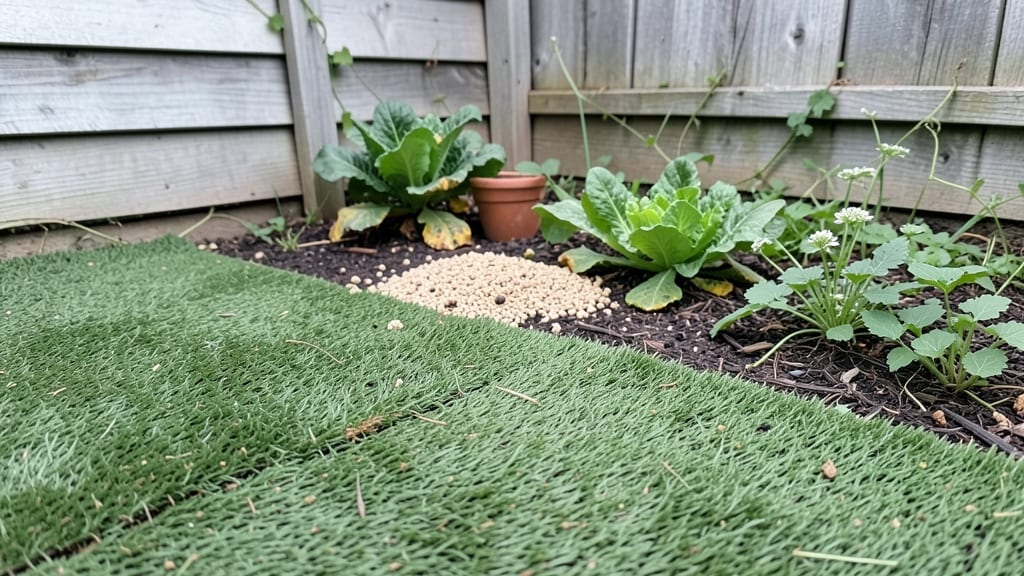
Lawn protection from dogs requires immediate action: use artificial turf patches in high-traffic areas, apply dog urine-neutralizing products, and train pets with designated potty spots. Mulch or gravel paths also help prevent soil compaction and grass damage.
Dog urine's high nitrogen content can scorch grass blades within hours, while paw traffic compacts soil, cutting off oxygen to roots. 🔥 I've seen lawns recover from light damage but struggle with repeated stress—think of it like a bruise that never fully heals.
The key is combining physical barriers (like artificial turf) with chemical neutralizers to break the damage cycle. Even well-trained dogs need backup solutions, especially during potty breaks or playtime.
For long-term fixes, consider clover grass blends—they're more urine-resistant than traditional lawns—or install gravel paths where dogs frequent. These alternatives reduce soil damage while keeping your yard functional. The upfront cost might seem high, but it saves money and frustration compared to constantly repairing dead patches.
💡 In This Article
- Why Dog Urine and Paws Harm Grass Roots
- Best Low-Maintenance Dog-Friendly Lawn Alternatives
Why dog urine and paws harm grass roots
Dog urine contains ammonia and urea at concentrations up to 10 times stronger than regular rainwater. When deposited on grass, this creates a pH spike to 8.5 or higher—far beyond the ideal range of 6.0-7.5 for most lawn grasses.
The high alkalinity burns grass blades within 6-12 hours, leaving behind crispy, yellow patches that struggle to recover. 🔥 Think of it like chemical sunburn—repeated exposure weakens the plant's ability to photosynthesize, starving the roots below.
The damage goes deeper than just surface burns. Paw traffic from dogs creates soil compaction that reduces pore space by up to 40% in high-traffic areas. This suffocates roots by blocking oxygen and water flow—similar to walking on a sponge until it can't hold moisture anymore.
The combination of chemical burns and physical stress creates a vicious cycle: weakened grass recovers slower, making it more vulnerable to future damage. Over time, this turns lush lawns into patchy, struggling landscapes.
Here's what's actually happening at the soil level: Dog urine's nitrogen content can temporarily boost grass growth, but the ammonia concentration (often 200-500 ppm) creates a toxic environment for soil microbes. These beneficial bacteria and fungi help break down organic matter and make nutrients available to roots.
When they're killed off, the soil loses its natural ability to support healthy grass growth. The result? Roots become shallow and brittle, making the lawn more susceptible to drought and disease.
For example, I've seen Kentucky bluegrass (a popular lawn choice) develop brown rings around dog potty spots where the urine was concentrated. The grass at the edges would recover, but the center remained dead for weeks.
This happens because the high pH disrupts the grass's ability to absorb essential nutrients like iron and manganese, even when the soil appears fertile. The damage isn't just visual—it's physiological, weakening the plant's cellular structure.
Even well-meaning dog owners underestimate how quickly this damage accumulates. A single dog can deposit 20-30 urine spots per day, each with the potential to create a 2-3 inch diameter burn mark. Over a month, that's enough to create visible dead zones that spread if not addressed.
The key factor is frequency: daily exposure to concentrated urine compounds the problem, while occasional incidents allow lawns to recover with proper care.
What most people don't realize is how soil pH plays a secondary role in this damage. While the immediate burn comes from ammonia, the lingering effects include soil acidification as the urea breaks down.
This creates a double whammy: first the alkaline burn, then the acidic aftermath that further stresses grass roots. The solution requires both neutralizing the immediate damage and restoring soil balance—something many quick fixes miss. ✨