
Lawn
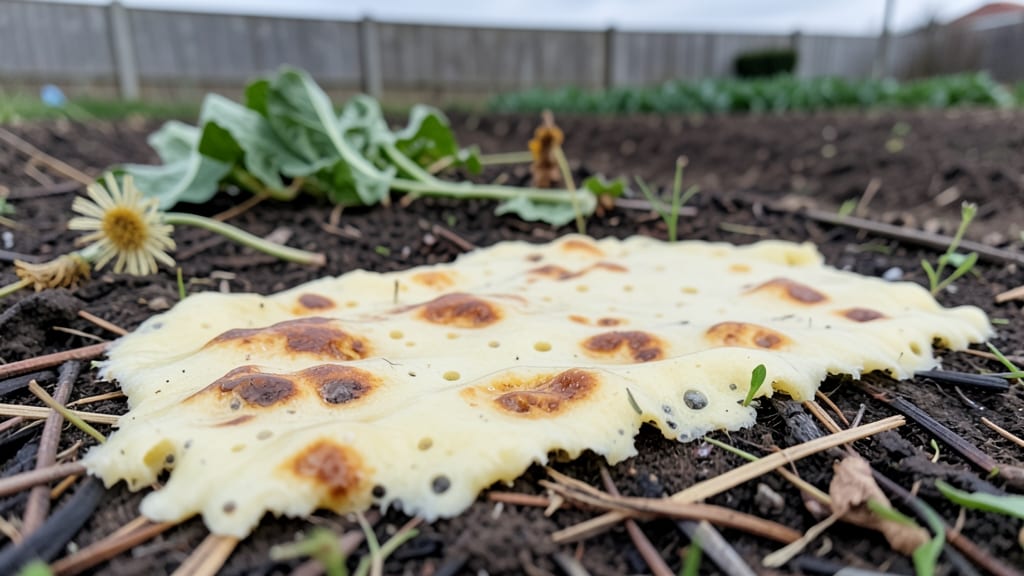
When your lawn looks like someone splattered neon yellow goo across it, you’re dealing with slime mould—not algae, not fungus, but a weird, fast-spreading organism that turns your grass into a science experiment. 🌱 I’ve battled this after heavy rain or damp shade, and the good news?
It disappears just as quickly as it appears once you know the right moves.
The slimy yellow patches you’re seeing are actually a single, sprawling organism called Fuligo septica—it thrives when lawns stay too wet for too long, especially after cool, damp springs. Most people panic and grab harsh chemicals, but the fastest, safest fix is actually letting nature handle it.
Within days, the mould dries up and crumbles away, leaving no trace behind.
You’ll need just a few simple steps: rake up the dried slime when it turns brittle (usually within 3-5 days), improve drainage in problem areas, and avoid heavy watering until the grass recovers.
The key is acting fast—once it’s gone, your lawn bounces back with no lasting damage, and you’ll never confuse it for moss or algae again.
For stubborn cases or large lawns, organic treatments like hydrogen peroxide (mixed 1:3 with water) can speed up the process, but prevention—proper mowing height, occasional aeration, and avoiding overwatering—keeps it from coming back.
No need for chemicals unless you’re dealing with a recurring outbreak, and even then, a targeted approach works best.
The hidden triggers behind fungal growth
That slimy, neon-green or yellowish mess creeping across your lawn isn’t just an eyesore—it’s a sign of ideal conditions for Physarum polycephalum and other slime molds. These fascinating yet frustrating organisms thrive when specific factors align, turning your grass into their personal buffet.
Let’s break down the key culprits behind their sudden appearance and why your lawn becomes their perfect party spot.
Slime molds are water-loving opportunists. When your lawn stays damp for extended periods—whether from overwatering, poor drainage, or frequent rain—they get the signal to spread. These organisms don’t have roots or leaves; instead, they absorb moisture directly from the soil and decaying organic matter.
Think of them like sponges: the wetter the environment, the faster they grow.
- Overwatering: Watering your lawn daily or leaving sprinklers running for long periods creates a perpetually soggy surface. Slime molds can erupt within 24–48 hours of excessive moisture.
- Poor drainage: Compacted soil, clay-heavy ground, or low-lying areas trap water, turning your lawn into a slime mold hotspot. Even a slight depression can become a breeding ground.
- Morning dew + shade: Areas that stay shady and damp (like under trees or fences) retain moisture longer, giving slime molds a head start.
Actionable fix: Test your soil’s drainage by digging a 6-inch hole, filling it with water, and timing how long it takes to drain. If it’s slower than 4–6 hours, you’ve got a drainage issue. Aerate compacted soil and consider sand or organic matter amendments to improve water flow.
Slime molds don’t photosynthesize like plants—they feed on dead organic material. Leaves, grass clippings, mulch, and even decomposing wood or animal waste become their all-you-can-eat buffet. When these materials pile up in your lawn, they create a nutrient-rich soup that slime molds can’t resist.
- Thatch buildup: A thick layer of thatch (dead grass and roots) smothers your soil, trapping moisture and organic debris. Slime molds thrive in this damp, decaying layer.
- Unraked leaves: Fallen leaves create a moist, shaded microclimate perfect for slime mold growth. A single layer of leaves can trigger an outbreak within a week.
- Mulch overuse: While mulch helps retain soil moisture, too much (especially wood chips) can lead to anaerobic conditions, encouraging slime mold spores to germinate.
Actionable fix: Remove thick layers of organic debris—rake up leaves, dethatch if the layer is over ½ inch thick, and avoid piling mulch directly against grass. For thatch, use a dethatching rake or verticutting tool in early spring.
Slime molds are temperature-sensitive. They peak in activity during warm, humid conditions—typically between 60°F and 80°F (15°C–27°C). When nights are cool and days are warm, the ideal humidity for spore germination and growth is met.
This is why outbreaks often spike in spring and fall, when moisture levels are high but temperatures are moderate.
- High humidity: Air humidity above 70% keeps the lawn’s surface damp longer, delaying evaporation and prolonging slime mold activity.
- Temperature swings: Rapid shifts (e.g., cool nights + warm days) create condensation on grass blades, mimicking a dew-covered lawn—a slime mold’s dream.
- Rainfall timing: Heavy rain followed by warm, sunny days can trigger outbreaks, as the sun heats the damp soil, activating dormant spores.
Actionable fix: Monitor your local humidity and temperature forecasts. If humidity is consistently high, water in the early morning (when evaporation is fastest) and avoid evening watering. Use a soil thermometer to track conditions—slime molds are less likely to spread if soil temps stay below 65°F (18°C).
Healthy lawns with diverse microbes and grass naturally outcompete slime molds. But when soil is compacted—from foot traffic, heavy machinery, or clay-heavy ground—roots struggle to penetrate, leading to weak grass and poor nutrient cycling. This creates gaps where slime molds can move in unchecked.
- Reduced aeration: Compacted soil limits oxygen flow, creating anaerobic pockets where slime molds (which don’t need oxygen) thrive.
- Weakened grass: Stressed grass can’t recover quickly from moisture or organic buildup, giving slime molds more surface area to colonize.
- Fungal dominance: Compacted soil shifts the microbiome balance, favoring decomposers like slime molds over beneficial bacteria and fungi.
Actionable fix: Aerate your lawn in early fall or spring using a core aerator (removes small soil plugs). Follow up with overseeding and a light top dressing of compost to improve soil structure. For high-traffic areas, consider sand topdressing to reduce compaction.
Now that you know why slime molds crash your lawn party, the next step is how to stop the spread. The good news? Most outbreaks are temporary—once conditions dry out or temperatures shift, the slime often retreats on its own.
But if you want to prevent future invasions, addressing these triggers head-on is your best defense.
Quick Fixes for Slimy Grass
Slime mould on your lawn might look like a science experiment gone wrong, but don’t worry—it’s usually harmless and easier to remove than you think. The key is identifying the cause and applying the right treatment.
Below, we’ve broken down the most common reasons slime mould appears and the simplest, most effective ways to tackle it. Plus, we’ll share some easy prevention tips to keep your lawn looking lush and slimeless!
Slime mould thrives in damp, shaded, or poorly drained areas. If your lawn feels soggy or hasn’t dried out after rain, the mould will stick around.
How to Fix It:
- 🔥 Wait for Dry Weather: Avoid walking on or treating the lawn until it’s completely dry. Slime mould disappears on its own once moisture levels drop.
- 👨🍳 Improve Drainage: If your lawn stays wet for days, consider aerating compacted soil or installing a French drain to redirect water.
- 🌡️ Use a Fan: On humid days, run a fan over the affected area for 10–15 minutes to speed up evaporation.
💡 Pro Tip: Mow your lawn when it’s dry to prevent moisture buildup in the thatch layer.
Leaves, twigs, and thatch create the perfect breeding ground for slime mould. If your lawn is cluttered, it’s time for a cleanup.
How to Fix It:
- 🔪 Rake Thoroughly: Remove all debris, especially in shaded or low-traffic areas where mould loves to hide.
- 🥘 Dethatch if Needed: If your lawn has a thick layer of thatch (over ½ inch), use a dethatching rake to loosen it up and improve airflow.
- 🌿 Aerate Compacted Soil: Use a core aerator to create holes in the soil, allowing water to drain and roots to breathe.
💡 Pro Tip: After raking, spread a thin layer of compost to help break down remaining organic matter naturally.
Slime mould loves shade because it keeps the ground damp longer. If your lawn has patches of dense trees or structures blocking sunlight, mould will keep coming back.
How to Fix It:
- 🌳 Trim Overhanging Branches: Prune trees or shrubs to let more sunlight reach the grass.
- 🏡 Adjust Irrigation: Water early in the morning so moisture evaporates before evening. Avoid evening watering, which keeps grass damp overnight.
- 🌱 Choose Sun-Loving Grass: If shade is unavoidable, switch to shade-tolerant grass varieties like fine fescue or Kentucky bluegrass.
💡 Pro Tip: If you can’t reduce shade, consider replacing the affected area with ground cover or mulch instead of grass.
Most slime moulds are non-toxic and don’t require harsh chemicals. However, if the slime is thick and persistent, a light fungicide might help—but it’s rarely necessary.
How to Fix It (If Absolutely Needed):
- ✨ Use a Mild Fungicide: Look for a non-toxic, organic fungicide (like copper-based or hydrogen peroxide sprays) and apply only if the mould keeps returning after drying and cleaning.
- 🚫 Avoid Harsh Chemicals: Stay away from bleach or strong synthetic fungicides—they can harm your grass and the environment.
- 🌱 Re-seed Bare Spots: If the mould has killed patches of grass, rake the area, spread seed, and water lightly to encourage regrowth.
💡 Pro Tip: If you do use a fungicide, apply it only to the affected area and follow the label instructions carefully.
Once you’ve banished the slime, here’s how to stop it from coming back:
- 🌡️ Mow High: Keep grass at 3–4 inches tall to improve airflow and reduce moisture retention. - 💧 Water Deeply but Less Often: Water early in the day and aim for 1–1.5 inches per week (including rain).
Avoid daily light watering. - 🍂 Clean Up Debris Regularly: Rake leaves and twigs at least once a week during fall. - 🌿 Test Your Soil: If your lawn is consistently damp, a soil test can help determine if drainage or pH adjustments are needed.
Final Thought: Slime mould is more of a nuisance than a threat, and with these simple steps, you’ll have your lawn looking green and healthy in no time. The key is drying it out, cleaning up, and preventing future moisture buildup—no fancy tools or chemicals required! 🌱✨
Frequently asked questions
Is lawn slime mould harmful to grass or pets?
No, lawn slime mould is completely harmless to your grass and pets! It’s a non-parasitic organism that feeds on decaying organic matter, not living plants. Pets can walk on it without any risk—it’s not toxic and won’t cause skin irritation or digestive issues.
Why does slime mould keep coming back after I clean it up?
If slime mould keeps reappearing, your lawn likely has persistent moisture issues. Check for poor drainage, compacted soil, or excessive shade—these create the perfect breeding ground. Focus on improving airflow, reducing thatch buildup, and adjusting your watering schedule to early morning only.
Can I use vinegar or bleach to kill lawn slime mould?
Skip the bleach—it can harm your grass and soil! While white vinegar (1:1 with water) may help as a natural disinfectant, it’s not the most effective solution. Instead, opt for hydrogen peroxide (3% solution, diluted 1:3 with water) or simply wait for dry weather to let the mould dry up naturally.
How long does it take for slime mould to disappear on its own?
Most slime mould outbreaks vanish within 3–5 days once conditions dry out. If your lawn stays damp, it may linger for up to 1–2 weeks. The key is patience—avoid disturbing it while it’s active, as this can spread spores and prolong the problem.
Will aerating my lawn prevent slime mould?
Aeration improves soil drainage and reduces thatch buildup, two major triggers for slime mould. Aim to aerate in early fall or spring using a core aerator, then overseed to strengthen grass density. This combo cuts off the mould’s food and water sources.