
Lawn
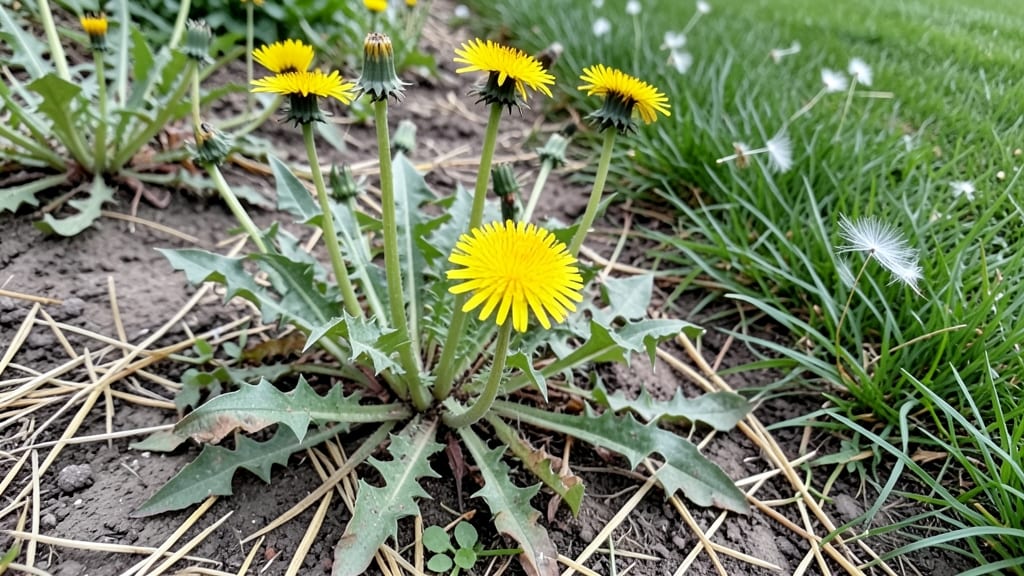
Those bright lawn weeds with yellow flowers popping up in your grass aren’t just pretty—they’re dandelions, clover, or chickweed, and they’re stealing nutrients from your lawn. 🌱 I’ve spent years battling these stubborn weeds, and I’ve learned the three-stage approach that actually works. spot them early, pull them out before they seed, and prevent new ones from taking hold.
Most people wait until the weeds are everywhere before acting, but that’s when they’re hardest to remove. The key is weekly checks—especially after rain—so you catch them when they’re small.
A simple hand-pulling tool or a dandelion digger makes this job faster, and I’ve found that evening pulls (when the soil is damp) mean less resistance. Plus, you’ll save your back from bending over all day.
By the time you’re done, your lawn will look thicker and greener without those pesky yellow invaders. The secret isn’t just pulling—it’s smothering bare spots with grass seed and keeping your lawn healthy so weeds have no room to grow.
Trust me, once you see the difference, you’ll never ignore those early blooms again.
This method works in any climate, from dry Western lawns to humid Southern pastures. The only thing that changes is the timing—cool seasons mean more chickweed, while summer brings out dandelions. Let’s get your lawn back to just grass.
Root Causes of Yellow-Blooming Lawn Invaders
Yellow-flowered weeds aren’t just an eyesore—they’re a sign your lawn is sending out distress signals. Understanding why these weeds thrive helps you tackle the problem at its source.
Below, we break down the key factors that turn your grass into a weed buffet, complete with actionable insights to reclaim your yard.
Weeds with vibrant yellow blooms often exploit weak spots in your lawn’s foundation. When your soil lacks essential nutrients—like nitrogen, phosphorus, or potassium—your grass struggles to compete. Yellow-flowered weeds, such as dandelions or clover, thrive in these conditions because they:
- Adapt quickly: They grow deep roots to access nutrients your grass can’t reach.
- Fix nitrogen: Some, like clover, pull nitrogen from the air, making them resilient in depleted soil.
- Outcompete grass: Weak grass leaves gaps, giving weeds open space to spread.
Actionable fix: Conduct a soil test to identify deficiencies. Amend soil with compost or a balanced fertilizer (like 10-10-10) to restore health. Pro tip: 💡 Top-dress with 1–2 inches of compost annually to prevent nutrient gaps.
Yellow-flowered weeds love moisture—but not the kind that keeps grass lush. Overwatering or inconsistent watering creates the perfect storm for their growth:
- Shallow roots: Grass with erratic watering develops shallow roots, while weeds like chickweed or henbit thrive in damp, compacted soil.
- Weed seeds germinate: Many yellow-flowered weeds (e.g., dandelions) lie dormant until soil stays moist for days.
- Fungal growth: Overwatered lawns foster Fusarium or Rhizoctonia fungi, which weaken grass and invite weeds.
Actionable fix:
- Water deeply 1–2 times per week (early morning, 1–1.5 inches total).
- Fix sprinkler issues to avoid patchy wet/dry zones.
- Improve drainage with sand or gypsum if soil stays soggy.
Yellow-flowered weeds often dominate lawns that are either too sunny (stressing grass) or too shady (limiting grass growth). Here’s how:
| Scenario | Weed Culprits | Why It Happens |
|---|---|---|
| Full sun exposure | Dandelions, Crabgrass | Grass like Kentucky bluegrass wilts in intense heat, leaving bare spots for weeds. |
| Heavy shade (under trees) | Clover, Creeping Charlie | Shade-tolerant weeds outcompete grass that needs 4–6 hours of sunlight. |
Actionable fix:
- Sunny lawns: Choose heat-resistant grass (e.g., Zoysia or Buffalo grass) and mulch tree roots to reduce stress.
- Shady lawns: Overseed with fine fescue or shade-tolerant clover (if you tolerate some yellow blooms).
Gaps in your lawn—from foot traffic, pets, or disease—create entry points for yellow-flowered weeds. Here’s the science:
- Competition gap: Weeds like plantain or mallow spread aggressively in bare soil.
- Seed bank activation: Disturbed soil exposes dormant weed seeds to light, triggering germination.
- Moisture retention: Compacted or trampled areas hold water longer, favoring weeds.
Actionable fix:
- Repair bare spots with grass seed (match your lawn type).
- Use a lawn roller to reduce compaction after overseeding.
- Avoid scalping (cutting grass too short), which weakens roots.
Next up: How to identify these weeds by their yellow blooms and leaf patterns—so you can target them before they spread! 🎯
Targeted Weed Removal Strategies
Now that you know what’s causing those pesky yellow-flowered weeds to pop up in your lawn, it’s time to tackle them head-on. The good news? With the right approach, you can reclaim your grass—without resorting to harsh chemicals or backbreaking labor.
Below, we’ve mapped out practical, step-by-step solutions tailored to the most common causes, plus prevention tips to keep your lawn lush and weed-free long-term.
If your lawn stays soggy or gets drenched too often, weeds like dandelions, chickweed, or buttercups thrive in damp conditions. Here’s how to dry them out and crowd them out:
🍳 Step 1: Improve Soil Drainage
- Test your soil with a simple moisture probe or dig a small hole—if water pools after 30 minutes, drainage is poor.
- Amend the soil with compost or sand (for clay-heavy lawns) or gypsum (for compacted soil). Mix it into the top 2–3 inches.
- Aerate your lawn in early fall or spring using a core aerator to create channels for water escape.
👨🍳 Step 2: Adjust Your Watering Routine
- Water deeply but less often: Aim for 1–1.5 inches per week, including rain. Use a rain gauge or tuna can to measure.
- Water in the morning (before 10 AM) to reduce evaporation and fungal risks.
- Fix sprinkler issues: Check for misaligned heads or overwatering zones—adjust or replace them.
🥘 Step 3: Overseed to Outcompete Weeds
- Choose a dense, shade-tolerant grass mix (like fine fescue or Kentucky bluegrass) if your lawn is thin.
- Spread seed after aerating, then lightly rake and keep soil moist for 2–3 weeks.
- Apply a starter fertilizer (low nitrogen, high phosphorus) to encourage fast germination.
✨ Pro Tip: If drainage is hopelessly bad, consider sanding or leveling low spots—but only in dry weather to avoid compacting soil further.
Weeds like clover, plantain, or creeping Charlie love compacted soil because they can’t compete with healthy grass roots. Here’s how to break the cycle:
🔪 Step 1: Decompact the Soil
- Rent or buy a core aerator (spike aerators do more harm than good).
- Go over the lawn in two directions (like a crosshatch) for best results.
- Top-dress with compost (¼ inch layer) to improve soil structure and fertility.
💡 Step 2: Reduce Foot Traffic
- Designate a play area for kids/pets to avoid trampling the same spots.
- Use stepping stones or paths in high-traffic zones (like near patios).
- Mow less often (but higher—3–4 inches)—taller grass shades out weeds and recovers faster.
🎯 Step 3: Fertilize Smartly
- Test your soil (DIY kits from garden centers work) to check pH and nutrient levels.
- Apply a slow-release, balanced fertilizer (like 10-10-10) in early fall or spring.
- Avoid high-nitrogen fertilizers in summer—they promote fast (but weak) grass growth that weeds exploit.
If your grass is sparse, weeds fill the gaps like unwanted guests at a party. Here’s how to choke them out naturally:
🌱 Step 1: Fill Bare Spots
- Rake out dead grass/weeds in small patches (about 2x2 inches).
- Scratch the soil lightly with a rake to rough up the surface.
- Spread grass seed and top with a thin layer of compost (no more than ¼ inch).
- Keep moist (not soggy) until new grass sprouts (usually 7–14 days).
💪 Step 2: Strengthen Existing Grass
- Mow high (3–4 inches) to encourage deep roots and shade out weeds.
- Use a sharp mower blade—dull blades tear grass, stressing it and inviting weeds.
- Apply a pre-emergent herbicide in early spring (like corn gluten meal) to block weed seeds from germinating.
🌿 Step 3: Choose the Right Grass for Your Climate
- Cool-season grasses (Kentucky bluegrass, ryegrass): Best for northern climates.
- Warm-season grasses (Bermuda, Zoysia): Thrive in southern heat.
- Shade-tolerant options (fine fescue, St. Augustine): Ideal for low-light areas.
Once your lawn is healthy, consistent maintenance is key. Here’s how to stop weeds before they start:
- 🌡️ Mow regularly—never remove more than ⅓ of the grass blade at once.
- 🔄 Dethatch annually if your lawn has a thick layer of debris (over ½ inch).
- 🌱 Overseed thin areas in fall—this is the #1 weapon against weeds.
- 🚫 Pull weeds early (when they’re small) to prevent seed spread.
- 🌿 Use mulch around garden beds to block weed seeds from reaching sunlight.
- 💧 Water deeply and infrequently—weeds hate dry soil!
Final Note: Patience is key—it can take 1–2 seasons to fully restore a weed-heavy lawn. But once your grass is thick and healthy, those yellow flowers will have nowhere to hide! 🌱✨
Frequently asked questions
Why do yellow-flowered weeds appear after rain?
Rain triggers dormant weed seeds to germinate, especially in compacted or nutrient-poor soil. Many yellow-flowered weeds like dandelions and chickweed need consistent moisture to sprout. The best defense? Improve drainage and overseed bare spots after rain to outcompete them.
Are there any yellow-flowered weeds that are actually good for lawns?
Yes! White clover has yellowish flowers and fixes nitrogen in the soil, benefiting grass. However, it can spread aggressively—best for organic lawns where you tolerate some yellow blooms. Avoid if you prefer a uniform green lawn.
What's the fastest way to remove established dandelions with yellow flowers?
Use a dandelion digger (or screwdriver) to extract the entire root—including the taproot. Pull when soil is damp (after rain or watering) for easier removal. For large patches, spot-treat with vinegar-based herbicide (90% vinegar + 10% dish soap) on sunny days.
Can I mow over yellow-flowered weeds to control them?
Mowing alone won't eliminate weeds but helps when combined with other methods. Set your mower to 3–4 inches to shade out weeds and prevent seed spread. For best results, mow frequently and remove clippings if they're heavily infested with weed seeds.
How do I prevent yellow-flowered weeds from coming back next year?
Focus on soil health and grass density: aerate annually, overseed thin areas in fall, and apply pre-emergent herbicide (like corn gluten meal) in early spring. A thick lawn crowds out weeds naturally—aim for 70%+ grass coverage.