
Neem Oil
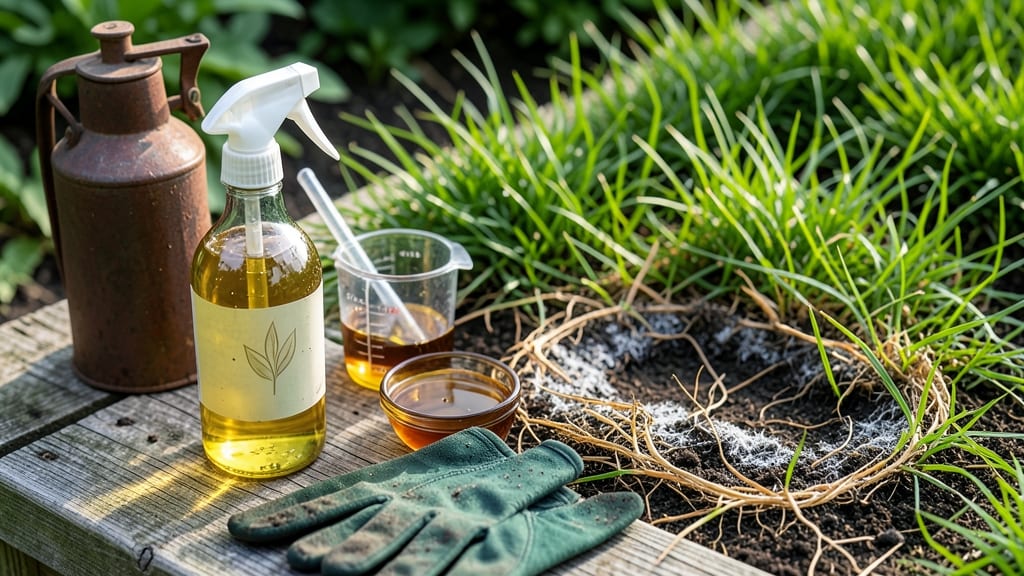
When your lawn looks dull and patchy, neem oil is the organic secret weapon that restores that vibrant green. 🌱 I’ve used it to turn brown, fungus-ridden grass back into a lush carpet—without harsh chemicals.
The key is understanding how to apply it correctly for maximum impact against common lawn fungi like brown patch and dollar spot.
Neem oil works by disrupting fungal cell walls, starving them of nutrients, and preventing spores from germinating. Unlike synthetic fungicides, it’s safe for kids and pets once fully absorbed—just avoid applying it when rain is forecasted.
A simple spray mix (1 tablespoon neem oil per gallon of water with a drop of dish soap as a surfactant) does the trick.
You’ll notice improvements within 7-10 days of consistent applications, with full recovery in 3-4 weeks for mild infections. The best part? It also deters pests like grubs and chinch bugs, giving your lawn double protection. For stubborn cases, combine it with baking soda or hydrogen peroxide for extra fungal-fighting power.
Prevention is easier than treatment—apply neem oil every 4-6 weeks during peak fungal season (spring and fall) to keep your lawn healthy. The smell fades quickly, and the results speak for themselves: grass that stays green, strong, and fungus-free all season long.
The Hidden Triggers Behind Lawn Fungus
Fungal infections in your lawn aren’t just random bad luck—they’re often the result of specific conditions that create the perfect storm for spores to thrive. Understanding these triggers is the first step to preventing and treating fungus naturally with neem oil and other organic solutions.
Below, we break down the most common causes, backed by science, so you can address the root of the problem.
Fungi love moisture, and when your lawn stays soggy for too long, it becomes a fungal buffet. Here’s why:
- Excessive moisture creates a damp environment where fungal spores germinate and spread. Most lawn fungi thrive in soil with a moisture content above 50%—far higher than what healthy grass needs. - Poor drainage (clay soil, compacted ground, or low-lying areas) traps water, preventing roots from drying out.
This is especially problematic in shady or low-traffic areas where airflow is limited. - Irrigation habits matter: Watering late in the day (after sunset) leaves grass blades wet overnight, giving fungi a 24-hour head start. Aim for early morning watering (before 10 AM) to allow foliage to dry quickly.
Actionable fix: Test your soil’s drainage by digging a 6-inch hole and filling it with water. If it drains in less than 6 hours, you’re in the clear. If not, aerate compacted soil and consider sand or compost amendments to improve porosity.
A thick layer of thatch (dead grass, roots, and debris) acts like a fungal blanket, trapping moisture and blocking airflow. Here’s how it happens:
- Thatch > ½ inch thick creates a perfect microclimate for fungi like red thread or dollar spot. It insulates the soil, keeping it cool and moist—ideal for spore growth. - Compacted soil reduces oxygen flow to roots, weakening grass and making it more susceptible to stress-related fungal infections.
Compacted areas often appear spongy when walked on and may have a grayish tint beneath the surface. - Over-fertilization (especially with high-nitrogen fertilizers) can accelerate thatch buildup by promoting rapid top growth while starving roots of nutrients.
Actionable fix:
- Dethatch in early spring or fall using a rake or vertical mower (set to lift thatch, not scalp grass).
- Aerate compacted soil in the fall (when grass is actively growing) to relieve pressure and improve root respiration.
- Adjust mowing height: Taller grass (3–4 inches) shades out weeds and reduces thatch accumulation.
Fungi target stressed grass like a lion spots a weak gazelle. When your lawn lacks key nutrients or suffers from imbalances, it becomes an easy target. Here’s the science:
- Nitrogen deficiency leads to pale, yellowing grass that’s more vulnerable to snow mold or pink patch. Fungi exploit weakened cell walls. - Potassium deficiency reduces the grass’s ability to resist disease, making it prone to brown patch or dollar spot.
Potassium strengthens cell membranes—without it, fungi break through easily. - Overuse of synthetic fertilizers can disrupt the soil microbiome, promoting pathogenic fungi while suppressing beneficial microbes that naturally suppress disease.
Actionable fix:
- Soil test first: Use a DIY test kit or send a sample to a lab to check pH (ideal: 6.0–7.0) and nutrient levels.
- Balance your approach: Use a slow-release organic fertilizer (like compost or fish emulsion) to avoid nitrogen spikes. For fungal-prone areas, add potassium-rich amendments like greensand or wood ash (sparingly).
- Top-dress with compost: A ¼-inch layer in the fall adds beneficial microbes that outcompete harmful fungi.
Fungi thrive in low-light, high-humidity environments—think of them as the vampires of your lawn. Here’s why shade creates problems:
- Reduced photosynthesis in shaded areas weakens grass, making it slow-growing and thin. Fungi like gray leaf spot or melting out (a summer fungus) exploit this weakness. - Stagnant air in dense grass or under trees traps condensation and spores, creating a fungal feedback loop.
Poor airflow also delays drying after watering or dew. - Tree canopies drop leaves and branches that block sunlight and smother grass, while also providing organic matter that fungi decompose.
Actionable fix:
- Thin out dense grass in shaded areas by overseding with shade-tolerant grasses like fine fescue or creeping red fescue.
- Prune overhanging branches to improve light penetration (but avoid excessive trimming, which can stress trees).
- Use a leaf blower in fall to remove debris from shaded spots, reducing fungal food sources.
Fungi don’t just strike in summer—they’re opportunists that exploit temperature swings, drought, and frost. Here’s how:
- Hot, humid summers (ideal for dollar spot or brown patch) create surface moisture that fungi need to spread. Grass blades stay wet longer in high heat. - Frost or snow mold thrives in winter when grass is dormant but still alive beneath a snow blanket.
The snow’s weight compacts soil, while thawing cycles create moisture pockets. - Drought stress weakens roots, making grass more susceptible to fungal invasion once water returns (a phenomenon called "drought stress syndrome").
Actionable fix:
- Adjust watering in extreme heat: Water deeply but infrequently (1–1.5 inches per week) to encourage deep roots. Early morning is key—avoid evening watering, which prolongs leaf wetness.
- Aerate before winter: Helps prevent snow mold by improving drainage under snow.
- Mow high in late summer: Set your mower to 3–4 inches to shade soil and retain moisture during drought.
Grass isn’t just attacked by fungi—insects and grubs create entry points for infections. Here’s the connection:
- Grubs (white grubs, chinch bugs) feed on roots, weakening grass and leaving it vulnerable to fungal root rots like take-all patch.
- Chinch bugs suck sap from grass, causing yellow patches that fungi like melting out quickly colonize.
- Mechanical damage (from pets, foot traffic, or equipment) creates wounds where fungal spores can invade.
Actionable fix:
- Monitor for pests: Look for chewed grass blades (grubs) or tiny black bugs (chinch bugs) in early summer.
- Apply neem oil as a deterrent: Spray neem oil (mixed with water and a surfactant) in early evening to repel pests and prevent fungal entry points.
- Reduce foot traffic in high-risk areas (like kids’ play zones) and repair compacted spots with sand or compost.
Natural Fixes for Fungal Lawn Woes
Fungal lawn problems can feel like an uphill battle, but with the right approach, you can restore your grass to its lush, green glory—naturally! Neem oil isn’t just a remedy; it’s a preventive powerhouse when used correctly.
Below, we’ll break down the most common fungal issues, their causes, and step-by-step solutions using neem oil and other organic methods. Plus, we’ll share pro tips to keep your lawn fungus-free long-term.
Cause: Overwatering, poor drainage, or thick thatch layers create the perfect damp, warm environment for Rhizoctonia solani to thrive.
How to Fix It:
- 🔥 Stop Watering at Night
- Water early in the morning (before 10 AM) to allow grass to dry quickly. Avoid evening watering, which keeps blades damp overnight—fungus loves this.
- ✂️ Mow Higher (But Not Too High!)
- Set your mower to 3–4 inches to improve airflow and shade out soil moisture. Tall grass = fungus paradise.
- 🌿 Apply Neem Oil Fungicide
- Mix: 2 tbsp neem oil + 1 tsp mild liquid soap (as an emulsifier) + 1 gallon of water.
- Spray: Drench affected areas (and nearby healthy grass as a preventative) every 7–10 days for 3–4 weeks.
- Best time: Early morning or late afternoon to avoid burning grass in direct sunlight.
- 💧 Improve Drainage
- Aerate compacted soil in fall or spring to let water drain. Top-dress with compost or sand to break up thatch.
💡 Pro Tip: If brown patches persist, test your soil’s pH—fungus thrives in acidic soil (below 6.0). Adjust with lime if needed.
Cause: Cool, humid nights and nitrogen-heavy fertilizers weaken grass, making it susceptible to Sclerotinia homoeocarpa.
How to Fix It:
- 🍳 Adjust Your Fertilizer Routine
- Switch to a slow-release, organic fertilizer (like fish emulsion or compost tea) and reduce nitrogen temporarily.
- Over-fertilizing = stressed grass = fungus buffet.
- 👨🍳 Neem Oil + Baking Soda Combo
- Mix: 1 tbsp neem oil + 1 tbsp baking soda + 1 gallon water.
- Spray: Lightly mist affected areas every 5–7 days until new growth appears. Baking soda raises pH slightly, making the environment less hospitable to fungus.
- 🌡️ Boost Grass Resilience
- Overseed with fungus-resistant grass varieties (e.g., tall fescue or Kentucky bluegrass).
- Water deeply but less frequently—drought-stressed grass is fungus-prone!
- 🔪 Remove Severely Infected Grass
- If patches are crispy and dead, rake them out and replace with fresh seed or sod. Don’t leave dead material—it’s a fungus breeding ground.
💡 Pro Tip: Dollar spot loves thatch layers over ½ inch thick. Dethatch in early fall to starve the fungus.
Cause: Warm, humid weather + excessive nitrogen triggers Puccinia spores, turning grass a rusty orange.
How to Fix It:
- 🥗 Cut Back on Nitrogen
- Fungus loves lush, soft grass. Switch to a balanced fertilizer (e.g., 10-10-10) or organic options like kelp meal.
- 🍽️ Neem Oil + Copper Fungicide Boost
- Mix: 1 tbsp neem oil + 1 tsp copper fungicide (like copper sulfate) + 1 gallon water.
- Spray: Apply every 10–14 days until rust disappears. Copper disrupts fungal spores while neem prevents regrowth.
- 🌬️ Improve Air Circulation
- Thin out dense grass with a light raking or overseeding to reduce humidity trapped at ground level.
- 🎯 Mow at the Right Height
- Keep grass at 3–3.5 inches to avoid stressing blades. Rust thrives on weak, crowded grass.
💡 Pro Tip: Rust is often a sign of poor soil health. Boost microbes with compost tea or mycorrhizal fungi to outcompete the rust spores.
Once you’ve treated the problem, lock it out for good with these habits: - 🌱 Mulch properly: Use wood chips or straw (not thick layers) to prevent moisture buildup. - 🌧️ Water wisely: Aim for 1 inch per week (including rain).
Use a rain gauge to track. - 🔄 Rotate treatments: Alternate neem oil with garlic spray or hydrogen peroxide (3%) every few weeks to avoid resistance. - 🌿 Test soil annually: Balanced pH (6.0–7.0) = healthier grass = fewer fungal attacks. - 🚫 Avoid foot traffic: Wet grass is a fungus magnet.
Walk on paths or wait for blades to dry.
Final Thought: Fungal lawn diseases don’t stand a chance against consistent care, smart watering, and neem oil’s natural defense. Start with the fixes above, then stay vigilant—your lawn will thank you with vibrant, fungus-free green in no time! 🌿✨
Frequently asked questions
How quickly will I see results after applying neem oil?
You’ll typically notice improvements in 7-10 days with consistent applications. For mild infections, full recovery can happen in 3-4 weeks. Stubborn cases may take longer, so combine neem oil with proper watering and aeration for best results.
Can I mix neem oil with other lawn treatments?
Yes! Neem oil pairs well with baking soda (for dollar spot) or copper fungicide (for rust). Always mix with water and a mild surfactant like dish soap first. Avoid combining with synthetic pesticides, as they can reduce neem oil’s effectiveness.
Is neem oil safe for pets and kids after application?
Once fully absorbed (after 24-48 hours), neem oil is safe for pets and children. However, avoid applying it when rain is forecasted or if pets will walk on treated areas immediately. Always follow product instructions for proper dilution.
What’s the best time of day to apply neem oil?
Apply in the early morning or late afternoon to avoid direct sunlight, which can cause leaf burn. Early morning applications also allow the oil to dry before evening dew forms. Never apply when temperatures exceed 90°F.
How often should I apply neem oil for prevention?
For prevention, apply every 4-6 weeks during peak fungal season (spring and fall). During active outbreaks, increase frequency to every 7-10 days until the problem clears. Always alternate with other organic treatments to prevent resistance.