
Pests and Diseases
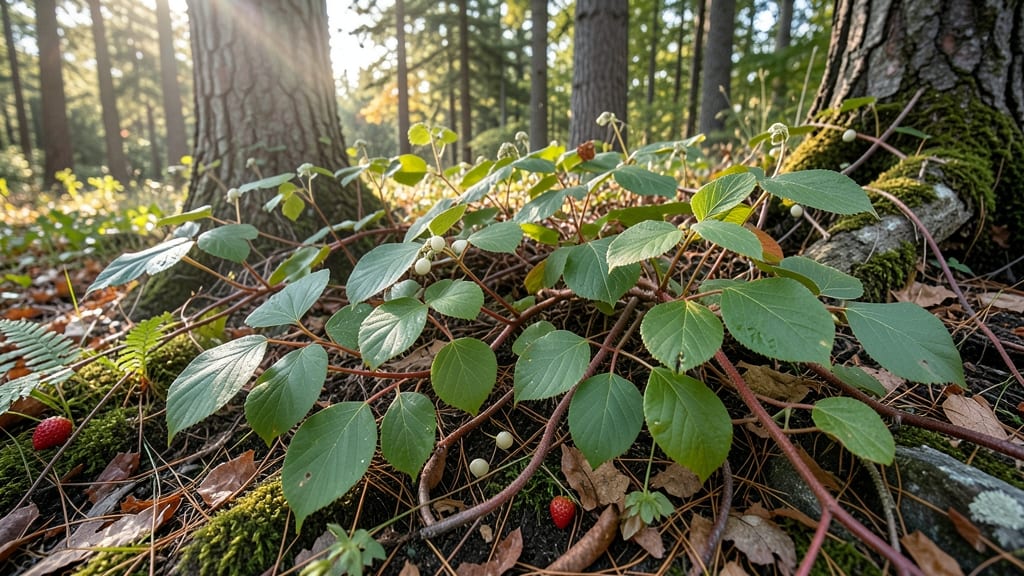
Poison ivy growing in your lawn isn't just unsightly—it's a sneaky invader that spreads fast and ruins picnics. 🌿 I've wrestled with it myself, and the key is acting before it takes over. The good news? You can remove it without harming your grass when you use the right techniques.
Start by identifying the vines (remember "leaves of three, let it be") and pull them when the soil is moist. For stubborn patches, spot-treat with a vinegar solution or targeted herbicide—just avoid spraying near grass. Safety first: wear gloves, long sleeves, and wash everything immediately after.
Within 2-3 weeks, you'll see the ivy retreat, leaving your lawn looking cleaner. The trick is staying vigilant—check for new sprouts regularly and maintain thick grass to block regrowth. This works for backyard lawns, community gardens, or any grassy area. Let's reclaim that space!
Hidden Triggers Inviting Poison Ivy
Poison ivy doesn’t just pop up out of nowhere—it’s a sneaky invader that thrives when your lawn provides the perfect conditions. Understanding why it takes root in your grass is the first step to kicking it out for good.
Below, we break down the science behind its persistence and how your lawn might be unknowingly welcoming it.
Poison ivy loves chaos. When soil is disrupted—whether by construction, foot traffic, or even lawn mowing—it exposes fresh, nutrient-rich dirt where poison ivy vines can latch on. Here’s how it happens:
- Construction or Landscaping: Digging trenches, laying patios, or planting new shrubs creates bare patches. Poison ivy’s roots or seeds (which can lie dormant for years) sense the disturbance and germinate.
- Foot Traffic & Compaction: High-traffic areas (like pet paths or kids’ play zones) compact soil, reducing grass density. Poison ivy thrives in these thin spots, where sunlight reaches the soil surface.
- Mowing Mistakes: Cutting grass too short (scalping) weakens roots, leaving gaps. Poison ivy’s vines spread via rhizomes (underground stems) and fill these voids aggressively.
💡 Pro Tip: After disturbing soil, immediately reseed with dense, competitive grasses like tall fescue or Kentucky bluegrass to starve out poison ivy before it gains a foothold.
Poison ivy is a heliophyte—it craves sunlight. When your lawn has patchy or thinning grass, the plant detects the extra light and sends up vines to soak it up. Key culprits:
- Thin Grass Patches: Drought, poor soil, or fungal diseases (like brown patch) create bare spots. Poison ivy’s leaves photosynthesize 30% more efficiently than grass in full sun, giving it a growth edge.
- Newly Sodded Areas: Fresh sod takes time to establish roots. During this window, poison ivy seeds (spread by wind, animals, or even your shoes) germinate and outcompete the young grass.
- Tree Shade Shifts: If a tree falls or pruning opens up sunlight, poison ivy beneath it will explode in growth within weeks.
🌡️ Science Note: Poison ivy’s urushiol oil (its irritant) increases in potency with more sunlight. That’s why sun-exposed patches are often more aggressive—and harder to eradicate.
Poison ivy isn’t drought-tolerant like some weeds—it needs consistent moisture to spread. Here’s how watering habits backfire:
| Issue | How It Helps Poison Ivy |
|---|---|
| Overwatering | Soggy soil suffocates grass roots but keeps poison ivy’s rhizomes hydrated. Its vines grow 2–3 feet per year in ideal moisture. |
| Poor Drainage | Low spots or clay-heavy soil trap water, creating a poison ivy paradise. Its roots thrive in saturated conditions where grass struggles. |
| Drip Irrigation Leaks | Constant moisture near sprinkler heads or hose leaks turns those spots into poison ivy launchpads. |
✨ Fix It: Test your soil’s drainage (dig a 12-inch hole, fill with water—if it doesn’t drain in 6 hours, amend with sand or compost). Water deeply but infrequently to encourage deep grass roots.
Poison ivy doesn’t always grow from seeds in your lawn—it often hitches a ride on tools, pets, or wildlife. Here’s how:
- Gardening Tools: Mowers, rakes, and shovels can carry rhizome fragments or seeds from infested areas to your yard. Even a tiny piece of root can regrow.
- Pets & Wildlife: Dogs, cats, and birds spread seeds via fur or droppings. A squirrel dragging a vine across your lawn can drop seeds in a perfect spot.
- Nearby Properties: Poison ivy seeds can travel up to a mile via wind or water. If your neighbors have it, their plants are likely seeding your lawn.
🔥 Prevention: Clean tools with a 10% bleach solution after use. Keep pets off infested areas, and inspect yard edges for vines creeping in from sidewalks or fences.
Now that you know the why, the next step is smart removal tactics that protect your grass while banishing poison ivy for good.
Eradicating Unwanted Creepers Naturally
Discovering poison ivy sneaking into your lawn can feel like a losing battle—but it doesn’t have to be. The key is to tackle it strategically, whether you’re dealing with overgrown patches, new sprouts, or rooted vines.
Below, we break down the best methods to remove it without harming your grass or triggering a full-blown rash. Plus, we’ll share how to keep it from staging a comeback.
Best for: Small patches, early-stage growth, or areas where you can spot every leaf.
- 👨🍳 Gear Up First
- Wear long sleeves, gloves, and goggles—poison ivy’s oil (urushiol) clings to skin and tools. A disposable coverall or old clothes you can wash separately are ideal.
- Use a shovel or garden fork to loosen the roots before pulling.
- 🔪 Dig It Out (Don’t Just Pull!)
- Poison ivy spreads via roots and underground runners. Dig at least 6 inches deep to sever the rhizomes (horizontal roots).
- For stubborn clumps, soak the area with vinegar (50/50 vinegar-water mix) for 24 hours before digging. This weakens the plant’s grip.
- 🗑️ Dispose of It Safely
- Double-bag the plants in plastic and throw them in the trash immediately. Do not compost.
- Clean tools and gloves with rubbing alcohol or soap and water to remove residual oil.
✨ Pro Tip: If you’re unsure what you’re pulling, take a photo first! Poison ivy has three leaflets with a smooth edge and a “hairy” middle stem. If it matches, proceed with caution.
Best for: Larger areas or when manual removal isn’t practical.
- 🍳 Smothering with Mulch or Cardboard
- Cover the poison ivy with 6+ layers of thick cardboard or newspaper, then top with 3–4 inches of mulch. This blocks sunlight and suffocates the plant in 4–6 weeks.
- Works best in shady or low-traffic areas where mulch won’t wash away.
- 💡 Salt or Vinegar Spray (Spot Treatment)
- Mix 1 gallon of water + 2 cups of salt or 1 part white vinegar to 1 part water in a spray bottle.
- Apply directly to the leaves (avoid overspraying grass—it can burn). Reapply every 2–3 days until the plant wilts.
- ⚠️ Warning: Salt can harm grass over time, so use it only on targeted patches.
- 🌡️ Boiling Water (For Small Patches)
- Pour boiling water directly over the roots and leaves. The heat kills the plant on contact.
- Best for sidewalks, driveways, or cracks where grass isn’t growing.
Once you’ve banished poison ivy, take these steps to lock it out for good:
- 🌱 Fill in Bare Spots: Poison ivy thrives in thin or bare lawns. Overseed with dense grass varieties (like tall fescue or Kentucky bluegrass) to crowd out intruders.
- 🔥 Maintain Your Lawn: Mow regularly and remove leaf litter—poison ivy seeds need sunlight to germinate.
- 🛡️ Create a Barrier: If your lawn borders a wooded area, install a 6-inch deep barrier of landscape fabric or edging to block underground spread.
- 💡 Monitor New Growth: Check your lawn weekly in spring/summer. Early detection = easier removal!
Remember: Poison ivy is persistent, but with the right approach, you can reclaim your lawn without resorting to harsh chemicals. Start small, stay consistent, and soon, your yard will be creeper-free!
Frequently asked questions
How do I know if those vines in my lawn are actually poison ivy?
Use the classic rhyme: "Leaves of three, let it be!" Poison ivy has three glossy leaflets with smooth edges and a "hairy" middle stem. Compare it to nearby plants—if it matches, assume it's poison ivy until proven otherwise. Never touch it without proper protection!
Can I use regular lawn herbicide to kill poison ivy?
Most general lawn herbicides won't target poison ivy effectively. Instead, use a vinegar-based herbicide (20-30% acetic acid) or a glyphosate product applied directly to the leaves (avoid grass contact). For spot treatments, a 1:1 vinegar-water mix works well when applied repeatedly.
What's the safest way to remove poison ivy without getting rashes?
Always wear disposable gloves, long sleeves, and goggles—even dead plants contain urushiol oil. Use a shovel or garden fork to dig out roots (6+ inches deep), then double-bag everything and throw it away. Immediately wash tools and skin with soap and water or rubbing alcohol.
Will mowing my lawn help control poison ivy?
No—mowing actually makes it worse! Cutting the vines stimulates regrowth and spreads the plant. Instead, pull or treat the roots first, then maintain a thick, healthy lawn (mow to 3-4 inches) to block sunlight that poison ivy needs to grow.
How long does it take to completely remove poison ivy?
With consistent effort, you'll see results in 2-4 weeks, but full eradication can take 3-6 months for stubborn patches. The key is removing all roots and monitoring for new sprouts. Once the soil is clear, overseed with dense grass to prevent regrowth.