
Lawn
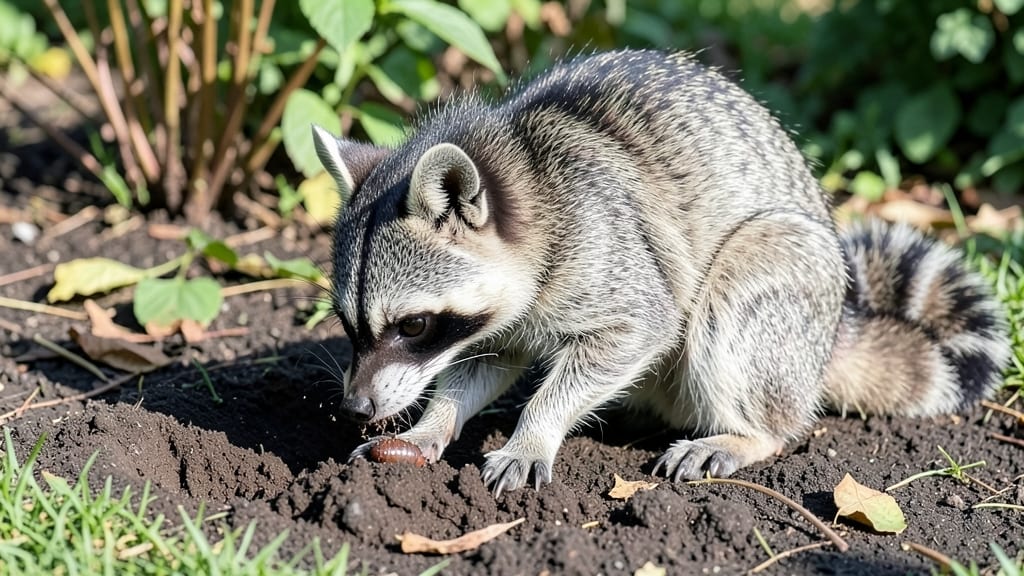
Raccoon digging up your lawn is like a midnight treasure hunt—except your prize is a destroyed yard and their prize is your grubs. I’ve had raccoons turn my carefully mowed lawn into a construction site overnight, and I finally cracked the code on humane deterrents that actually work.
The key isn’t just chasing them away; it’s making your yard less appealing than the next neighborhood over.
You’ll need a few simple tools: motion-activated lights (they hate being startled), hardware cloth (to block their digging spots), and a little habitat tweaking (like removing easy food sources). I’ve even used commercial repellents with peppermint oil—raccoons despise the smell.
The best part? These methods work without trapping or harming them, so you’re not just solving a problem, you’re being kind to wildlife too.
Within a week, you’ll see the digging slow down as raccoons lose interest in your yard. The real payoff comes when you restore the damaged areas: overseeding bare spots and aerating compacted soil brings your lawn back to life.
It’s not instant, but with consistent effort, your grass will bounce back thicker than ever.
Fair warning: if the problem persists after a month, it might be time to call a professional. But in my experience, these humane tactics work for most backyard situations. Let’s get your lawn back—and keep those masked bandits moving on to easier targets.
📚 In This Guide
- What you need
- Instructions
- Tips and common mistakes
- Wrapping up and next steps
What you need
- ● Hardware cloth or wire mesh: ¼-inch or smaller mesh (10–20 ft, depending on area to cover). Pro tip: 💡 Use this to block burrows or cover vulnerable spots!
- ● Motion-activated sprinkler: Solar-powered or battery-operated (1–2 units for larger yards). Bonus: 🌱 Doubles as a watering system!
- ● Ammonia-soaked rags or predator urine: 2–3 rags (soak in ammonia) or 1 bottle of coyote/fox urine (for scent deterrence). Warning: 🚫 Avoid direct contact with pets!
- ○ Heavy-duty gloves and shovel: For safe cleanup and reinforcing barriers. Optional: A trowel for precision work.
- ● Reflective tape or old CDs: 1–2 rolls (hang near entry points to startle raccoons at night).
- ● Secure trash cans with lids: Heavy-duty bins (if raccoons are raiding your yard for food).
- ● Ultrasonic repellent devices: Battery-powered units (1–2 for targeted areas). Note: 🔊 Test in advance—some pets may be sensitive!
- ● Decoy predators: Fake owls or snakes (rotate placement weekly to keep them effective).
- ● Cinnamon or cayenne pepper: Sprinkle lightly around hotspots (natural deterrent). Caution: 🌿 Avoid overuse—it can harm plants.
- ● Camera trap: Motion-activated trail camera (to monitor raccoon activity without confrontation).
- ● Pet-safe repellent sprays: Commercial raccoon repellents (follow label instructions carefully).
How to protect your lawn from raccoon digging
Here’s the straightforward approach I’ve used to keep raccoons from turning my lawn into a digging site.
Identify and Remove Attractants
Raccoons dig primarily to hunt grubs, insects, or small animals—but they’re also drawn to food scraps, pet food, or even fallen fruit. Start by walking your lawn at dusk, when raccoons are most active, to spot fresh dig sites. Look for mounds of dirt, disturbed grass, and any signs of food debris.
Remove all potential food sources immediately. Secure trash cans with locking lids, store pet food indoors, and pick up fallen fruit or nuts. I’ve found that raccoons lose interest within 24-48 hours once their food motivation disappears. If you have a compost bin, move it farther from your lawn or use a raccoon-proof container with a tight-fitting lid.
Install Physical Barriers
For persistent digging, create a barrier that raccoons can’t easily bypass. Bury 18-inch tall hardware cloth (not chicken wire—raccoons can tear through it) around garden beds, flower areas, or problem spots. Bend the top outward at a 45-degree angle to discourage climbing. If you’re protecting a small lawn area, a wire mesh fence (at least 3 feet high) with the bottom buried 6 inches deep works well.
For raised beds or containers, cover them with wire mesh lids secured tightly. I’ve also had success with plastic tree guards wrapped around young trees—raccoons can’t dig through the smooth surface. The key is making access difficult without trapping or harming the animals.
Use Humane Repellents
Commercial raccoon repellents like hot pepper spray or predator urine (coyote or fox) can be effective when applied directly to dig sites. Spray the area thoroughly, focusing on the edges of disturbed soil. Reapply every 3-5 days or after rain, as the scent fades quickly. I’ve found that hot pepper spray works best when mixed with water and sprayed in a 10-foot radius around problem areas.
For a natural alternative, try castor oil-based repellents, which are non-toxic and unpleasant for raccoons. Apply it in the evening when they’re most active. The smell lingers and deters them without harm. Avoid ammonia or mothballs—these can be harmful to pets and children and often lose effectiveness after a few applications.
Implement Motion-Activated Deterrents
Raccoons are curious but easily spooked. Place motion-activated sprinklers near dig sites—the sudden burst of water startles them and discourages repeat visits. These are battery-operated and can cover a 20-foot radius. I’ve seen raccoons avoid areas with these for weeks after a single scare.
For a low-tech option, set up old CDs or aluminum pie pans on strings near problem spots. The noise and movement when they brush against them will deter digging. Move the pans every few days to keep raccoons guessing. This method is especially effective for small lawns or garden beds.
Provide Alternative Food Sources
If raccoons are digging due to hunger, redirect their attention by setting up a remote feeding station at least 100 feet away from your lawn. Use a raccoon-proof feeder (metal with a locking lid) filled with corn, dog food, or fruits they enjoy. Place it in a wooded area or near a fence line where they can access it without disturbing your lawn.
Check the feeder weekly to ensure it’s still secure and refill as needed. Over time, raccoons will associate the feeding station with food and leave your lawn alone. This method takes patience—it can take 2-3 weeks for them to fully shift their digging habits. But once they do, your lawn will stay intact.
Tips & tricks for humane raccoon deterrents
These practical strategies will help you implement raccoon deterrents that work without harming the animals.
Timing is Everything: When removing attractants in Step 1, focus on dusk—the time raccoons are most active. I’ve noticed they’re most persistent between 8 PM and midnight, so prioritize securing trash cans and removing food sources during these hours. The 24-48 hour window mentioned is critical because raccoons will often return to familiar digging spots within this timeframe if food remains accessible.
Barrier Installation Secrets: For Step 2, don’t just bury hardware cloth—create an L-shaped bend at the top. This prevents raccoons from climbing over, as their dexterous hands can’t grip the smooth surface. I’ve found that adding a 6-inch outward flare at the top makes it even more effective. For existing gardens, you can also use chicken wire temporarily while you install proper hardware cloth, but replace it within a week to maintain effectiveness.
Repellent Application Strategy: When using hot pepper spray or castor oil in Step 3, apply it in a zigzag pattern rather than just spraying the center. This creates a wider barrier and makes it harder for raccoons to find untreated areas. I recommend applying repellents in the evening when raccoons are most active—they’re less likely to investigate during daylight hours. The 3-5 day reapplication schedule is key because rain or sun exposure will diminish the effectiveness.
Motion Deterrent Placement: For Step 4, position motion-activated sprinklers at least 10 feet from the edge of your lawn. Raccoons have keen senses and may avoid the area even after a single scare. I’ve had success placing them near pathways raccoons use to access digging sites. For the low-tech CD or pie pan method, hang them at waist height—this is where raccoons naturally brush against objects while moving.
Pro Tips for Raccoon Digging Up Lawn
- These practical strategies will help you implement raccoon deterrents that work without harming the animals.
- Timing is Everything: When removing attractants in Step 1, focus on dusk—the time raccoons are most active.
- Barrier Installation Secrets: For Step 2, don’t just bury hardware cloth—create an L-shaped bend at the top.
Frequently asked questions
Got questions about raccoons tearing up your lawn?
You’re not alone! Here are answers to the most common concerns—so you can protect your yard without harming these clever critters.
Why is my raccoon digging up my lawn in the first place?
Raccoons dig for grubs, insects, or larvae—their favorite snack! They’re also searching for food scraps, pet food, or even nesting materials. If your yard is soft or has rich soil, it’s like an all-you-can-eat buffet for them. Pro tip: Check for grubs by lifting a small patch of sod—if you see wriggling worms, that’s the culprit!
When do raccoons do the most digging—night or day?
Raccoons are nocturnal, so they’re most active after dark. You’ll rarely see them digging during daylight hours, but you might spot their mess in the morning. If you’re dealing with daytime destruction, it could signal a food source (like an open trash can) or a mother raccoon teaching her kits to forage.
What’s the fastest way to stop raccoons from digging without trapping them?
Try these humane deterrents first:
- Motion-activated lights/sprinklers: Startles them without harm.
- Hard surfaces: Lay down gravel, chicken wire, or hardware cloth over problem areas.
- Remove food sources: Secure trash cans with bungee cords and avoid leaving pet food outside.
- Ammonia-soaked rags: Place them near dig sites (the smell repels raccoons).
Avoid: Poison or glue traps—they’re cruel and often illegal.
Will my lawn recover after raccoon damage?
Yes! Raccoons usually don’t kill grass, just uproot patches. Here’s how to help it bounce back:
- Rake out debris and smooth the soil.
- Water deeply to encourage roots to regrow.
- Re-seed or lay sod if large areas are bare.
With patience, your lawn should fill in within a few weeks.
What if raccoons keep coming back after I’ve tried deterrents?
If they’re persistent, they’ve likely found a reliable food source or nesting spot. Try these next steps:
- Check for grubs: Apply beneficial nematodes (safe for pets/kids) to eliminate their food supply.
- Block entry points: Seal gaps in sheds, decks, or crawl spaces with steel mesh.
- Call a professional: A wildlife removal expert can assess the situation and use humane relocation if needed.
Never use mothballs or bleach—they’re ineffective and harmful to other wildlife.
Wrapping up and next steps
Dealing with a raccoon digging up your lawn doesn’t have to be a frustrating battle—it’s all about humane, smart solutions! 🦝🚫 By combining deterrents like motion-activated lights, secure trash bins, and natural repellents, you can reclaim your yard without harming wildlife.
Remember, patience and consistency are key—raccoons are clever, but they’re not invincible.
Ready to take action? Start with one or two methods from this guide, monitor the results, and adjust as needed. Your peaceful lawn is just a few steps away—you’ve got this! 🌱✨