
Lawn
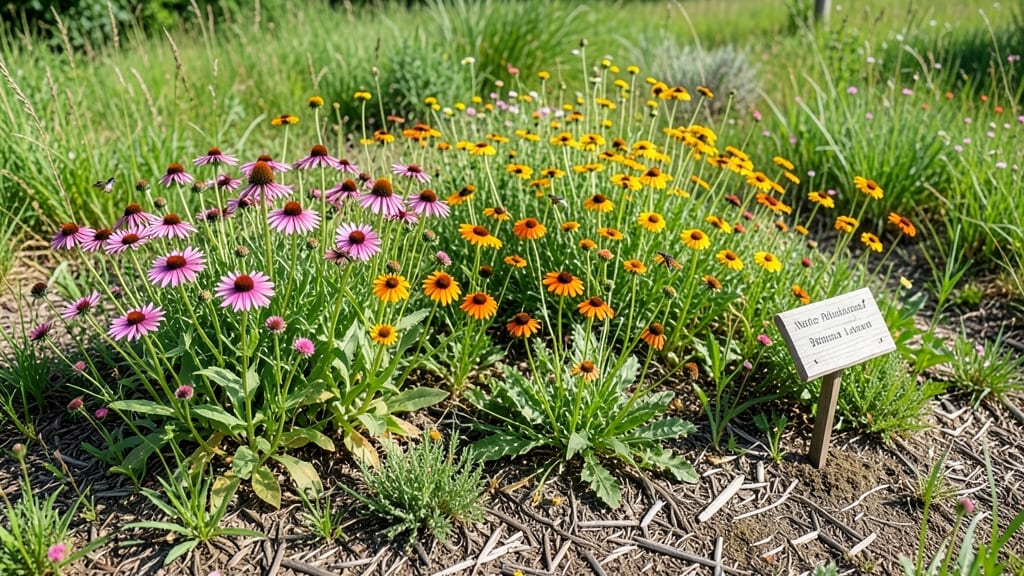
Real lawns have native biodiversity only when they incorporate diverse plants, but monoculture grass lawns typically lack it. You can easily boost local ecosystems by integrating native plants that attract pollinators, improve soil health, and create habitats for wildlife. Simple practices like targeted seeding and mulching make the transition straightforward.
Real lawns have native biodiversity when they incorporate diverse plants, but most traditional lawns rely on a single grass species, which creates a sterile environment that struggles to support local wildlife. 🌱 Native plants, on the other hand, have evolved alongside regional pollinators and soil microbes, forming natural partnerships that enhance ecosystem resilience. For example, clover and wildflowers not only provide nectar for bees but also fix nitrogen in the soil, reducing the need for chemical fertilizers. Even small patches of native vegetation can make a measurable difference in your yard's ecological health, creating corridors for beneficial insects and small animals.
What's particularly exciting is how these changes benefit both the environment and your lawn's long-term health.
Native plants require less water and maintenance once established, and their deep root systems help prevent erosion while improving soil structure. 🌿 The key is starting with just 10-20% of your lawn area—this gives pollinators immediate resources while allowing you to gradually expand the transformation at your own pace.
💡 In This Article
- Why Traditional Lawns Harm Native Biodiversity
- How to Transform Your Lawn into a Pollinator Haven
Why traditional lawns harm native biodiversity
Monoculture grass lawns create ecological deserts by eliminating the natural plant diversity that supports local wildlife.
A single grass species like Kentucky bluegrass or fescue provides no nutritional variety for insects, birds, or small mammals. 🌱 For comparison, a typical suburban lawn contains about 10 species of plants, while a natural prairie might have 200+ species in the same area.
This lack of diversity disrupts food chains—bees and butterflies lose their primary food sources, leading to population declines that cascade through ecosystems.
The problem goes deeper than just food availability. Grass lawns require frequent mowing (every 1-2 weeks in growing seasons) which removes seed heads and flowers—critical pollinator resources.
Many lawn grasses also have shallow root systems that don't reach 6 inches deep, preventing them from stabilizing soil or supporting beneficial fungi networks. 🌿 In contrast, native grasses like big bluestem develop root systems that reach 6-10 feet deep, creating natural water filtration systems and preventing erosion.
Chemical dependency further harms biodiversity. Traditional lawns often rely on synthetic fertilizers (containing 30-50% nitrogen) and pesticides that kill beneficial insects like ground beetles and lacewings.
These chemicals can persist in soil for months, altering microbial communities that break down organic matter. 💥 Native plants, however, form symbiotic relationships with mycorrhizal fungi and nitrogen-fixing bacteria, creating self-sustaining nutrient cycles that reduce the need for chemical inputs.
One striking example is the monarch butterfly population, which has declined by 90% since 1990 due to loss of milkweed habitats. A single milkweed plant can support 20-50 monarch caterpillars during their lifecycle, while a grass lawn provides zero resources.
The solution lies in reintroducing just 10-20% native plants to your yard—this creates "stepping stones" for pollinators to move between larger natural areas.
Soil health suffers too. Grass lawns typically have 2-3 times less organic matter than native plant ecosystems because they lack leaf litter and diverse root structures.
This depleted soil requires more watering and fertilization to maintain, creating a cycle of ecological harm and increased maintenance costs. 🌍 The good news is that converting even small sections to native plants can begin reversing these effects within 2-3 growing seasons.
What makes this transformation particularly powerful is how native plants support wildlife at all life stages. For instance, goldenrod flowers provide nectar for adult butterflies while their seed heads feed caterpillars in late summer.
This multi-season support contrasts sharply with grass lawns, which offer zero ecological value year-round. 💫 The key insight is that biodiversity isn't just about adding plants—it's about recreating the complex relationships that make ecosystems function.