
Lawn
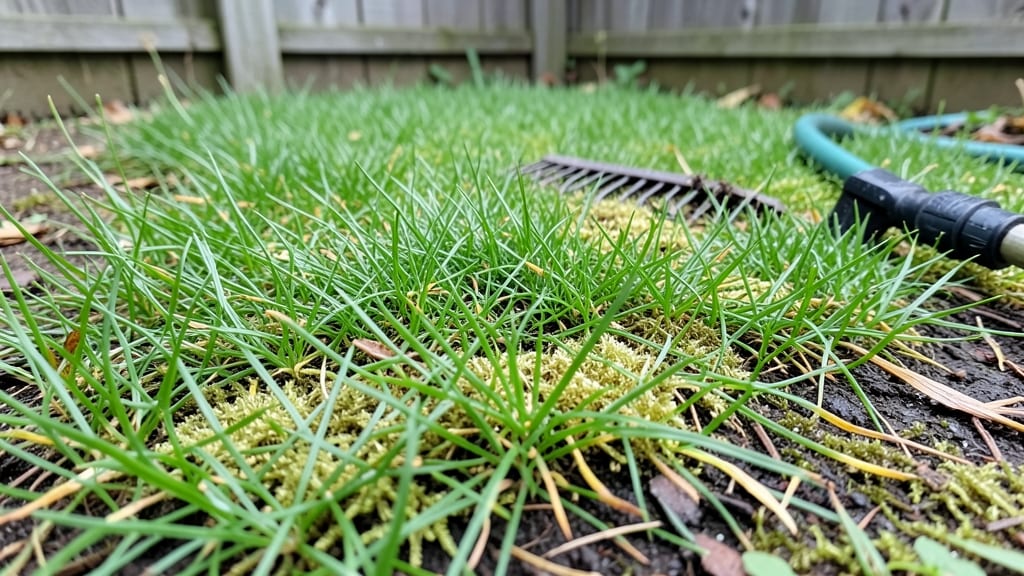
Removing moss from your grass lawn starts with understanding why that spongy, velvety invader isn’t just unsightly—it’s stealing nutrients from your grass. I’ve battled it in my own yard, and the vinegar-and-rake combo works faster than anything I’ve tried before.
The secret lies in timing, tools, and a little elbow grease to restore that lush, green carpet you’re after.
Most people assume moss removal means harsh chemicals, but the truth is simpler: a hot day in late spring, a stiff-bristle rake, and a gallon of plain white vinegar do the heavy lifting.
You’ll spend about 30 minutes per 500 square feet, and the results—firm, springy grass—are worth every minute. The key is working after a dry spell when the moss is brittle and easy to pull.
By the time you’re done, your lawn will look like it did that first spring after reseeding—uniform, vibrant, and finally free of those stubborn patches. The vinegar kills moss on contact while feeding your grass roots, and the rake clears away debris so new growth can take hold.
Best part? No runoff, no toxic fumes, just a lawn that stays moss-free for seasons.
Works in shady spots where grass struggles, on slopes where water pools, or even in high-traffic areas where moss thrives. The same method keeps your turf thick enough to outcompete moss naturally. Ready to reclaim your lawn?
The Hidden Triggers Behind Moss Growth
Moss may seem like a harmless green carpet, but it’s actually a sign that your lawn isn’t quite thriving. Understanding the root causes of moss growth is the first step to reclaiming a lush, grass-dominated lawn. Here’s why moss takes over—and how to address it.
Moss thrives in wet conditions, and if your lawn doesn’t drain well, it creates the perfect breeding ground. Unlike grass, moss doesn’t need deep roots to survive—it spreads across the surface, soaking up excess moisture.
Over time, compacted soil or a high water table can leave areas perpetually damp, signaling moss to move in.
Why it happens:
- Clay-heavy soil holds water like a sponge, preventing grass roots from breathing.
- Shady, low-lying spots where water pools after rain or irrigation.
- Frequent, heavy watering that keeps the soil soggy instead of allowing it to dry between sessions.
Actionable insight: Test your soil’s drainage by digging a small hole, filling it with water, and timing how long it takes to drain. If it sits for more than 6 hours, your lawn may need amendments like sand or organic matter to improve aeration.
Grass needs sunlight to photosynthesize and grow strong. In shady areas, grass struggles to compete, while moss—being a non-vascular plant—thrives in low light. If your lawn has patches under trees, fences, or buildings, moss will likely dominate.
Why it happens:
- Less than 4–6 hours of sunlight daily stunts grass growth, leaving bare soil for moss spores to latch onto.
- Thick tree canopies block sunlight and drop acidic leaves, further discouraging grass while favoring moss.
- North-facing slopes often stay cooler and damper, creating ideal moss conditions.
Actionable insight: If shade is unavoidable, opt for shade-tolerant grass varieties like fine fescue or creeping red fescue. Alternatively, consider replacing mossy areas with ground covers or mulch.
Moss loves acidic soil (pH below 6.0), while most lawn grasses prefer a neutral to slightly acidic range (6.0–7.0). Over time, natural decomposition, pine needles, or acidic rain can lower your soil’s pH, giving moss the upper hand.
Why it happens:
- Decomposing organic matter (like fallen leaves) releases acids that lower pH.
- Lack of lime applications over years allows soil acidity to creep up.
- Heavy rainfall in regions with naturally acidic bedrock (e.g., granite areas) worsens the issue.
Actionable insight: Test your soil’s pH with a DIY kit or send a sample to a local extension office. If the pH is below 6.0, apply pelletized lime in early fall or spring to raise it gradually.
When soil is compacted (from foot traffic, heavy machinery, or poor maintenance), grass roots suffocate. Moss, with its shallow, mat-like structure, fills the gaps where grass can’t take hold. Thin or patchy grass also leaves exposed soil, inviting moss spores to settle.
Why it happens:
- Heavy foot traffic (kids, pets, or frequent mowing) compresses soil, reducing oxygen flow.
- Improper mowing height (cutting too short) weakens grass, making it vulnerable to moss.
- Lack of aeration over years leads to hardened soil that repels water and roots.
Actionable insight: Core aeration in fall or spring can loosen compacted soil, allowing grass roots to access nutrients and water. Pair this with topdressing (a mix of sand and compost) to improve soil structure.
💡 Pro Tip: Moss isn’t just a cosmetic issue—it’s a symptom of deeper lawn health problems. Addressing drainage, sunlight, pH, and soil compaction will not only help remove moss but also strengthen your grass for the long term.
Once you identify the triggers in your lawn, you can tailor your removal and prevention strategy for lasting results.
Quick Fixes for a Lush Lawn
Moss in your lawn isn’t just unsightly—it can smother grass, create slippery patches, and even signal deeper soil issues. But don’t worry! With the right approach, you can restore a thick, healthy lawn.
Below, we’ll tackle the most common causes of moss and match them with practical, step-by-step solutions. Plus, we’ll share pro tips to keep moss from creeping back in.
If your lawn stays soggy or has hard, compacted soil, moss thrives while grass struggles. Here’s how to fix it:
🔥 Step 1: Improve Drainage
- Test your soil: Dig a small hole (6 inches deep). If water pools after 30 minutes, drainage is poor.
- Aerate the lawn: Rent a core aerator to pull out small soil plugs, allowing water and air to penetrate. Do this in spring or fall.
- Add organic matter: Mix in 1–2 inches of compost or peat moss (not to be confused with lawn moss!) to improve soil structure.
👨🍳 Step 2: Loosen Compacted Areas
- Use a garden fork or a heavy-duty rake to break up compacted spots. Focus on high-traffic areas.
- Pro tip: 💡 After aerating, top-dress with a thin layer of sand or coconut coir to help retain improvements.
Moss loves shade and moisture, while most grasses need sunlight. Adjust these factors to outcompete moss:
🍳 Step 1: Choose Shade-Tolerant Grass
- Replace moss with grass varieties like fine fescue or creeping red fescue, which thrive in low light.
- Seed or sod? Sod establishes faster but costs more; seeding is cheaper but takes longer.
🌡️ Step 2: Reduce Moisture in Shady Spots
- Improve airflow with pruning overhanging trees or shrubs.
- Install a French drain or extend downspouts away from the lawn to divert excess water.
- Pro tip: ✨ Use a lawn sprinkler timer to water deeply but infrequently—moss hates drying out!
Moss prefers acidic soil (pH below 6.0), while grass thrives in slightly acidic to neutral soil (pH 6.0–7.0). Test your soil and adjust:
🔪 Step 1: Test Your Soil’s pH
- Buy a soil test kit (or send a sample to a local extension office) for accurate results.
📊 Step 2: Raise the pH
- Apply lime (calcitic or dolomitic) based on test recommendations. Spread evenly with a broadcast spreader.
- When to apply? Early spring or fall for best results.
- Pro tip: 🎯 Avoid over-limeing—too much can harm grass. Follow package rates precisely.
If your grass is sparse, moss fills the gaps. Thicken your lawn to starve out moss:
⏰ Step 1: Overseed Bare Spots
- Best time: Late summer or early fall.
- Choose a grass seed blend suited to your climate and sun exposure.
- How to overseed:
- Mow grass short (1–1.5 inches).
- Aerate or loosen soil.
- Spread seed evenly (use a spreader for large areas).
- Lightly rake to ensure seed-soil contact.
- Water gently daily until germination (keep soil moist but not soggy).
💡 Pro Tip:
For extra coverage, mix seed with a starter fertilizer (low nitrogen, high phosphorus).
Once you’ve removed moss, take these steps to prevent its return:
- 🌿 Mow high: Keep grass at 3–4 inches to shade out moss and improve root growth.
- 💧 Water wisely: Deep, infrequent watering (1–1.5 inches per week) encourages deep grass roots and discourages moss.
- 🌡️ Monitor pH: Test soil annually and reapply lime if needed to maintain pH 6.0–7.0.
- 🌱 Aerate regularly: Do this every 1–2 years to keep soil loose and well-draining.
- 🍂 Clean up debris: Remove leaves and thatch, which trap moisture and encourage moss.
With these targeted fixes, your lawn will go from mossy and patchy to lush and green in no time. Start with the solutions that match your lawn’s biggest issues, and soon you’ll be the envy of the neighborhood with a spotless turf! 🏡✨
Frequently asked questions about eliminating moss from your lawn
Is it safe to use vinegar for moss removal?
Yes! Plain white vinegar is a natural, chemical-free way to kill moss. Mix equal parts vinegar and water in a spray bottle, apply to mossy areas on a dry, sunny day, and let it sit for 10-15 minutes before raking away the dead moss. The acidity disrupts moss cells without harming your grass when used correctly.
When is the best time of year to tackle moss?
Late spring or early fall are ideal. During these seasons, temperatures are mild, and moss is actively growing but not yet dormant. Avoid treating during winter (when moss is dormant) or summer (when grass is under stress). Early morning application lets the solution work before evaporation.
Will removing moss damage my grass?
Not if done properly! The key is timing and technique. Always remove moss when the ground is dry (not after rain) and avoid aggressive scraping that tears grass roots. After removal, overseed bare spots immediately to prevent moss from returning. Healthy grass naturally crowds out moss over time.
How often should I check for moss regrowth?
Monitor your lawn every 4-6 weeks during growing seasons (spring and fall). Moss spreads quickly in favorable conditions, so early detection is crucial. If you notice new patches, treat them immediately with vinegar or a natural moss killer before they establish. Regular maintenance prevents moss from becoming a persistent problem.
Can I use commercial moss killers instead of natural methods?
You can, but natural methods are safer for children and pets. Commercial products often contain iron sulfate or other chemicals that can harm grass if overused. If you choose chemicals, follow label instructions precisely and consider spot-treating only the worst areas. Always water thoroughly after application to prevent runoff.