
Lawn
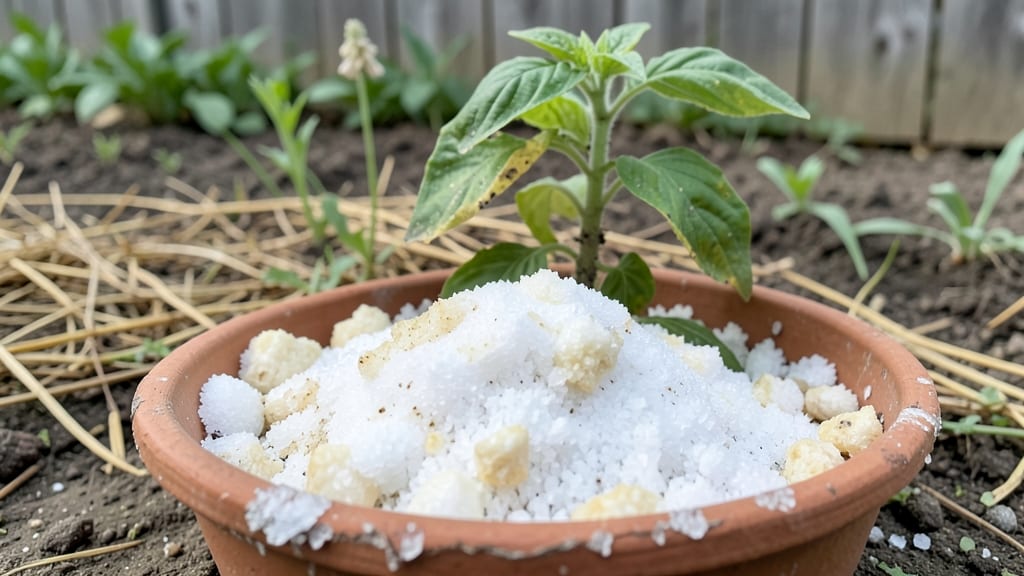
Sugar on the lawn isn’t just sticky—it’s a silent threat to your grass roots. 🌱 I’ve seen it turn lush green into yellow patches overnight, and the worst part? Most people don’t realize it’s happening until it’s too late.
The culprits range from spilled soda to ant trails, but the damage is the same: weakened grass that struggles to recover.
First, identify the source—is it a sticky residue from drinks, pet accidents, or insects? Once you know, you can act fast. A simple mix of water and vinegar breaks down sugar without harming the soil, while a stiff broom cleans up stubborn spots.
The key is speed: sugar attracts pests and feeds fungus, so the sooner you remove it, the better your lawn’s chances of bouncing back.
After cleanup, focus on revival. Overwater the area to flush out any remaining sugar, then apply a light layer of compost to restore balance. Within a week, you’ll see new growth pushing through—proof that your lawn can recover from even the stickiest surprises.
The secret? Catching it early and treating it right.
Prevention is easier than cleanup. Store drinks indoors, train pets to avoid yard accidents, and keep sugar sources away from grass. A little vigilance now means a green, healthy lawn all season long—no sticky messes required.
Hidden Sweet Spills Explained
That mysterious sticky residue on your lawn isn’t just an eyesore—it’s often the result of unintentional human (or pet!) activity. Understanding why these sugary deposits appear helps you tackle the problem at its source. Let’s break down the most common causes, from accidental spills to sneaky critters.
Sugar isn’t just for baking—it’s a staple in picnics, barbecues, and backyard celebrations. But when left unattended, even small amounts can become a lawn nuisance.
- Beverage mishaps: Soda, lemonade, or iced coffee spills often contain hidden sugars (like high-fructose corn syrup) that soak into grass roots. A single dropped cup can leave a sticky, slow-dissolving patch.
- Food waste: Discarded candy wrappers, half-eaten cakes, or even fruit peels (like watermelon or pineapple) can ferment, attracting pests while leaving behind sugar residues.
- DIY projects: Sugar-based adhesives (like homemade glue for crafts or repairs) or even unwashed tools (e.g., paintbrushes with leftover sugar-based sealants) can drip onto grass.
Pro Tip: 💡 Place a trash bin with a lid near outdoor seating areas to catch spilled drinks and food scraps before they become lawn stains.
If your lawn is a buffet for furry (or feathered) visitors, sugar deposits might be a sign of sneaky snack thieves.
- Pet treats: Dogs and cats love sugary snacks (like raisins, chocolate, or even "natural" treats with honey). Dropped kibble or chewed-up bones can leave behind sticky, fermenting bits.
- Bird feeders: Sugar water (intended for hummingbirds) or spilled seed mixes can seep into the soil, creating a sticky, mold-prone zone.
- Squirrels and raccoons: These critters are notorious for raiding trash cans or stealing picnic leftovers, often dragging sugar-rich items across your lawn.
Action Step: 🔍 Inspect your lawn for chewed wrappers or tiny paw prints—common near trash cans or pet bowls.
Not all sugar comes from human hands—some is naturally released as plants break down. However, certain conditions can amplify this process, turning your lawn into a sticky mess.
- Fertilizer reactions: Over-fertilizing with nitrogen-rich products can cause rapid plant decomposition, releasing sugars (like glucose) into the soil. When combined with moisture, this creates a gummy residue.
- Mold and fungal growth: Decaying grass clippings or fallen leaves (especially from fruit-bearing trees like apples or cherries) can ferment, producing natural sugars that attract pests and leave behind a syrupy film.
- Root exudates: Healthy grass roots release small amounts of sugars as a byproduct of photosynthesis. But in compacted or waterlogged soil, this process can accelerate, leading to sticky patches.
Science Note: 🧪 Soil microbes feed on these sugars, creating a feedback loop—more decay = more stickiness. Aerating your lawn can help reduce this effect.
Sometimes, people mean to use sugar on lawns—but the execution leaves a lot to be desired.
- Homemade pest control: Sugar mixed with water or borax (a DIY ant killer) can attract pests if not applied carefully. The solution often drips or evaporates unevenly, leaving residue.
- Grass revitalization myths: Some DIYers swear by sugar-water "tonics" to "feed" lawns, unaware that this can disrupt microbial balance and create sticky, moldy patches.
- DIY beer-brewing accidents: Fermenting grain washouts or spilled wort (unfermented beer) can seep into soil, leaving behind a sugary, yeast-rich mess.
Warning: ⚠️ Avoid pouring sugar-based liquids directly on grass—it can disrupt soil pH and encourage fungal growth.
Mother Nature plays a big role in turning sugar into a lawn headache. Humidity, rain, and temperature all influence how quickly (or slowly) sugar breaks down.
- High humidity: Sugary spills absorb moisture from the air, creating a sticky, slow-drying film that clings to grass blades.
- Heavy rainfall: Instead of dissolving, sugar can get washed into the soil, where it feeds microbes and creates underground "sugar pockets" that resurface during dry spells.
- Extreme heat: Sunlight accelerates fermentation, turning spilled soda or fruit juice into a thick, caramelized residue within hours.
Quick Fix: 🌡️ After outdoor gatherings, hose down the lawn with a strong stream of water to rinse away sugar before it sets.
Quick Fixes for Sticky Sweet Spills
Got unwanted sugar deposits turning your lawn into a sticky mess? Don’t panic—here’s how to tackle the problem based on its cause, with easy, grass-friendly solutions. Whether it’s spilled soda, discarded candy wrappers, or sticky syrup drips, these methods will restore your lawn without harming the roots.
Fix: Act fast before the sugar attracts pests or ferments into a gooey trap.
- 🧹 Scrape Up the Sticky Mess
- Use a plastic scraper or putty knife to lift solidified sugar or syrup. Avoid metal tools—they can scratch your lawnmower blades later.
- Pro Tip: 💡 Wrap the scraper in a plastic bag for easy disposal (sugar attracts ants and rodents!).
- 💦 Rinse with Water
- Spray the area with a garden hose on a medium setting to dissolve residual sugar. For stubborn spots, mix 1 gallon warm water + 1 tbsp dish soap and gently scrub with a soft brush.
- 🌱 Revive the Grass
- Lightly rake the area to aerate soil and help water penetrate. If the grass looks wilted, water deeply for 2–3 days.
Prevention:
- Keep sugary drinks sealed in picnic areas.
- Store pet treats or syrup bottles in airtight containers.
- Place a doormat with a tray under outdoor tables to catch drips.
Fix: Remove debris and the sticky residue left behind.
- 🗑️ Pick Up the Trash
- Use gloves to grab wrappers, bottles, or broken glass (safety first!). Toss them in a sealed trash bag—sugar-coated trash smells terrible when wet.
- 🧼 Clean the Sticky Film
- Sprinkle baking soda over the area, let sit for 10 minutes, then brush off. For tough adhesive, use a vinegar-water mix (1:1 ratio) and scrub with a stiff brush.
- Warning: ⚠️ Avoid bleach—it can bleach grass and harm soil microbes.
- 🌿 Test the Soil
- If the area feels compacted, sprinkle compost or sand to improve drainage.
Prevention:
- Install trash bins with locking lids in high-traffic lawn areas.
- Place ashtrays or candy wrappers near seating to discourage littering.
- Host a weekly "trash pickup challenge" with kids to keep the lawn clean.
Fix: Neutralize the sugar and the acidity that can harm grass.
- 🚰 Dilute the Spill
- Pour a bucket of water over the spill to dilute sugar and acid. For carbonated drinks, let bubbles dissipate first to avoid splashing.
- 🧴 Use a Grass-Safe Cleaner
- Mix 1 cup white vinegar + 1 gallon water and spray over the area. Vinegar breaks down sugar and neutralizes pH.
- Alternative: 🌿 Use hydrogen peroxide (3%) for a deeper clean—it’s safe for grass when diluted.
- 🌱 Replenish the Soil
- After cleaning, top-dress with a thin layer of compost to restore nutrients.
Prevention:
- Place coasters under drinks (even on lawn furniture).
- Use spill-proof cups for kids’ beverages.
- Keep a small broom and dustpan near outdoor seating for quick cleanups.
Fix: Remove sugar and deter critters from returning.
- 🐜 Eliminate the Sugar Source
- Follow the steps above to fully clean the area. Leftover sugar = a buffet for ants, wasps, and even raccoons!
- 🛡️ Apply Natural Deterrents
- Sprinkle diatomaceous earth (food-grade) around the area—it’s non-toxic and repels insects.
- Place citrus peels or coffee grounds near the spot; pests hate the scent.
- 🌿 Monitor and Retreat
- Check the area daily for 3–5 days. If pests persist, set boric acid bait stations (keep away from pets/kids).
Prevention:
- Store pet food indoors—sugar-coated treats (like raisins in dog biscuits) can spill.
- Seal trash cans tightly and use ant bait stations proactively.
- Plant pest-repelling herbs (mint, lavender) near high-risk zones.
Final Tip: 🎯 For large sugar spills (like a tipped-over soda keg), rent a pressure washer (low setting!) to blast away residue—just avoid blasting grass too hard to prevent damage.
With these fixes, your lawn will stay sweet-smelling (literally) and free of sticky surprises! 🌿✨
Frequently asked questions
Why does sugar on my lawn attract so many ants and pests?
Sugar acts like a magnet for ants, wasps, and even raccoons because it provides an easy food source. Once sugar is spilled, it breaks down quickly, creating a sticky, fermenting mess that pests can't resist. The combination of moisture (from rain or dew) and sugar creates an ideal breeding ground for bacteria and fungi, which also attracts insects.
Is vinegar safe to use for cleaning sugar spills on grass?
Yes, vinegar is completely safe and effective for breaking down sugar residues. Mix equal parts white vinegar and water in a spray bottle and apply to the affected area. The acidity helps dissolve the sugar while neutralizing any lingering odors. Just avoid using vinegar on lawns treated with pre-emergent herbicides, as it can reduce their effectiveness.
How long does it take for grass to recover after a sugar spill?
With proper cleanup, grass typically recovers within 3-7 days, depending on how quickly you act. The key is removing the sugar within 24 hours to prevent root damage. After cleaning, water the area deeply for 2-3 days to help flush out any remaining sugar and encourage new growth.
Can I use baking soda to clean up sticky sugar residues?
Baking soda is a great natural cleaner for sugar spills. Sprinkle a generous layer over the sticky area, let it sit for 10-15 minutes, then brush it off with a stiff broom. For tougher residues, mix baking soda with a little water to form a paste before applying. This method is safe for both grass and soil microbes.
Will sugar on the lawn harm my pets if they walk on it?
While sugar itself isn't toxic, the sticky residue can cause discomfort and may attract pests that could be harmful. Additionally, fermenting sugar can create an environment for mold or bacteria growth, which might irritate your pet's paws. Always clean up spills promptly and rinse your pet's paws with water if they walk on a sticky area.