
Lawn
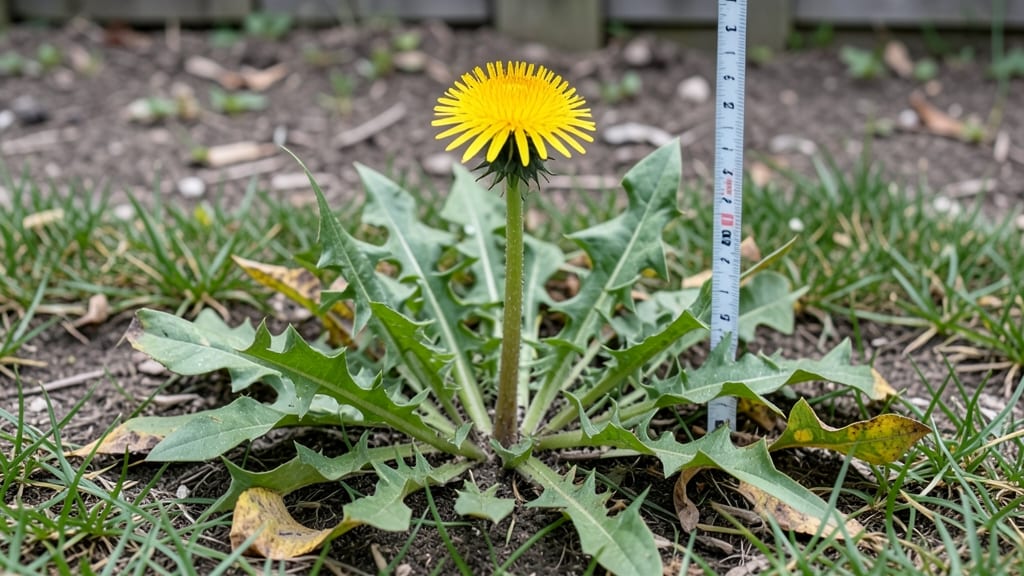
Understanding how sunlight exposure effects on common lawn weeds can save you hours of backbreaking work and keep your grass lush year-round. 🌱 I’ve spent years watching dandelions dominate sunny patches while clover thrives in shade—turns out, weeds don’t just grow randomly. They follow the light like a map.
The key is knowing which weeds love full sun (like crabgrass) and which tolerate shade (like creeping Charlie). Most people overwater or over-fertilize, giving weeds exactly what they need to spread.
Instead, adjust your approach: thicken grass in sunny spots with proper mowing height, and mulch or shade-tolerant ground covers in darker areas. It’s not about fighting weeds—it’s about starving them out by controlling their favorite conditions.
Once you recognize the light patterns in your yard, you’ll spot weed hotspots before they take over. A simple test: walk your lawn at different times of day and note where weeds look most vigorous.
That’s where you’ll focus your prevention—whether it’s adjusting mower blades, planting deeper-rooted grass, or using targeted pre-emergent treatments in spring.
This isn’t just about pulling weeds—it’s about rewriting the rules of your lawn so they can’t win. The best part? Healthy grass crowds out weeds naturally, and you’ll spend less time yanking them by hand. Let’s turn your yard into a place where weeds don’t stand a chance.
📚 In This Guide
- What you need
- Instructions
- Tips and common mistakes
- Wrapping up and next steps
What you need
- ● Common lawn weeds: Identify and collect at least 5–10 samples of each target weed (e.g., dandelions, clover, crabgrass, or plantain). Ensure they’re healthy and at a similar growth stage.
- ● Small pots or trays: 6–12 individual containers (4–6 inches in diameter) with drainage holes, or a single large tray divided into sections.
- ● Potting soil: 1–2 bags of high-quality, well-draining garden soil (sterilized if possible to avoid contamination).
- ● Watering can or spray bottle: For consistent moisture without over-saturating the soil.
- ● Measuring tape or ruler: To track weed height and growth over time.
- ○ Digital scale (optional but helpful): For monitoring biomass changes.
- ● Grow lights or LED panels: 1–2 adjustable spectrum lights (full-spectrum or with red/blue LEDs) to simulate varying sunlight intensities.
- ● Reflective surfaces: Aluminum foil or white boards to redirect light for high-light conditions.
- ● Opaque covers (e.g., cardboard or black plastic): To create low-light or shade conditions.
- ● Timer or smart plug: To regulate light exposure (e.g., 4–16 hours/day, mimicking natural sunlight variations).
- ● Notebook or spreadsheet: To log observations (growth rate, leaf color, flowering, etc.).
- ● Camera or phone: For visual documentation of changes over 2–4 weeks.
- ● Labeled markers or tags: To identify each pot/weed type and light condition.
- ● Randomize placement: Arrange pots randomly under different light conditions to avoid bias.
- ● Control variables: Use the same soil, watering schedule, and pot size for all samples.
- ● Label clearly: Include weed type, light treatment, and date planted to stay organized!
How light levels shape your lawn’s weed battles
Here's how to use sunlight as your secret weapon against stubborn weeds.
🌱 Step 1: Identify Your Lawn’s Light Zones
Start by walking your yard at midday to map out full sun (6+ hours direct light), partial shade (3-6 hours), and deep shade (<3 hours) areas. I like to use a simple method: place a white board or piece of paper in different spots for an hour. If it stays cool to the touch, that's shade; if it warms up quickly, it's full sun.
Weeds like dandelions and clover thrive in full sun, while nutsedge and moss prefer shade. This simple assessment tells you exactly where weeds will take over if you don’t intervene. Pay special attention to edges where light conditions change abruptly—these are prime weed invasion zones.
☀️ Step 2: Understand How Weeds React to Light Changes
Most common lawn weeds grow aggressively in full sun but struggle in partial shade. For example, crabgrass sends up long, thin stems toward light, while chickweed stays low and spreads rapidly when shaded. The key is their photosynthesis response: weeds that get too little light become weak and yellow, while those in ideal light grow thick, competitive roots.
I’ve found that morning sun (before 10 AM) is less intense than afternoon sun, so weeds in these spots grow slower. If you’re dealing with a persistent weed patch, try blocking afternoon sun first—it often breaks their growth cycle faster than you’d expect.
🌿 Step 3: Adjust Light Exposure to Weaken Weeds
For full-sun weeds like crabgrass or plantain, shade them out temporarily by placing lightweight shade cloth (30-50% block) over the area for 2-3 weeks. You’ll see leaves yellow and stems soften within 5-7 days. This works because weeds can’t photosynthesize efficiently in reduced light, while your grass (if properly seeded) will tolerate the change better.
In shady areas, thin out dense foliage to let more light reach the lawn. Weeds like moss and nutsedge rely on low light—even 1 extra hour of indirect light daily can weaken their hold. Avoid heavy pruning, though; just remove enough to let sunlight filter through. You’ll notice weed growth slow dramatically within 10-14 days of this adjustment.
✂️ Step 4: Time Mowing and Trimming for Light Control
Mow high (3-4 inches) in full sun to shade out weed seeds before they germinate. Taller grass blocks 90% of light at soil level, which is enough to prevent weeds like clover from taking root. In shady areas, mow low (2 inches) to encourage grass density—this outcompetes weeds that prefer dim conditions.
Trim edges and overhanging branches in late afternoon to avoid casting sudden shade. Sudden light changes stress weeds more than gradual adjustments. If you’re dealing with a stubborn weed patch, time your trimming for early spring when weeds are just starting to grow—this gives your grass a head start.
💧 Step 5: Combine Light Adjustments with Watering
Water deeply (1 inch per week) in full-sun areas to encourage deep grass roots, which crowd out weeds. Shallow watering keeps weeds like crabgrass thriving at the surface. In shady spots, water lightly (½ inch per week)—weeds there are already stressed by low light, and overwatering just helps them spread.
Here’s the trick: water in the morning so weeds dry out by evening. Wet leaves at night invite fungal diseases that weaken both grass and weeds—but you’ll see weeds recover faster than grass, so this gives your lawn the edge. Consistency is key: stick to the same schedule for 4-6 weeks to see real changes.
Tips & tricks for mastering sunlight control against lawn weeds
Sunlight management isn't just about pulling weeds—it's about understanding their growth habits and working with nature's light cycles.
Precision Timing in Step 3: When using shade cloth on full-sun weeds, place it in the morning before 10 AM to block the most intense afternoon sunlight. I've found that removing it by mid-afternoon gives your grass a chance to recover while still weakening the weeds. The 5-7 day yellowing effect happens fastest when you block that critical afternoon light window.
Visual Cues for Step 1: For identifying light zones, look for natural indicators: areas with lichen on trees or rocks are deep shade, while patches where your grass turns brown in summer are full sun. I also check my lawn at different times—morning shadows reveal partial shade spots that aren't obvious at midday. This visual assessment helps you map zones more accurately than just walking through once.
Seasonal Strategy for Step 4: In early spring, time your trimming for just after the first warm day (when weeds start growing) but before they establish deep roots. I've had the best success trimming in late March or early April in my climate zone—this gives your grass a 4-6 week head start before weeds get established. The key is catching weeds when they're young and vulnerable.
Watering Consistency Tip: The 4-6 week consistency mentioned in Step 5 is crucial—don't expect results after just one week. I mark my watering schedule on a calendar and set reminders. Morning watering is especially important: weeds left wet overnight develop fungal diseases that weaken them faster than dry conditions. This gives your grass the competitive edge it needs to outcompete weeds.
Pro Tips for Sunlight Exposure Effects On Common Lawn Weeds
- Sunlight management isn't just about pulling weeds—it's about understanding their growth habits and working with nature's light cycles.
- Precision Timing in Step 3: When using shade cloth on full-sun weeds, place it in the morning before 10 AM to block the most intense afternoon sunlight.
- Visual Cues for Step 1: For identifying light zones, look for natural indicators: areas with lichen on trees or rocks are deep shade, while patches where your grass turns brown in summer are full sun.
Frequently asked questions
Got questions about sunlight and weeds? You’re not alone!
Here are some of the most common concerns—and straightforward answers—to help you manage your lawn like a pro.
How much sunlight do weeds really need to thrive?
Most common lawn weeds—like dandelions, crabgrass, and clover—thrive in partial to full sunlight (6+ hours daily). However, shade-tolerant weeds (e.g., nutsedge or moss) dominate low-light areas. Reduce their growth by blocking light with dense grass or mulch, or use shade cloth if sunlight is limited.
Can I outsmart weeds by adjusting sunlight exposure?
Weeds hate competition. Thicken your lawn with fast-growing grass seed or tall fescue to starve them of light. For stubborn patches, try a light-blocking tarp for 2–4 weeks to kill weeds before reseeding. Just remember: consistency is key—weeds bounce back fast if given a chance!
What’s the best time of day to mow to prevent weeds?
Mow when weeds are dormant—early morning or late afternoon—to avoid stressing them with midday heat. Height matters too: Keep grass at 3–4 inches tall to block sunlight from weed seeds. Pro tip: Mow high in summer (weeds need light to germinate) and lower in fall/winter to weaken their roots.
Are there sunlight-resistant grass types that outcompete weeds?
Yes! Tall fescue and perennial ryegrass tolerate partial shade and grow aggressively, crowding out weeds. For sunny lawns, Kentucky bluegrass or zoysia are tough competitors. Pair these with pre-emergent herbicides in early spring for extra defense.
Why are weeds growing more after I increased sunlight?
This is normal! More light = faster weed growth. But don’t panic: it’s a sign your lawn needs help. Thin grass? Add seed. Bare spots? Top-dress with compost. If weeds persist, spot-treat with vinegar (for small patches) or a targeted herbicide. Patience pays off! Healthy grass will reclaim space within 4–6 weeks.
Bonus Tip: Quick Fix for Weedy Shady Spots
If your lawn is too shady for grass, try clover (nitrogen-fixing!) or creeping thyme—both tolerate low light and suppress weeds naturally. For instant results, lay down landscape fabric and cover with mulch to block light entirely.
Wrapping up and next steps
Understanding how sunlight exposure impacts common lawn weeds empowers you to take control of your outdoor space! 🌱 Whether it’s crabgrass basking in full sun or clover thriving in shade, light levels dictate their growth—and your strategy. Now’s the time to act: adjust mowing heights, mulch strategically, or apply pre-emergent treatments before weeds gain the upper hand.
A little knowledge and proactive care can turn those pesky intruders into a thing of the past!