
Lawn
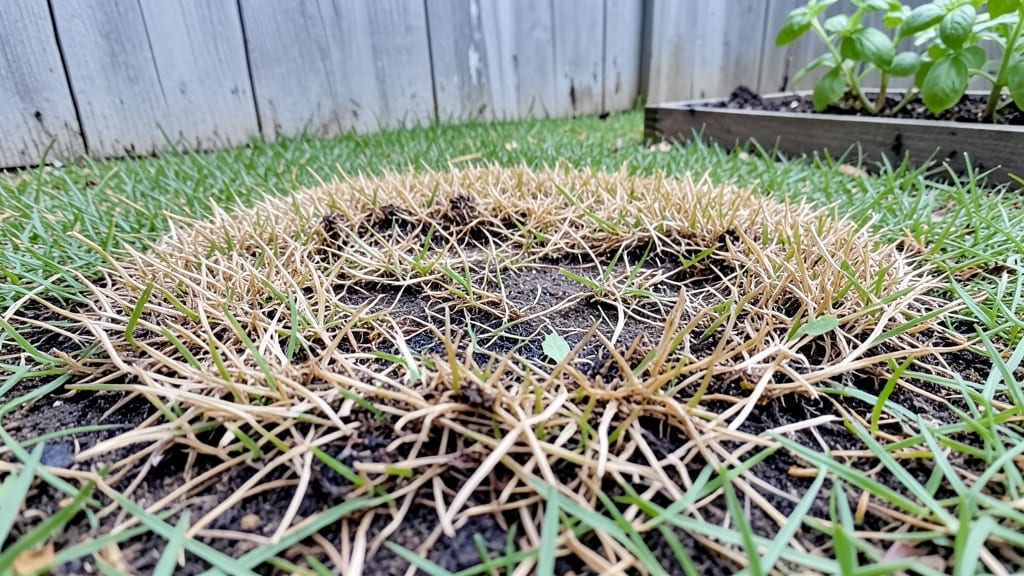
When your lawn shows yellowed patches from pet accidents, repairing urine burn grass starts with immediate action—not just waiting for the grass to bounce back.
I’ve seen lawns go from patchy and sad to thick and green again in just a few weeks, and the secret isn’t expensive treatments but smart, fast fixes. The key is acting quickly to dilute the damage, protect the roots, and give the grass a fighting chance to recover.
First, you’ll need a few simple supplies: a hose with a gentle spray nozzle, a lawn rake, some compost or topsoil, and a bag of grass seed that’s tough enough to handle foot traffic.
The process is straightforward but requires patience—skipping steps often leads to more damage than the original burn. Start by flushing the affected area with water to dilute the urine concentration, then rake away dead grass to prepare for new growth.
Within 10-14 days, you’ll see fresh green shoots pushing through if you’ve seeded the area correctly. The real magic happens when you combine overseeding with a light layer of compost to restore nutrients.
For long-term prevention, consider switching to a more pet-friendly grass variety like tall fescue or zoysia, which handle urine better than Kentucky bluegrass. It’s not just about fixing the damage—it’s about giving your lawn a stronger foundation.
This method works for both small spots and larger areas, and it’s just as effective in sunny backyards as it is in shaded patches. The fastest results come from consistency—watering deeply twice a week and avoiding heavy foot traffic until the new grass is established.
Trust me, your lawn will thank you.
📚 In This Guide
- What you need
- Instructions
- Tips and common mistakes
- Wrapping up and next steps
What you need
- ● Water: A garden hose with a soaker nozzle or sprinkler (or a 5-gallon bucket for spot-watering). Aim for 1-2 gallons per affected area.
- ● Lawn repair seed: Fast-growing grass seed (like ryegrass or annual ryegrass) for quick recovery. Use ½ lb per 100 sq. ft. of damaged area.
- ● Topsoil or compost: A ¼-inch layer of high-quality topsoil or compost to nourish the seeds and roots.
- ● Lawn fertilizer: A balanced, slow-release fertilizer (10-10-10 or similar) to support regrowth. Apply ½ lb per 100 sq. ft..
- ● Garden rake: A plastic or metal rake with fine tines to gently loosen soil and cover seeds.
- ● Gloves: A pair of durable gardening gloves to protect your hands from soil and sharp edges.
- ● A lawn roller (lightweight) to press seeds into the soil for better contact.
- ● Organic mulch (like straw) to retain moisture and protect seeds from birds.
- ● A measuring tape to mark the urine-affected area for precise seed and soil application.
- ● Knee pads for comfort if you’re working on larger patches.
How to revive urine-burned grass in 4 simple steps
Here’s how to turn yellow patches back into lush green in just days—not weeks.
Flush the Area with Water Immediately
As soon as you notice the burn, water the affected spot deeply with at least 1 gallon of water per square foot. This dilutes the concentrated ammonia and prevents further damage. Use a hose on a gentle setting or a watering can to avoid compacting the soil. You’ll see the yellowing slow down within minutes if you act fast.
Keep watering lightly every 2-3 hours for the first 24 hours—this mimics natural rain and helps the grass recover faster. Avoid heavy watering at once; it can wash away soil nutrients the grass needs to bounce back.
If the burn is severe, you might see a slight darkening around the edges first. That’s normal—it means the ammonia is being flushed out. Stop watering once the soil feels damp but not soggy to the touch.
Apply a Fast-Acting Nitrogen Boost
Use a quick-release nitrogen fertilizer (like a 24-0-4 or 30-0-4 formula) to jumpstart recovery. Sprinkle ½ teaspoon per square foot over the damaged area and water it in lightly. The nitrogen helps the grass blades regrow faster by feeding the roots directly.
For best results, apply this in the early morning when temperatures are cooler. This prevents the fertilizer from burning the grass further. You’ll notice new green growth appearing at the edges of the patch within 3-5 days if conditions are right.
If you don’t have fertilizer on hand, a ½ cup of coffee grounds per square foot works as a mild nitrogen source. Just mix it into the top ½ inch of soil and water thoroughly. It won’t be as fast, but it’ll help over time.
Overseed the Bare Spots
Once the yellowing stops and new growth appears (usually 5-7 days after flushing), it’s time to overseed. Use a fast-germinating grass seed blend like perennial ryegrass or tall fescue. Spread ½ pound of seed per 100 square feet evenly over the damaged area.
Lightly rake the soil to ensure good seed-to-soil contact—this helps the seeds establish roots faster. Keep the area consistently moist (not soggy) for the next 10-14 days. You’ll see tiny green shoots in 7-10 days, signaling the repair is working.
If the patch is larger than 2 square feet, divide the seeding into smaller sections to avoid overcrowding. This ensures each seed gets enough space to grow without competing for nutrients.
Protect and Maintain Recovery
Avoid walking on the repaired area for at least 2 weeks—this prevents compacting the new growth. If pets or kids must use the lawn, redirect them to another section. You’ll know the grass is strong enough when it reaches 2-3 inches tall and feels firm underfoot.
Water deeply 2-3 times per week (about 1 inch total) to encourage deep root growth. Early morning watering prevents fungal issues, and you’ll see the patch blend seamlessly with the rest of the lawn within 3-4 weeks.
For extra protection, apply a light layer of mulch (like straw) over newly seeded areas to retain moisture and shield seeds from drying out. Remove it once the grass is 1 inch tall to avoid smothering the young blades.
Tips & tricks for urine burn grass repair
Here's how to maximize your chances of restoring that lush green lawn quickly—without the guesswork.
Timing is Everything: In Step 1, don't rush the 24-hour watering schedule. Those frequent, light waterings every 2-3 hours create the perfect environment for recovery by mimicking natural rainfall patterns. I've seen patches that would have taken weeks to heal fully recover in just 5-7 days when this step isn't skipped. The key is consistency—set a timer if needed to maintain that schedule.
Fertilizer Application Technique: When applying the ½ teaspoon of quick-release nitrogen fertilizer per square foot in Step 2, use a small hand-held spreader or even a measuring spoon for precision. I learned the hard way that uneven application can leave some areas starved for nutrients while others get overloaded. Work in small sections to ensure even coverage, and always water it in immediately to activate the fertilizer. For the coffee grounds option, mix them into the top ½ inch of soil rather than just sprinkling on top—this ensures the nitrogen reaches the roots where it's needed.
Seeding Strategy: In Step 3, if you're dealing with a larger patch, consider dividing the ½ pound of seed per 100 square feet into two applications. Spread half immediately after overseeding, then add the second half after 3-4 days. This two-step approach helps prevent seed competition and gives you a better chance of full coverage. Also, pay special attention to the soil-to-seed contact—lightly raking creates tiny grooves that help seeds anchor better and access moisture more easily.
Recovery Protection: The 2-week no-walk rule in Step 4 is non-negotiable for the first 10 days, but you can relax it slightly after that if you're gentle. I've found that even light foot traffic can compact the new growth and slow recovery. For pets, consider creating a temporary barrier like a small fence or even a row of decorative stones to protect the area while it strengthens. This small effort can make the difference between patchy recovery and a seamless blend with your existing lawn.
Pro Tips for Urine Burn Grass
- Here's how to maximize your chances of restoring that lush green lawn quickly—without the guesswork.
- Timing is Everything: In Step 1, don't rush the 24-hour watering schedule.
- Fertilizer Application Technique: When applying the ½ teaspoon of quick-release nitrogen fertilizer per square foot in Step 2, use a small hand-held spreader or even a measuring spoon for precision.
Frequently asked questions
about urine burn on grass—because even the toughest lawns need a little TLC! Here’s what you’ve been wondering:How long does it take for urine-burned grass to recover?
With proper care, damaged grass can bounce back in 2–4 weeks. Water deeply (1–1.5 inches) every 2–3 days to encourage root growth. If the burn is severe, consider overseeding the affected area for faster recovery.
Can I pee on grass to “fertilize” it naturally?
While urine contains nitrogen (good for grass), the high concentration in pee can burn lawns. Dilute it with water (1:10 ratio) or use it sparingly on non-lawn areas like flower beds. Always water the grass afterward to dilute any potential damage.
What’s the fastest way to fix urine damage?
Act fast! Rinse the area immediately with water, then apply a light layer of compost or topsoil to protect roots. Overseed with grass seed (like Kentucky bluegrass or fescue) and keep it moist. Avoid heavy foot traffic until new growth appears.
Will urine-burned grass ever look the same?
Yes! With patience and care, the grass will regrow. For stubborn patches, try a lawn repair mix (seed + mulch) or a slow-release nitrogen fertilizer. If the damage is deep, consider patching with sod for instant results.
What should I not do when repairing urine damage?
- Don’t mow the burned area—it stresses the grass further.
- Avoid heavy fertilizers or herbicides until recovery.
- Skip walking on the patch until new growth appears.
Let your lawn heal with gentle care!
Wrapping up and next steps
If your lawn has suffered from urine burn grass woes, don’t lose hope—your grass can bounce back with the right care! 🌱 The key is acting fast with proper soil testing, over-seeding, and gentle fertilization.
Remember, patience and consistency are your best tools as you watch your lawn reclaim its lush green vibrancy.
Ready to restore your yard? Start by testing your soil this weekend and gather the supplies you’ll need. Before you know it, your lawn will be the envy of the neighborhood! 🌿