
Lawn
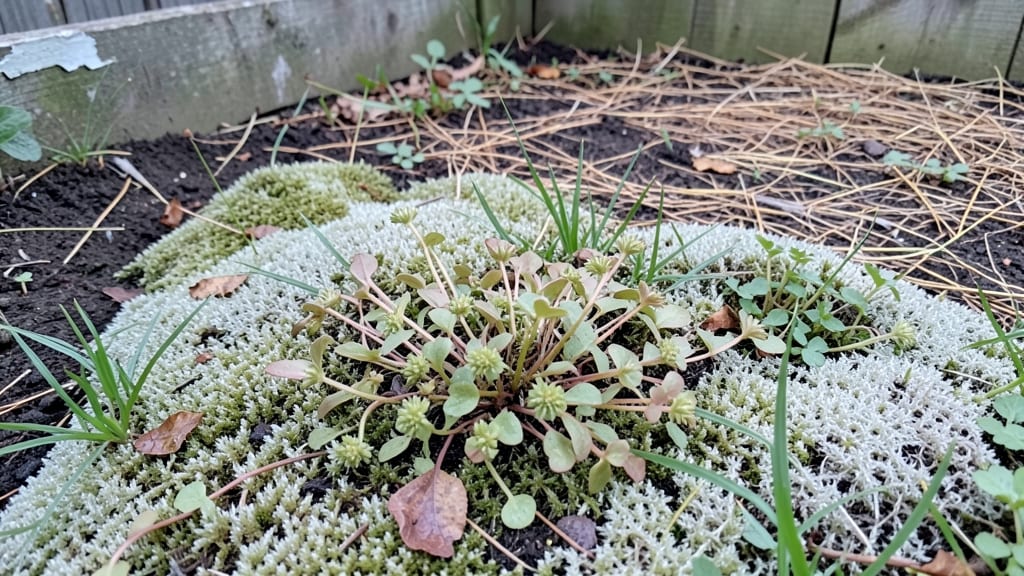
What causes moss in lawns is a combination of poor sunlight exposure, excessive moisture, compacted soil, and acidic pH levels below 6.0, which allows moss to spread rapidly through spores while outcompeting grass.
Moss doesn't just pop up randomly—it thrives when grass can't keep up, especially in shady, damp spots where sunlight barely reaches. 🌱 The real problem is how moss forms dense mats that block air and water from grass roots, creating a feedback loop where turf weakens further.
I've seen moss take over entire lawns within a single wet season if left unchecked, particularly in areas with poor drainage or heavy foot traffic that compacts the soil.
Here's the kicker: moss isn't just an eyesore—it's a sign your lawn's struggling with deeper issues. While it might look green and lush, it's actually crowding out your grass by stealing nutrients and moisture.
The good news? Fixing these underlying conditions—like improving airflow, adjusting pH, or choosing more resilient grass varieties—can help reclaim your lawn before moss becomes permanent.
💡 In This Article
- How Moss Outcompetes Grass in Lawns
- Preventing Moss Growth Through Soil and Lawn Care
How moss outcompetes grass in lawns
Moss has a biological advantage in lawns because it thrives in conditions where grass struggles—particularly low-light environments and high humidity.
Unlike grass, which relies on deep root systems to access sunlight and nutrients, moss has evolved to capture moisture and nutrients directly from the air and surface soil through its leafy structures.
This adaptation allows moss to grow in areas receiving as little as 25-50% of full sunlight, while most common lawn grasses need at least 4-6 hours of direct sunlight daily to survive.
The real competition begins with moss's reproduction strategy. While grass spreads through seeds (which require specific conditions to germinate), moss reproduces via spores—tiny, lightweight cells that travel easily on wind or water.
A single moss plant can release thousands of spores per square inch, creating a carpet-like spread that grass seeds simply can't match.
When moss forms dense mats, it blocks 90% of sunlight from reaching grass roots below, effectively starving them of energy while trapping moisture that moss absorbs through its entire surface.
Here's the science behind why moss wins in wet conditions: its cells contain hydrophilic compounds that actively draw in water, even from damp air. This gives moss a 20-30% faster growth rate in high-humidity environments compared to grass.
The dense moss layer also creates a microclimate that maintains moisture, while grass roots suffocate from lack of oxygen in the compacted, waterlogged soil beneath. 🌧️ In my experience working with lawns, this is why moss often appears in low-lying areas where water pools after rain—it's not just surviving there, it's dominating.
Soil pH plays a crucial role too. Most lawn grasses prefer a slightly acidic to neutral pH (6.0-7.5), while moss thrives in acidic conditions below 6.0.
When soil pH drops (often from organic matter decomposition or aluminum buildup), moss gains an edge by absorbing nutrients more efficiently in these conditions. The result? Grass weakens while moss spreads unchecked, creating that familiar green carpet that looks lush but is actually crowding out your turf.
What most people don't realize is how moss physically changes the soil structure. Its root-like structures (called rhizoids) don't penetrate deeply—they only anchor to the surface. This creates a thatch layer that blocks water and air from reaching grass roots below.
Over time, this layer can become up to 1 inch thick, effectively smothering grass while providing an ideal growing environment for moss to expand. The cycle becomes self-perpetuating unless you intervene with proper lawn care techniques.
Consider this comparison: In a shady, damp lawn with acidic soil, moss can grow 3-4 times faster than grass during spring and fall—its peak growing seasons. This is why you'll often see moss take over within 2-3 years if the underlying conditions aren't addressed.
The key takeaway? Moss doesn't just grow where grass can't—it actively outcompetes grass by exploiting environmental conditions that turf simply can't handle. 💫