
Lawn
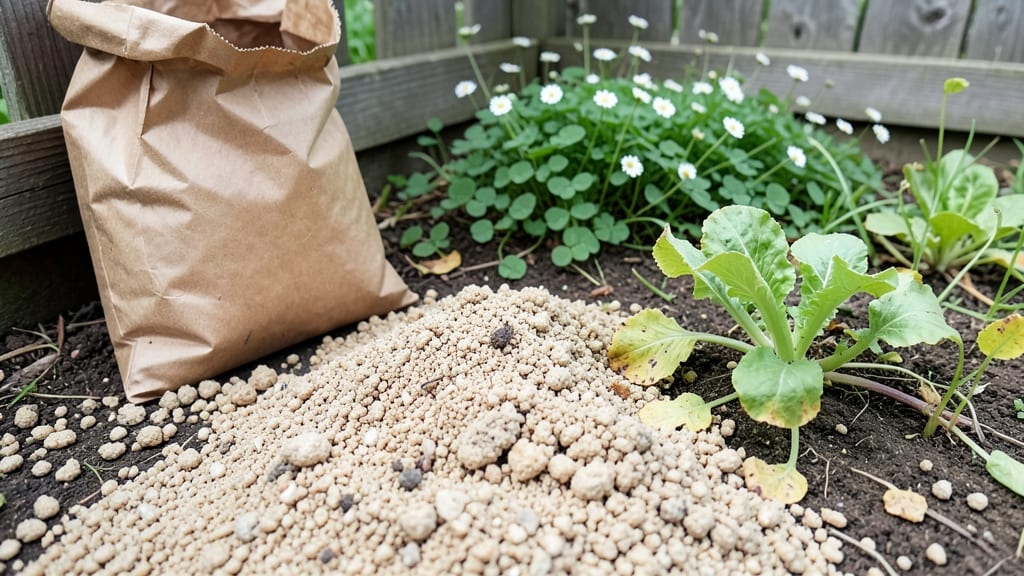
Dog urine contains high levels of ammonia and nitrates that disrupt soil chemistry and burn grass roots, creating those familiar yellow-brown patches. 🌱 The key is acting fast—within 10 minutes—to dilute the urine and restore balance.
Baking soda neutralizes acidity while vinegar breaks down uric acid crystals, but commercial enzymatic cleaners go deeper by digesting the organic compounds entirely. For clay-heavy soils, I recommend a 1:2 vinegar-to-water spray first to loosen the soil before applying neutralizers.
If your lawn has clover or fescue, be extra cautious—these grasses are more sensitive to pH swings. A 1-inch layer of compost spread after treatment can help restore microbial balance in the soil. For stubborn odors, repeat the process every 2-3 days until the area fully recovers.
💡 In This Article
- How Dog Urine Damages Grass and Soil Chemistry
- Best Natural vs Commercial Dog Urine Neutralizers Compared
How dog urine damages grass and soil chemistry
Dog urine is essentially a concentrated cocktail of ammonia, uric acid, and nitrates that wreaks havoc on your lawn's chemistry.
When your pup pees, the urine's pH can drop to 5.5-6.5—more acidic than coffee—while the ammonia concentration reaches 300-500 parts per million (ppm), far exceeding what grass roots can tolerate.
This chemical imbalance creates a double whammy: the high acidity burns root membranes, and the ammonia disrupts cellular respiration, essentially suffocating the grass at a microscopic level. 🔥
The yellow-brown patches you see aren't just dead grass—they're visual evidence of cellular breakdown. Ammonia reacts with soil minerals to form nitrates, which leach essential nutrients like potassium and phosphorus from the soil. Over time, this creates nutrient-poor "hot spots" where grass struggles to regrow.
The brown discoloration comes from oxidized plant pigments when root cells rupture, while the yellowing indicates chlorophyll degradation from nutrient starvation. What's worse? These chemical changes persist for 3-6 weeks unless properly neutralized.
Here's where soil microbes come into play: dog urine disrupts the delicate balance of beneficial bacteria and fungi in the rhizosphere (the soil zone around roots). These microbes help break down organic matter and make nutrients available to plants.
When urine's high salt content (0.5-1.0% sodium chloride) enters the soil, it creates osmotic stress, causing microbial populations to crash by up to 40%. This microbial die-off reduces the soil's ability to process organic waste and recycle nutrients, creating a vicious cycle of lawn degradation. 🌱
The damage isn't just chemical—it's physical too. The concentrated urine creates localized soil compaction as the liquid evaporates, leaving behind a crust that blocks water and air penetration. This is why urine-affected areas often stay damp longer and develop that characteristic spongy feel.
For sandy soils, the problem is even worse because the particles don't buffer the chemical shock as effectively as clay or loam soils would. The result? Grass roots in treated areas can take 3-4 times longer to recover compared to unaffected lawn sections.
What most people don't realize is that the damage occurs in stages. First comes the immediate burn from ammonia (visible within 24 hours), then the nutrient depletion phase (1-2 weeks), followed by the long-term microbial imbalance that can persist for months.
The key factor is timing: urine's ammonia content peaks within 30 minutes of being deposited, which is why immediate dilution is critical. Without intervention, each urine spot creates a 6-inch diameter zone of chemical stress that expands as rain washes the compounds deeper into the soil profile. ✨
Consider this: a medium-sized dog produces about 10-12 ounces of urine per day, containing enough ammonia to raise soil pH by 1.5-2.0 points in a localized area. That's enough to make the soil nearly 10 times more acidic than optimal for most grass species.
The yellowing you see isn't just cosmetic—it's a clear sign the grass is starving for nitrogen while being poisoned by excess ammonia. The brown patches? Those are dead roots that can't recover without proper pH correction and microbial restoration. 💫
For lawns with clay-heavy soils, the problem compounds because clay particles hold onto ammonia and nitrates more tightly, preventing them from being washed away by rain. This creates a prolonged chemical time bomb that can keep grass from recovering for several months.
The solution? Act within 10 minutes of urination to dilute the concentration before the chemistry gets out of control. Every second counts when you're dealing with this kind of molecular assault on your lawn. ⚡