
Lawn
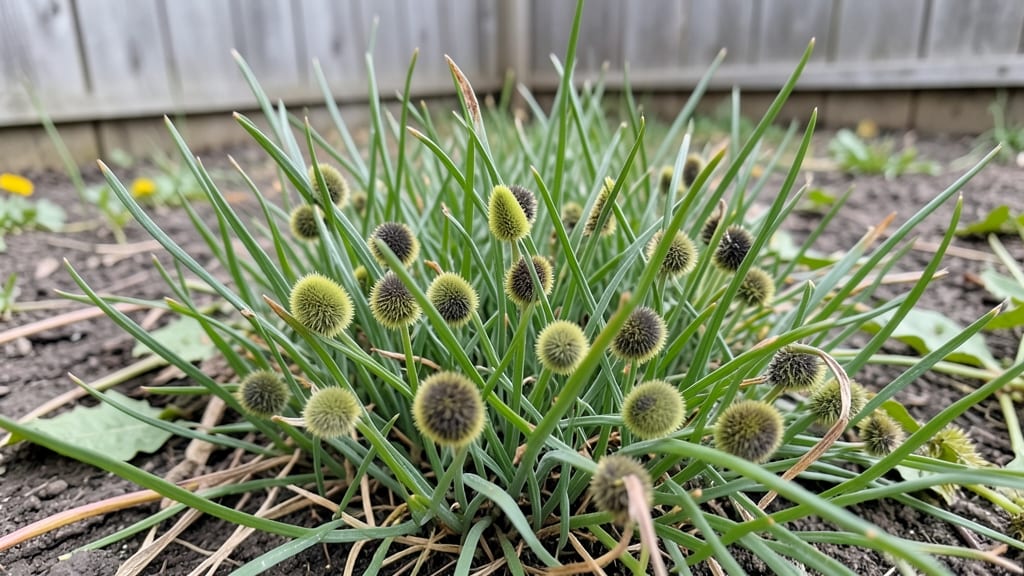
Why do I have dark green spots on my lawn that feel spongy underfoot—might it be dollar spot fungus, or could something else entirely be to blame? 🌱 I’ve seen this puzzle gardeners for years, and the first step is figuring out whether it’s a disease. overwatering, or even a nutrient imbalance hiding in plain sight.
The most common culprit is dollar spot, a fungal infection that thrives in warm, humid weather and leaves behind those telltale dark green patches with yellow rings. But it could also be overwatering (roots need air too), compacted soil blocking nutrients, or even grubs munching away underground.
The key is checking the texture and spread before jumping to treatments.
Once you identify the cause, fixes are straightforward: adjust watering, aerate compacted soil, or apply a targeted fungicide for fungal issues. I’ve used a simple mix of baking soda and water for mild cases—it works faster than you’d think.
The goal is to restore that even, vibrant green without overcomplicating things.
This works for most lawns, whether you’re dealing with a small patch or larger areas. Let’s break down the exact steps to diagnose and fix it—no guesswork needed.
Why it happens
Dark green spots on your lawn aren’t just an eyesore—they’re often a sign that something is actively disrupting your grass’s health. Whether it’s a hidden fungal infection, an invasive weed, or even a nutrient imbalance, understanding the root cause is the first step to restoring your lawn’s lush, even appearance.
Below, we break down the most common reasons these spots appear, along with the science behind them so you can diagnose—and fix—the problem accurately.
🍄 Fungal Infections: The Silent Invaders
Fungal diseases are the #1 culprit behind dark green (or sometimes brown) spots on lawns, especially in humid or damp conditions. Fungi thrive in warm, moist environments and can spread rapidly if left unchecked. Here’s how they manifest:
- Dollar Spot (Sclerotinia homoeocarpa): This fungus creates small, circular spots (about the size of a dollar coin) with a dark green or reddish-brown center. It thrives in cool, wet weather and often appears in high-traffic areas or shaded spots. The fungus feeds on grass blades, causing them to weaken and die.
- Brown Patch (Rhizoctonia solani): More common in summer heat, this fungus creates larger, irregular patches with a dark green or purplish ring around the edges. The grass in the center often turns brown and feels spongy to the touch. Overwatering or poor drainage creates the perfect breeding ground.
- Necrotic Ring Spot (Rhizoctonia cerealis): This fungus leaves behind dark green rings or arcs with a tan or brown center. It’s often confused for a weed or chemical burn, but the key giveaway is the distinct ring pattern.
💡 Pro Tip: Fungal spores are always present in soil—it’s the right conditions (moisture, heat, or stress) that trigger outbreaks. If you’ve had recent rain, heavy dew, or overwatering, fungi are likely the culprit.
🌱 Weeds: The Sneaky Green Imposters
Not all dark green spots are caused by disease—some are simply weeds disguising themselves as healthy grass. Weeds like creeping bentgrass, nutsedge, or clover can create dense, vibrant patches that stand out against thinner lawn areas. Here’s how to spot them:
- Broadleaf Weeds (e.g., clover, dandelions): These weeds have wider leaves than grass and often grow in clusters. They’re usually darker green and more resilient than the surrounding turf.
- Grassy Weeds (e.g., nutsedge, crabgrass): These look like grass but grow in dense, uniform patches with no visible blades of your actual lawn grass. Nutsedge, for example, produces a triangular stem and thrives in moist soil.
- Creeping Bentgrass: A cool-season grass that spreads aggressively, creating thick, dark green mats that choke out your desired turfgrass.
🔍 Key Difference: Run your hand over the spot—if it feels softer or springier than the rest of your lawn, it’s likely a weed. Pull up a few strands to confirm.
🌡️ Nutrient Imbalances: Too Much of a Good Thing
Sometimes, dark green spots aren’t a sign of damage—they’re a sign of overfeeding. While you might think more fertilizer equals a greener lawn, excess nitrogen can create localized areas of rapid growth, leading to thick, dark patches that contrast sharply with the rest of your turf.
Here’s why it happens:
- Over-Fertilization: Applying too much nitrogen (especially in slow-release or synthetic forms) causes grass to grow too quickly in certain spots. This creates a dense, dark green "hot spot" while the rest of the lawn lags behind.
- Uneven Soil pH: If your soil is too acidic or alkaline in certain areas, your lawn may absorb nutrients unevenly. Dark green patches can form where nutrients are overly available, while other areas suffer from deficiency.
- Thatched Buildup: A thick layer of dead grass, roots, and debris (thatch) can block water and nutrients from reaching the soil evenly. This leads to patchy growth, with some areas becoming unnaturally lush.
📊 Test Your Soil: A simple soil test kit (available at garden centers) can reveal if pH or nutrient levels are the issue. If nitrogen is the culprit, reduce feeding and water deeply to dilute excess nutrients.
🐛 Pest Damage: Hidden Destroyers
Underground pests like grubs, chinch bugs, or mole crickets can silently devastate your lawn, leaving behind dark green spots that mask the real problem: dead or dying grass. Here’s how pests create these spots:
- Grubs (White Grubs): These C-shaped larvae munch on grass roots from below, causing the grass to turn brown and pull up easily. However, if the grass is still green but spongy or uneven, it’s often because the roots are compromised, and the grass is clinging to life.
- Chinch Bugs: These tiny pests suck sap from grass blades, leading to stunted, dark green patches that eventually turn yellow or brown. They thrive in hot, dry conditions and are common in St. Augustine or Bermuda grass.
- Mole Crickets: These burrowing pests create irregular, dark green spots where they’ve tunneled underground, disrupting root systems.
👨🍳 DIY Pest Test: Lift a small section of the dark spot—if you see white grubs, bugs, or tunnels in the soil, pests are the problem. Treat with beneficial nematodes or insecticidal soap for a natural fix.
💧 Watering Issues: Too Much or Too Little
Watering problems—whether overwatering or underwatering—can create dark green spots by stressing your lawn in unexpected ways:
- Overwatering: Excess moisture drowns grass roots, leading to anaerobic conditions (lack of oxygen) that promote fungal growth. Dark green spots may appear soggy or mushy to the touch.
- Underwatering: While this usually causes brown patches, uneven watering (e.g., a sprinkler head spraying only certain areas) can create dark green "oases" where grass gets too much water, while surrounding areas dry out.
- Poor Drainage: Low spots or clay soil can trap water, causing grass to grow unnaturally thick and dark in waterlogged areas.
⏰ Watering Schedule Fix: Water deeply 2-3 times per week (early morning) instead of daily shallow sessions. Adjust sprinklers to ensure even coverage—no dry or over-saturated pockets.
Quick fixes for lawn’s dark green spots
Now that you’ve identified the culprit behind those unsightly dark green patches, it’s time to take action! Whether it’s a fungal infection, overwatering, or nutrient overload, here’s how to tackle each issue—plus tips to keep your lawn lush and spot-free.
If your lawn is suffering from fungal diseases like dollar spot, brown patch, or red thread, act fast before it spreads.
🔥 Step 1: Remove the Affected Areas
- Use a sharp garden rake or spade to scrape out the infected grass and soil (about 2–3 inches deep).
- Do not compost this debris—fungi can survive and reinfect your lawn. Instead, bag and dispose of it in the trash.
🍳 Step 2: Apply a Fungicide
- Choose a broad-spectrum fungicide labeled for lawn diseases (e.g., propiconazole, azoxystrobin, or myclobutanil).
- Follow the instructions on the label—usually, this means mixing with water in a sprayer and applying evenly.
- Best time to treat: Early morning or late afternoon to avoid stressing the grass in direct sunlight.
👨🍳 Step 3: Improve Airflow and Drainage
- Thin out dense grass with a mower or dethatcher to reduce humidity.
- Aerate your lawn (rent a core aerator or hire a pro) to help water drain faster.
- Rake up thatch (the layer of dead grass between soil and blades) to prevent fungal growth.
💡 Pro Tip:
🌡️ Water deeply but less often—fungi thrive in damp conditions. Aim for 1–1.5 inches of water per week, including rain.
If your lawn is soggy and suffocating, it’s time to cut back on the H₂O.
⏰ Step 1: Check Your Watering Schedule
- Morning is best—water early (5–9 AM) so grass dries before evening.
- Avoid daily watering—switch to 2–3 times per week for deeper soaking.
- Test soil moisture: Stick a screwdriver in the ground.
If it goes in easily, you’re overwatering.
🌱 Step 2: Fix Drainage Issues
- If water pools in low spots, grade the area slightly upward.
- Add sand or compost to heavy clay soil to improve drainage.
- Install French drains in severely waterlogged areas.
🎯 Pro Tip:
✨ Use a rain gauge to track how much water your lawn actually gets—you might be overestimating!
If dark green spots are from too much nitrogen or uneven fertilization, it’s time to rebalance.
📊 Step 1: Get a Soil Test
- Send a sample to your local extension office (affordable and accurate).
- Look for pH levels (6.0–7.0 ideal) and nutrient deficiencies (like potassium or phosphorus).
🍎 Step 2: Apply the Right Fertilizer
- If nitrogen is too high, switch to a low-nitrogen, high-potassium fertilizer (like 5-10-15).
- For uneven growth, use a slow-release fertilizer to prevent spikes.
- Avoid fertilizing in extreme heat—it can burn grass.
🔥 Pro Tip:
💡 Top-dress with compost (¼ inch layer) to improve soil health naturally—no chemicals needed!
If grubs, chinch bugs, or weeds are causing dark spots, attack them directly.
🔪 Step 1: Identify the Pest
- Grubs? Dig up a patch—if you see white, C-shaped larvae, treat with beneficial nematodes or imidacloprid.
- Chinch bugs? Look for yellow patches and tiny black bugs. Use neem oil or carbaryl.
🌱 Step 2: Remove Weeds
- Hand-pull small weeds or use a vinegar-based herbicide (for spot treatment).
- Prevent regrowth by applying corn gluten meal (natural pre-emergent).
💡 Pro Tip:
🌡️ Encourage natural predators—birds, toads, and ladybugs love munching on pests!
To keep your lawn spot-free and vibrant, follow these year-round tips:
✅ Mow high (3–4 inches) to shade roots and reduce stress. ✅ Sharpen mower blades—dull blades tear grass, inviting disease. ✅ Aerate & overseed in fall to strengthen weak areas. ✅ Clean up debris—fallen leaves and clippings harbor fungi. ✅ Monitor weather—fungi love hot, humid nights (adjust watering accordingly).
With the right approach, your lawn will bounce back greener than ever—no more mysterious dark spots in sight! 🚀🌿
Frequently asked questions about lawn spots
Why do my dark green patches feel spongy underfoot?
Spongy dark green areas are often a sign of fungal infection like brown patch or dollar spot. These fungi thrive in damp conditions and weaken grass roots, causing that mushy texture. Check for purplish rings at the edges—this is a classic symptom of fungal activity.
Could my dark green spots actually be weeds?
Weeds like creeping bentgrass or clover create dense, vibrant patches that look healthier than your lawn. Run your hand over the spot—if it feels softer or has broader leaves, it’s likely a weed. Pull a few strands to confirm.
Is overwatering really causing my lawn's dark spots?
Yes—excess water creates anaerobic conditions that suffocate grass roots, leading to fungal growth and dark, soggy patches. Test your soil: If a screwdriver slides in easily, you're overwatering. Switch to deep watering 2-3 times per week instead of daily light sessions.
How do I know if my spots need fungicide?
Use fungicide only if you confirm fungal disease (look for ring patterns or spongy texture). For mild cases, try a baking soda spray (1 tbsp per gallon of water) first. If spots spread quickly, use a broad-spectrum fungicide like propiconazole.
Will my lawn recover on its own?
Only if the problem is minor (like temporary overwatering). For fungal issues or pests, active treatment is needed. Aerate compacted soil, adjust watering, and apply targeted fixes. With proper care, most lawns recover within 4-6 weeks of addressing the root cause.