
Lawn
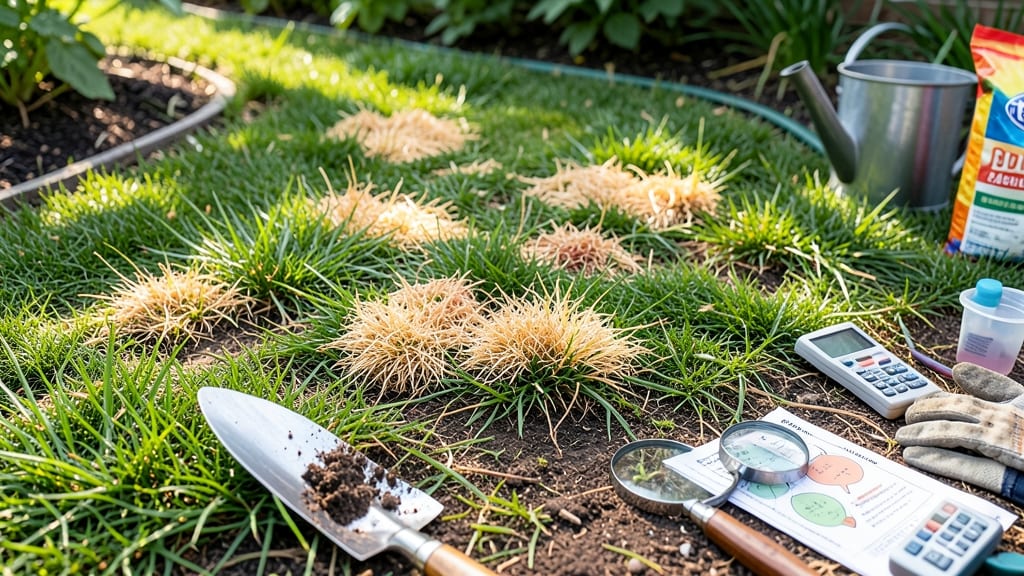
Your lawn’s yellow patches aren’t just unsightly—they’re a cry for help from your grass. 🌱 I’ve seen these spots spread from a single patch to half the yard when ignored, but the right fix can bring it back to vibrant green in weeks.
The culprit could be anything from fungal infections like dollar spot to grubs munching roots underground. My first step? Digging up a small patch to check for pests or testing soil moisture—often, the fix is simpler than you think.
With the right treatment—whether it’s fungicide, fertilizer, or just adjusting watering—you’ll see new growth within 10-14 days. The key is acting fast before the damage spreads. Prevention is easier than repair: regular aeration, proper mowing height, and seasonal soil tests keep your lawn healthy year-round.
The Hidden Triggers Behind Dead Spots
Yellow grass patches in your lawn aren’t just an eyesore—they’re often a cry for help from your turf. Understanding the root causes is the first step to restoring a lush, green carpet. Let’s break down the most common culprits and why they turn your grass from vibrant to lackluster.
When summer sun beats down relentlessly or rainfall dwindles, grass blades struggle to stay hydrated. Drought stress occurs when roots can’t absorb enough water to sustain the plant’s needs, leading to wilting, yellowing, and eventually dead patches.
Most grasses enter a dormant state under extreme heat, but if the stress persists, the damage becomes permanent. Fine fescue and Kentucky bluegrass are particularly susceptible, while tall fescue and bermuda grass tend to handle drought better due to deeper root systems.
Signs to watch for:
- Grass feels dry and crispy to the touch.
- Patches appear uniformly yellow, not just in isolated spots.
- Soil pulls away from the lawnmower blades when mowed.
💡 Pro Tip: If your lawn is already dry, water deeply but infrequently—aim for 1–1.5 inches per week, including rainfall. Early morning watering (before 10 AM) minimizes evaporation and fungal risks.
Fungal diseases thrive in warm, humid conditions and can turn your lawn into a yellowed, spongy mess. The most common offenders include dollar spot, brown patch, and red thread, each leaving distinct (but often overlapping) symptoms.
Fungi feed on organic matter in the soil and attack grass blades, disrupting their ability to photosynthesize. Dollar spot, for example, creates small, straw-colored circles, while brown patch leaves larger, irregular dead zones—especially in high-traffic areas.
Signs of fungal trouble:
- Thin, yellow patches with a velvety or fuzzy texture (early stages).
- Grass pulls up easily, revealing white fungal threads (mycelium).
- Problems worsen in shady, damp areas or after overnight watering.
🔥 Quick Fix: Improve airflow by thinning dense grass and avoid watering at night. Fungicides (like propiconazole) can help, but prevention—proper mowing height and core aeration—is key.
Beneath the surface, grubs, chinch bugs, or sod webworms can feast on grass roots, leaving behind unsightly yellow patches that often roll up like a carpet when tugged. These pests are most active in late summer and fall, but their damage can linger.
Grubs (larvae of beetles) are the most destructive—they chew through roots, causing grass to wilt and die in irregular, circular patches. Chinch bugs, on the other hand, pierce blades to suck out sap, leading to small, brown spots that expand rapidly.
How to spot them:
- Dig up a patch of grass—if you see white, C-shaped grubs or tiny black bugs, pests are the culprit.
- Yellowing starts at the edges of the lawn (chinch bugs) or in high-moisture areas (grubs).
- Animals like skunks or raccoons digging in your yard? Grubs are likely the snack.
🎯 Defense Strategy: Apply beneficial nematodes or grub-specific insecticides (like imidacloprid) in early summer. Overseeding thickens turf, making it harder for pests to take hold.
Healthy grass needs aerated, well-draining soil rich in nitrogen, phosphorus, and potassium. When soil becomes compacted (from foot traffic, heavy equipment, or clay buildup), water and nutrients can’t reach the roots, leading to yellow, stunted patches.
Additionally, pH imbalances (too acidic or alkaline) lock out essential nutrients. Most grasses prefer a pH between 6.0 and 7.0—if yours is outside this range, your lawn will show it in pale yellow or purplish hues.
Red flags for soil problems:
- Grass feels spongy or springy when walked on (compaction).
- Yellowing is widespread, not just in spots.
- Weeds like clover or dandelions thrive where grass struggles.
🌡️ Soil Revival Steps:
- Test your soil (DIY kits or lab tests) to check pH and nutrient levels.
- Aerate in fall or spring to break up compaction.
- Apply compost or organic matter to improve structure.
- Fertilize with a balanced NPK ratio (e.g., 10-10-10) if tests show deficiencies.
Heavy foot traffic, pets, or lawn equipment can crush grass blades and roots, leading to dead patches where the turf simply can’t recover. High-traffic areas (like near play structures or walkways) often develop bare, yellowed spots due to root asphyxiation.
Even mowing too short weakens grass, making it vulnerable to stress and disease. The 1/3 rule applies: Never remove more than one-third of the grass blade in a single mowing.
Damage control tips:
- Reroute foot traffic to gravel paths or mulch-covered areas.
- Use lawn sandals or protective mats in high-use zones.
- Adjust mower height to 3–4 inches for most cool-season grasses.
- Overseed bare spots immediately with a disease-resistant variety.
🔍 Next Steps: Once you’ve identified the cause, the fix becomes clearer. Whether it’s deep watering, fungal treatment, or soil aeration, targeted action will bring your lawn back to life. Stay tuned for our step-by-step repair guide to tackle each issue head-on!
Fix Your Lawn’s Yellow Spots
Reviving your lawn starts with pinpointing the root cause of those unsightly yellow patches. Below, we’ve mapped out practical, step-by-step solutions tailored to each issue—from overwatering to pests—plus prevention tips to keep your grass lush and green year-round.
Signs: Soggy soil, mushrooms sprouting, or grass that stays yellow even after watering. Solution:
- Test Your Soil 🌱
- Dig a 6-inch hole in the affected area. If water pools or drains slowly, drainage is the issue.
- Use a moisture meter or stick your finger in the soil—if it’s damp 2+ inches down, you’re overwatering.
- Adjust Your Watering Routine 💦 - Deep and infrequent wins: Water 1–1.5 inches per week (including rain), split into 2–3 sessions. - Morning is best (6–10 AM) to reduce evaporation and fungal risks. - Check your sprinklers: Misaligned heads can create uneven watering.
Adjust or upgrade to smart sprinklers.
- Improve Drainage 🏗️
- Aerate compacted soil: Rent a core aerator or hire a pro to pull plugs from the lawn (spring/fall).
- Add organic matter: Mix in 1–2 inches of compost or sand (for sandy soils) to loosen the soil.
- Grade the yard: If water pools in low spots, slope the area slightly (1/4 inch per foot) away from your home.
💡 Pro Tip: If mushrooms pop up, rake them out and improve airflow—less moisture = fewer fungi.
Signs: Crunchy, brittle grass that recovers after rain but turns yellow again in heatwaves. Solution:
- Water Deeply During Dry Spells 🌊
- Early morning watering (before 9 AM) minimizes evaporation. Aim for 1–1.5 inches per week.
- Soaker hoses or drip irrigation deliver water directly to roots, reducing waste.
- Mulch to Retain Moisture 🍂
- Spread 2–3 inches of mulch (straw or wood chips) around the base of grassy areas to lock in moisture.
- Adjust Mowing Height ⚡
- Raise your mower blade to 3–4 inches in summer. Taller grass shades roots, reducing water loss.
✨ Prevention: Install rain sensors on your sprinkler system to skip watering after rainfall.
Signs: Yellow patches with wilting, brown tips, or visible pests (grubs, chinch bugs, or fungal spots). Solution:
| Problem | Fix It | Prevent It |
|---|---|---|
| Grubs 🐜 | Apply beneficial nematodes or grub control (like imidacloprid) in early summer. | Encourage birds and toads—they eat grubs! |
| Chinch Bugs 🐞 | D-D (dichlorvos) spray or neem oil for organic control. | Reduce thatch with core aeration. |
| Fungal Disease 🍄 | Fungicide (like propiconazole) + reduce watering. | Rake up debris and improve airflow. |
| Sod Webworms 🐛 | Bacillus thuringiensis (Bt) spray or milky spore for long-term control. | Mow high (3+ inches) to deter larvae. |
💡 Pro Tip: If you see white grubs when digging, treat immediately—they devour roots overnight!
Signs: Uniform yellowing (not just patches), slow growth, or thin spots. Solution:
- Test Your Soil 📊
- Use a DIY soil test kit (or send a sample to a lab) to check pH and nutrient levels.
- Ideal pH for grass: 6.0–7.0. Adjust with lime (to raise pH) or sulfur (to lower pH).
- Fertilize Correctly 🌿
- Spring (early): Apply a balanced fertilizer (10-10-10 or 16-4-8).
- Fall (late): Use a slow-release, high-potassium fertilizer (like 0-0-30) to strengthen roots.
- Avoid summer feeding—grass goes dormant in heat.
- Top-Dress with Compost 🍃
- Spread ¼-inch compost over the lawn in spring/fall to replenish organic matter.
🎯 Prevention: Aerate + fertilize twice a year to prevent deficiencies.
Signs: Yellow patches from pet urine, foot traffic, or construction. Solution:
- For Pet Urine Spots 🐕
- Dilute the area by watering heavily after your pet goes.
- Overseed the spot with shade-tolerant grass (like fine fescue).
- For Compacted or Trafficked Areas 👟
- Rent a core aerator or use a manual spike aerator to relieve compaction.
- Reseed with tall fescue or Kentucky bluegrass (tougher varieties).
- For Construction Damage 🏗️
- Rake away debris, then top-dress with compost.
- Sprinkle new grass seed and keep moist for 2–3 weeks.
If your lawn is severely yellowed, follow this 3-step rescue plan: 1. Mow Low (But Not Too Low!) 🌾 - Cut the dead grass short (1–1.5 inches) to expose green shoots underneath.
- Overseed Aggressively 🌱 - Spread high-quality seed (match your grass type) and straw mulch to protect seeds.
- Water Like a Pro 💧 - Keep soil moist (not soggy) for 3–4 weeks until new grass sprouts.
🔥 Final Reminder: Consistency is key! Yellow patches won’t vanish overnight, but with the right care, your lawn will bounce back greener than ever. Start with the solution that matches your issue, then prevent future problems with smart watering, aeration, and feeding.
Frequently asked questions
Why do my yellow grass patches keep coming back even after I water them?
Persistent yellow patches often mean deeper issues like compacted soil or root damage from pests. Water alone won’t fix these—you’ll need to aerate the lawn (rent a core aerator) and check for grubs or chinch bugs by digging up a small patch. If the soil feels hard or pulls away easily, compaction is likely blocking water and nutrients from reaching roots.
Can I use household vinegar to treat fungal yellow patches?
Vinegar is too harsh for lawns—it’ll kill grass and weeds alike. For fungal issues like dollar spot, use a fungicide (like propiconazole) or improve airflow by thinning dense grass and avoiding nighttime watering. A mix of 1 part baking soda + 1 quart water (spray lightly) can help as a mild preventative, but it’s not a cure-all.
How do I know if my yellow patches are from drought or pests?
Check the roots: Dig up a small section. If roots look white and healthy but the grass is dry/crispy, it’s drought. If you see white grubs or tiny black bugs, pests are the culprit. Another clue—drought yellowing is uniform while pest damage often has irregular edges or feels spongy when walked on.
Will overseeding fix yellow patches caused by soil problems?
Overseeding helps but won’t solve underlying soil issues—it’s a temporary fix. First, test your soil’s pH and nutrients, then aerate + fertilize before seeding. Use a disease-resistant variety (like tall fescue) and keep the area consistently moist for 3–4 weeks until new grass establishes.
Is it too late to fix yellow patches in late summer?
Not necessarily! Focus on watering deeply (1–1.5 inches/week) and avoiding summer fertilizing (grass goes dormant in heat). For severe cases, mow low (1–1.5 inches) to expose green shoots, then overseed in early fall when cooler temps encourage growth. Late summer is ideal for aeration to relieve compaction.