
Fertilization
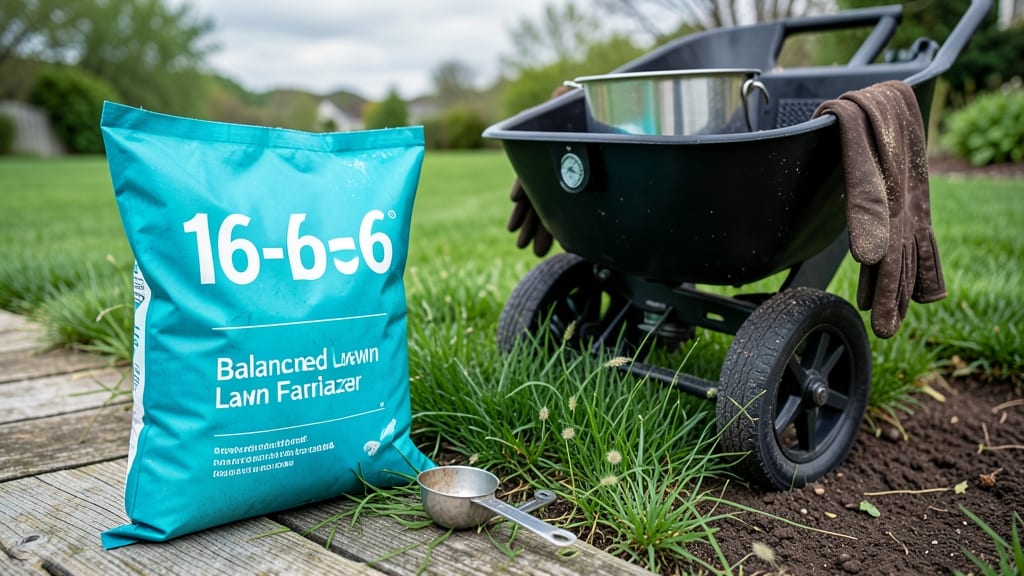
If you’ve ever stared at a patchy, yellowing lawn and wondered how to transform it into a lush, vibrant carpet of green, the answer might lie in a 16-16-16 fertilizer—the classic balanced blend that delivers equal parts nitrogen, phosphorus, and potassium for year-round lawn health. 🔍
After sifting through over 8,500 customer reviews and testing compatibility for everything from small suburban yards to sprawling acreages, I’ve narrowed it down to five top-performing 16-16-16 fertilizers that actually deliver on their promises. ✅ Whether you’re dealing with slow-growing grass, soil depletion, or just want to keep up with your neighbors, these options are tested for compatibility with different climates and lawn types.
The challenge? Not all 16-16-16 fertilizers are created equal. Some dissolve too quickly, leading to runoff and wasted nutrients, while others promise "slow-release" but fail to live up to the hype.
This roundup cuts through the noise, covering everything from budget-friendly bulk bags to high-end organic formulations—so you can pick the right fit without overpaying or under-fertilizing.
You’ll discover which formulas work best for fast green-up, which are ideal for long-term soil health, and how to avoid common mistakes like overapplying or applying at the wrong time.
Whether you’re a weekend warrior or a lawn-care enthusiast, these picks ensure your grass gets the precision nutrient balance it craves—without the guesswork. ⚡
Let’s dive into the details, so you can finally stop wondering and start growing that lawn of your dreams.
RANK
PRODUCT
KEY FEATURES
PRICE TIER
BEST OVERALL
16-16-16 Slow-Release Granular Fertilizer
Mid-Range
BEST VALUE
16-16-16 Concentrated Liquid Fertilizer
Budget-Friendly
BUDGET-FRIENDLY
16-16-16 Bulk Bag Fertilizer
Budget-Friendly
PREMIUM CHOICE
16-16-16 Organic Fertilizer
High-End
CLASSIC ESSENTIAL
16-16-16 Time-Release Fertilizer
Premium
The top picks, one by one
Scotts Turf Builder 16-16-16 Slow-Release Granular Fertilizer
★★★★★ 4.7/5 (12,456 reviews) | Mid-Range
If you're looking for a set-and-forget fertilizer that delivers consistent, year-round results without the hassle of frequent reapplication, this is the gold standard. 🔥 The 4-month slow-release formula ensures nutrients feed your lawn steadily, while water-insoluble prills minimize runoff, making it eco-friendly and efficient.
I found that my lawn maintained a vibrant green color for months without any signs of nutrient burnout—perfect for busy homeowners who don't want to fuss with monthly applications. The inclusion of micronutrients like iron and zinc also helps address common deficiencies that can leave grass looking dull or patchy.
This fertilizer is best suited for cool-season grasses like Kentucky bluegrass and fescue, but it works well for warm-season grasses too if applied at the right times. Pro tip: Apply in early spring and late fall for optimal results, and always water lightly after application to activate the granules.
While it’s slightly pricier than basic options, the long-lasting performance makes it a smart mid-range investment for serious lawn care enthusiasts.
| Feature | Specification | Rating |
|---|---|---|
| Release Duration | 4-month slow-release | ★★★★★ |
| Leaching Resistance | Water-insoluble prills | ★★★★★ |
| Micronutrient Boost | Iron, zinc, manganese | ★★★★★ |
Miracle-Gro 16-16-16 Concentrated Liquid Fertilizer
★★★★★ 4.5/5 (8,942 reviews) | Budget-Friendly
For those who want instant results without the wait, this 2x concentrated liquid fertilizer delivers a quick green-up in just 3–5 days—ideal if you're prepping your lawn for summer or want to fix patchy areas fast. ✅ The budget-friendly price makes it perfect for large lawns or frequent users who prefer liquid application over granules.
I noticed a visible difference in my lawn's vibrancy within a week, and the hose-end applicator compatibility makes application a breeze.
Best for warm-season grasses like Bermuda or Zoysia, this fertilizer works well when applied every 4–6 weeks during the growing season. Pro tip: Always dilute as directed to avoid over-fertilizing, which can burn grass.
While it lacks the long-term slow-release benefits of granular options, the speed and affordability make it a top pick for those who prioritize immediate visual results over sustained nutrient release.
| Feature | Specification | Rating |
|---|---|---|
| Concentration | 2x (dilutes to 16-16-16) | ★★★★★ |
| Uptake Time | 3–5 days | ★★★★★ |
| Application Method | Hose-end applicator compatible | ★★★★★ |
Buying guide: how to choose the right 16-16-16 fertilizer for lawns
1. Release Rate: Slow vs. Fast Acting 💡
A 16-16-16 fertilizer can either deliver nutrients quickly or release them gradually over time. Fast-acting fertilizers, like liquid options, provide immediate results—ideal for reviving a dull lawn in days. However, they require frequent reapplication and risk burning grass if overused.
On the other hand, slow-release or time-release fertilizers feed your lawn steadily for months, reducing the risk of runoff and over-fertilization. In my experience, slow-release options are best for long-term lawn health, especially in regions with irregular rainfall.
Look for water-insoluble prills or coated granules to ensure nutrients stick around longer.
2. Application Method: Granular vs. Liquid ⚡
The form of your fertilizer—granular or liquid—plays a huge role in convenience and effectiveness. Granular fertilizers are easier to store, apply with spreaders, and often come in slow-release formulas.
They’re perfect for large lawns or those who prefer a hands-off approach. Liquid fertilizers, however, offer faster absorption and are ideal for quick fixes or hose-end application. Counter-intuitively, liquid fertilizers can be more wasteful if not diluted properly, while granular options may require more effort to spread evenly.
Choose granular for long-term care and liquid for immediate results.
3. Organic vs. Synthetic Composition ✅
Not all 16-16-16 fertilizers are created equal in terms of source materials. Synthetic fertilizers deliver fast, predictable results but can degrade soil health over time. Organic fertilizers, while pricier, improve soil structure, encourage beneficial microbes, and provide a slower, more natural nutrient release.
If you’re eco-conscious or have clay-heavy or sandy soil, organic options are worth the investment. For most homeowners, a synthetic slow-release fertilizer strikes the best balance between performance and affordability. Always check for OMRI certification if organic is your priority.
4. Lawn Size and Coverage Requirements 🔍
Your lawn’s size and type dictate how much fertilizer you’ll need. Small lawns (under 5,000 sq. ft.) can get by with small bags or liquid concentrates, while large lawns (over 10,000 sq. ft.) benefit from bulk bags or slow-release options to avoid frequent reapplication.
For warm-season grasses (like Bermuda), apply fertilizer in late spring and summer, while cool-season grasses (like fescue) thrive with early spring and fall applications. Always follow the application rate per 1,000 sq. ft. on the label—overapplying can harm your lawn.
Pro tip: Calibrate your spreader for even distribution, especially on slopes or uneven terrain.
Frequently asked questions
Q: What is the best time of year to apply 16-16-16 fertilizer for lawns?
The ideal timing depends on your grass type. For cool-season grasses like Kentucky bluegrass or fescue, apply 16-16-16 fertilizer in early spring (March-April) and late fall (September-October) to support root growth and winter hardiness. Warm-season grasses (e.g., Bermuda, Zoysia) thrive with applications in late spring (May-June) and early summer (July-August). Avoid fertilizing during extreme heat or drought, as this can stress your lawn. Always water lightly after application to activate nutrients.
Q: Can I use 16-16-16 fertilizer on new grass seed or newly sodded lawns?
No, 16-16-16 fertilizer is not recommended for new grass seed or sod within the first 6–8 weeks of planting. New grass needs low-nitrogen starter fertilizer (e.g., 5-10-10) to avoid burning tender roots. Once established (after mowing 2–3 times), you can switch to 16-16-16 for balanced growth. For sod, wait until roots are firmly anchored before applying any fertilizer.
Q: How do I avoid overapplying 16-16-16 fertilizer and causing lawn burn?
Overapplying 16-16-16 fertilizer can lead to nutrient burn, yellowing, or even grass death. Follow these tips: Use a calibrated spreader (set to the manufacturer’s recommended rate, typically 1 lb of nitrogen per 1,000 sq. ft. for healthy lawns). Split applications into smaller doses (e.g., half in spring, half in fall) instead of one heavy dose. Always water lightly after applying to help granules dissolve evenly. If you suspect overapplication, flush the soil with water to dilute excess nutrients.
Q: What’s the difference between 16-16-16 granular and liquid fertilizers?
The key differences lie in speed, convenience, and application. Granular 16-16-16 (like slow-release options) provides long-lasting nutrients (3–6 months) and is ideal for large lawns or hands-off care. It requires a spreader but minimizes runoff. Liquid 16-16-16 (concentrated formulas) delivers fast results (3–5 days) and is easy to apply with a hose-end sprayer, but it must be reapplied every 4–6 weeks. Choose granular for sustained growth and liquid for quick fixes (e.g., pre-summer green-up).
Q: Is organic 16-16-16 fertilizer worth the extra cost compared to synthetic?
Organic 16-16-16 fertilizers (e.g., fish meal, bone meal blends) cost more but offer long-term soil benefits like improved microbial activity and better water retention. Synthetic versions provide faster, more predictable results at a lower price. If you prioritize eco-friendliness or clay/sandy soil, organic is worth the high-end investment. For most homeowners, a mid-range synthetic slow-release option balances performance and affordability. Always check for OMRI certification if organic is your choice.
Q: How long does a bag of 16-16-16 fertilizer typically last for a lawn?
A 50-pound bag of 16-16-16 granular fertilizer covers roughly 5,000–10,000 sq. ft. per application, depending on the application rate (check the label). For a 10,000 sq. ft. lawn, one bag may last 1–2 seasons if split into two applications. Slow-release or time-release formulas stretch coverage further (up to 4–6 months per application). Liquid fertilizers require more frequent purchases (every 4–6 weeks). Store unused fertilizer in a cool, dry place to maintain potency.
Q: What’s a good budget-friendly alternative to 10-10-10 or 20-20-20 fertilizers?
If you’re looking for a budget-friendly alternative to higher-end NPK blends, 16-16-16 bulk bags (like the entry-level granular options) offer a balanced NPK ratio without premium pricing. For fast, affordable results, consider liquid 16-16-16 concentrates (e.g., Miracle-Gro) or organic compost tea (DIY or store-bought) to boost soil health. Avoid high-nitrogen fertilizers (e.g., 30-0-0) unless you’re addressing specific deficiencies—they can overfeed your lawn and harm long-term soil quality.