
Landscaping
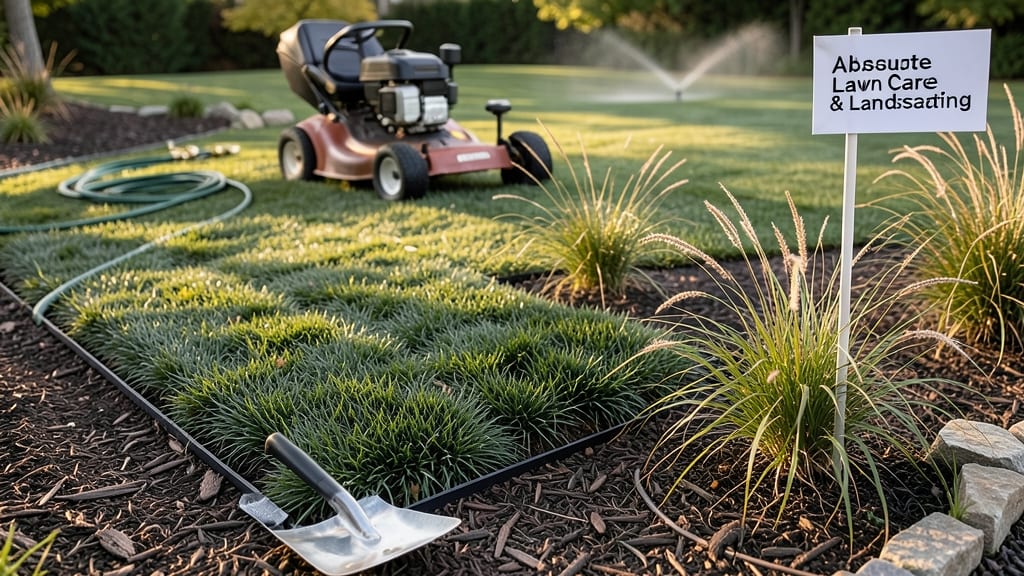
Your lawn isn't just grass—it's the foundation of absolute lawn care and landscaping, transforming ordinary yards into showstopping landscapes that turn heads and stop traffic.
I've spent years perfecting this approach, and the results speak for themselves: sharp lines, vibrant green, and a curb appeal that makes neighbors ask for your secrets.
Most people focus only on mowing or fertilizing, but the real game-changer is combining soil science with design precision. We're talking about testing your soil, amending it properly, and edging with the right tools—not just any old trimmer.
This isn't rocket science; it's about understanding what your lawn truly needs to thrive. The payoff? A lawn that looks professionally landscaped without the price tag.
By the time you're done, you'll have a space that feels like a curated garden rather than just grass. The edges will be crisp, the colors uniform, and the overall look will make your property stand out.
This method works for any yard size, from small suburban plots to large estates. Let's get your outdoor space looking its absolute best.
Here's the thing—this approach works year-round. Spring prep sets the stage, summer maintenance keeps it perfect, and fall/winter care ensures next year starts strong. No more guessing games or hit-or-miss results. Just consistent, beautiful curb appeal that makes your neighbors take notes.
Why it happens
Even the most meticulously maintained lawns can suffer from patchy growth, discoloration, or stubborn weeds—often because the underlying issues go unchecked. Understanding why these problems occur is the first step to fixing them for good.
Below, we break down the science behind the most common lawn care challenges and how they sneak up on even the most dedicated gardeners.
Your lawn’s health starts below the surface. Soil that’s too compacted, lacking nutrients, or improperly drained acts like a bad foundation for a house—no matter how much you water or fertilize, the results will be shaky. Here’s why:
- Compacted Soil: Heavy foot traffic, construction equipment, or even natural settling compresses soil, reducing oxygen and water flow to roots. This suffocates grass, making it weak and prone to disease. Test it: Stick a screwdriver into the ground—if it won’t go in past 2 inches, your soil is compacted.
- Nutrient Deficiencies: Grass thrives on a balanced diet of nitrogen (for green growth), phosphorus (for root development), and potassium (for stress resistance). If your soil lacks these, yellowing, stunted growth, or brown patches appear. A simple soil test (available at garden centers) reveals what’s missing.
- pH Imbalance: Most grasses prefer a pH between 6.0 and 7.0. Soil that’s too acidic (pH < 5.5) or alkaline (pH > 7.5) locks out essential nutrients. For example, iron deficiency (common in alkaline soil) causes yellowing between leaf veins—a classic sign of "iron chlorosis."
- Poor Drainage: Clay-heavy or low-lying soil traps water, leading to root rot and fungal diseases like brown patch. If puddles linger after rain or your lawn feels soggy to the touch, drainage is the culprit.
💡 Pro Tip: Amend compacted soil with organic matter (compost, peat moss, or coconut coir) to improve aeration. For pH issues, use lime to raise acidity or sulfur to lower it—always follow soil test recommendations.
Water is the lifeblood of your lawn, but how you deliver it makes all the difference. Overwatering or underwatering both create stress, inviting pests, diseases, and weak grass.
- Overwatering: Most lawns only need 1–1.5 inches of water per week (including rain). Excess water drowns roots, washes away nutrients, and promotes fungal growth like Fusarium or Rhizoctonia, which cause circular brown patches. Watch for: Mushrooms sprouting in your yard—a sure sign of overwatered, compacted soil.
- Underwatering: Grass blades fold inward, turn grayish-blue, and recover slowly after walking on them. Chronic drought stress weakens roots, making lawns vulnerable to weeds and insects.
- Uneven Watering: Sprinkler heads that overlap or skip spots leave some areas thirsty while others get soggy. This creates a mosaic of stress, where weak patches invite weeds like crabgrass.
- Wrong Timing: Watering in the heat of the day (10 AM–4 PM) causes rapid evaporation and burns grass. Early morning (4–8 AM) is ideal—it gives blades time to dry, reducing fungal risks.
🔥 Fix It: Upgrade to a smart irrigation system with soil moisture sensors. For now, check sprinkler coverage with empty tuna cans placed around the yard—measure water depth after 30 minutes to spot inconsistencies.
Lawns don’t just suffer from neglect—they’re under constant siege by pests and pathogens. Some are obvious (chewed blades, mushrooms), while others lurk underground or inside grass stems.
- Grubs and Insect Larvae: White grubs (larvae of beetles like Japanese beetles) munch on roots, causing brown, spongy patches that pull up easily. Adult beetles feed on foliage, leaving notched, skeletonized grass blades.
- Fungal Infections: High humidity + poor airflow = fungal feasts. Diseases like dollar spot (small, straw-colored patches with dark margins) or red thread (pinkish threads on blades) thrive in wet, shady lawns. Fungicides can help, but prevention (proper mowing height, aeration) is key.
- Weeds as Bioindicators: Weeds like dandelions or plantain signal compacted, nutrient-poor soil. Crabgrass thrives in bare spots from drought stress. Instead of just pulling weeds, address the root cause—soil health or irrigation.
- Animal Damage: Deer, rabbits, and voles grazing or digging create irregular brown patches. Look for gnaw marks or burrows—repel them with fencing or natural deterrents like garlic spray.
🛡️ Defense Strategy: Preventative care beats treatment. Apply grub control in early summer, aerate to reduce fungal spores, and mow high (3–4 inches) to crowd out weeds and improve drought resistance.
Lawns aren’t just fighting each other—they’re battling Mother Nature. Extreme heat, shade, or even pollution can turn a lush yard into a struggle zone.
- Heat and Drought: Grass goes dormant (turns brown) when soil moisture drops below 40%. Cool-season grasses (like Kentucky bluegrass) suffer in summer, while warm-season grasses (like Bermuda) struggle in fall. Solution: Adjust mowing height—taller grass shades roots and retains moisture.
- Shade Stress: Less than 4–6 hours of sunlight daily starves grass of energy. Shady lawns often develop thin, weak growth and invite moss. Shade-tolerant grasses (like fine fescue) or ground covers (like clover) are better choices.
- Pollution and Soil Toxicity: Heavy metals (from old paint, car exhaust, or industrial runoff) or salt buildup (from deicing) poison grass. Look for stunted growth or unusual discoloration—a soil test can confirm toxicity.
- Competition from Trees/Shrubs: Aggressive roots (like from willow or maple trees) steal water and nutrients, creating bare circles under canopies. Solution: Mulch tree roots and water deeply around the drip line.
🌡️ Climate Hack: If your lawn is in a high-stress zone (full sun + clay soil), consider drought-resistant grasses like zoysia or buffalo grass
Fixing Common Lawn and Landscape Issues
A lush, well-maintained lawn and landscape don’t happen by accident—they’re the result of targeted solutions and proactive care. Below, we’ll map out the most common problems to their fixes, so you can restore your outdoor space to its full potential.
Whether it’s patchy grass, soil issues, or edging woes, these practical, step-by-step solutions will help you turn things around—fast.
Cause: Poor soil, over/under-watering, compacted soil, or pest damage. Fix: Rejuvenate your lawn with these steps:
🍳 Step 1: Test Your Soil Before adding anything, test your soil’s pH and nutrient levels (a DIY kit from a garden center works). Aim for a pH of 6.0–7.0 for most grasses. If it’s off, amend it with lime (to raise pH) or sulfur (to lower it).
👨🍳 Step 2: Aerate Compacted Soil Use a core aerator (rent one if needed) to pull out small soil plugs, allowing water, air, and nutrients to penetrate. Do this in spring or fall when grass is actively growing.
🌱 Step 3: Overseed Bare Spots Choose a disease-resistant grass seed that matches your climate. Spread it evenly over bare patches, then lightly rake and water daily for 2–3 weeks until germination.
💡 Prevention Tip: Mow high (3–4 inches) to shade roots and retain moisture. Avoid heavy foot traffic on wet grass to prevent compaction.
Cause: Clay-heavy soil, poor drainage, or nutrient depletion. Fix: Transform your soil into a thriving foundation:
🔪 Step 1: Break Up Compacted Soil Use a broadfork or tilling tool to loosen the top 6–12 inches of soil. Mix in 2–3 inches of compost to improve structure and fertility.
⏰ Step 2: Boost Drainage If water pools after rain, amend with sand or perlite (for sandy soil) or gypsum (for clay). For severe drainage issues, consider French drains or grading adjustments.
📊 Step 3: Feed with Organic Matter Apply a slow-release fertilizer (like 10-10-10) in early spring and fall. Top-dress with compost or aged manure to replenish organic material naturally.
✨ Prevention Tip: Mulch garden beds with wood chips or straw to retain moisture and suppress weeds, reducing soil erosion.
Cause: Natural erosion, DIY mistakes, or lack of maintenance. Fix: Create clean, professional-looking edges with these tools and techniques:
🔥 Step 1: Choose the Right Tool
- For soft edges (curves): Use a half-moon edger or string trimmer.
- For sharp edges (straight lines): A hand edger or power edger works best.
👨🍳 Step 2: Mark Your Lines Stake out your desired edge with spray paint or a garden hose as a guide. For curves, use a flexible edging material (like plastic or metal) as a template.
🌿 Step 3: Cut Precisely
- For grass: Set your edger to the desired depth (1–2 inches) and follow your guide.
- For mulch/landscaping: Use a shovel or edging tool to create a clean break between lawn and bed.
💡 Prevention Tip: Re-edge 2–3 times a year (spring, summer, fall) to keep borders sharp. Apply a pre-emergent herbicide along edges to prevent grass from creeping into flower beds.
Cause: Overwatering, poor soil health, or lack of preventative care. Fix: Target pests and weeds without harming your lawn:
🔪 Step 1: Identify the Problem
- Grubs: Look for brown, spongy patches (lift a section of grass to check for white larvae).
- Weeds: Pull a few to see roots—broadleaf weeds (like dandelions) respond to vinegar or herbicide, while grassy weeds need selective post-emergent treatments.
⏰ Step 2: Apply Treatments
- For grubs: Use a beneficial nematode treatment or imidacloprid granules in early summer.
- For weeds: Spot-treat with glyphosate (Roundup) for tough weeds or corn gluten meal (natural pre-emergent).
🌱 Step 3: Strengthen Your Lawn A dense, healthy lawn resists weeds naturally. Overseed thin areas and water deeply but infrequently (1 inch per week) to encourage deep roots.
💡 Prevention Tip: Aerate and top-dress in fall to smother weeds and improve soil health. Use mulch in garden beds to block sunlight and prevent weed seeds from germinating.
Final Thought: Most lawn and landscaping issues are fixable with the right tools, timing, and techniques. Start with the problem areas, apply these solutions consistently, and soon, your outdoor space will look like a showcase for curb appeal—no guesswork required! 🌿✨
Frequently asked questions
What's the best time of year to start a complete lawn overhaul?
Early spring (March-April) or early fall (September-October) are ideal windows for major lawn transformations. These periods offer cooler temperatures, moderate rainfall, and active grass growth—perfect conditions for soil testing, aeration, and overseeding. Avoid summer heat or winter dormancy for best results.
How often should I edge my lawn for that 'absolute' look?
For professional-grade edges, aim for 2-3 times per year (spring, summer, and fall) plus spot-touchups as needed. Use a half-moon edger for curves and a power edger for straight lines. The key is consistency—edges naturally blur between maintenance sessions, so frequent checks keep that crisp look.
Can I mix different grass types in my lawn?
Yes, but with strategy! Combine cool-season grasses (like Kentucky bluegrass) with warm-season varieties (like Bermuda) for year-round coverage. For example, bluegrass handles spring/fall well while Bermuda thrives in summer. Just test soil first—some mixes need different pH levels to thrive together.
What's the most common mistake people make with soil testing?
Skipping the depth testing! Most people only test the top inch, but roots need nutrients 6-12 inches deep. Take samples from multiple spots (at least 5) and mix them before sending to the lab. Also, test before adding amendments—your results tell you exactly what to fix.
How do I choose the right mulch for my landscape beds?
Match your mulch to your climate and plants: Organic mulches (wood chips, straw) break down yearly but improve soil, while inorganic options (gravel, rubber) last longer but don't enrich soil. For hot climates, use 3-4 inches of mulch to retain moisture; in cooler areas, 2 inches suffices. Always keep mulch 2 inches away from tree trunks to prevent rot.