
Lawn
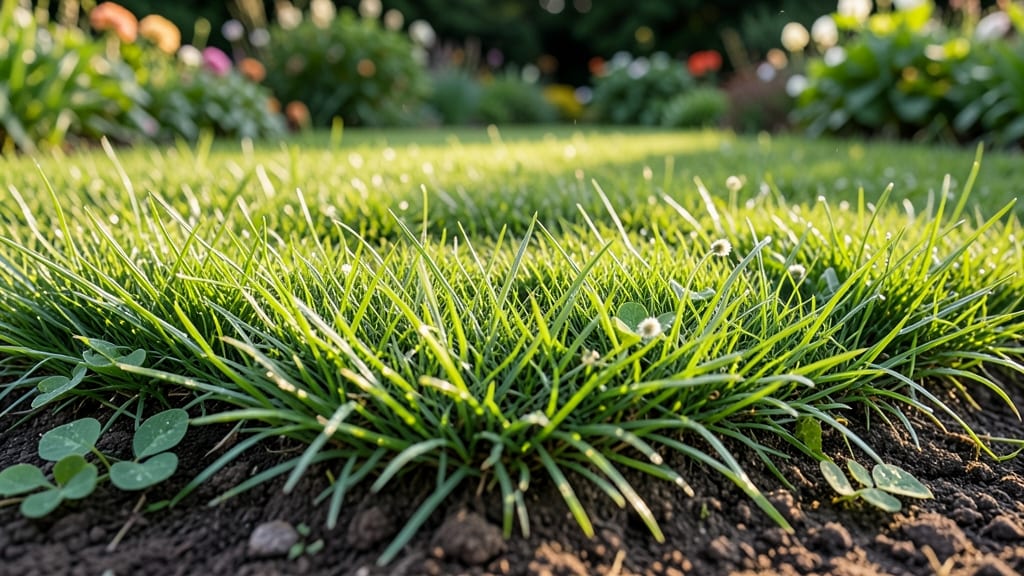
Those bright green grass patches in your lawn aren’t just an eyesore—they’re a sign your soil is screaming for attention. 🌱 Over-fertilization, fungal activity, or nutrient imbalances create these lush but unhealthy spots, and ignoring them means weakened roots, wasted money, and a lawn that stays patchy no matter how much you water.
The good news? You can fix them in under an hour with the right spot-treatment approach.
Most people assume bright green means healthy, but these patches often suffer from too much nitrogen, fungal growth like red thread, or even compacted soil blocking nutrients. I’ve seen lawns go from patchy to uniform in just two weeks by addressing the root cause—literally.
The key is testing soil pH, adjusting fertilization, and treating affected areas with targeted solutions instead of blanket applications.
You’ll end up with a lawn that looks rich and even without the chemical overload. The secret lies in spot-treating with the right mix of fungicides, organic matter, and proper watering techniques. No more guessing—just science-backed results that last through the growing season.
Works for both small problem areas and larger lawns, and I’ll show you how to adapt the method for different grass types. Let’s get that lawn back to its best.
Hidden Causes Behind Uneven Lawn Color
Bright green grass patches popping up in your lawn might seem like a good problem to have—but they’re usually a sign of underlying issues. Whether your turf is overwatered, nutrient-starved, or plagued by pests, these patches disrupt the uniform look you’re working toward.
Let’s break down the most common culprits and why they create those eye-catching contrasts.
Too much water (or water that doesn’t drain properly) creates the perfect storm for uneven grass growth. Here’s why:
- Root suffocation: When soil stays soggy, oxygen can’t reach grass roots, forcing them to grow shallow and weak. In these areas, fast-growing weeds or clover often take over, creating those vibrant green patches while the rest of your lawn struggles.
- Fungal feasts: Excess moisture invites dollar spot, brown patch, or Pythium—fungi that thrive in damp conditions. These pathogens kill grass in some spots while leaving others untouched, resulting in patchy, uneven color.
- Nutrient leaching: Overwatered soil washes away essential nutrients like nitrogen and potassium, leaving patches that can’t sustain healthy growth unless you intervene.
💡 Pro Tip: Test your soil’s drainage by digging a 6-inch hole and filling it with water. If it drains in less than 2 hours, your lawn is likely overwatered. Adjust your irrigation schedule to 1–1.5 inches per week (including rain) and consider aerating compacted soil.
Fungi are opportunistic troublemakers, and bright green patches often signal their presence—even if the grass looks healthy. Here’s how they work:
- Selective grass damage: Fungi like Rhizoctonia or Fusarium attack specific grass blades, leaving others unharmed. The unaffected grass may grow faster due to reduced competition, creating a stark contrast.
- Thatch buildup: A thick thatch layer (dead grass and debris) traps moisture and blocks sunlight, creating a fungal-friendly environment. Patches of grass in these zones may recover first after treatment, making them appear greener.
- Seasonal triggers: Fungal activity peaks in humid, warm weather (75–85°F). If you’ve noticed patches after rain or in shaded areas, fungi are likely the culprit.
🔥 Action Step: Apply a fungicide designed for your grass type (e.g., propiconazole for cool-season grasses) and reduce thatch with a dethatching rake. Water in the early morning to prevent overnight fungal growth.
Uneven fertilization is a top reason for bright green patches. Here’s how it happens:
| Cause | Effect on Grass |
|---|---|
| Over-fertilization in spots: Dropping fertilizer granules unevenly or using too much nitrogen. | Grass in fertilized areas grows faster and darker green while surrounding turf lags. |
| Slow-release vs. quick-release: Quick-release nitrogen (like urea) can create "hot spots" that burn nearby grass. | Patches near fertilizer granules may recover quickly, while others stay yellow. |
| Micronutrient deficiencies: Lack of iron, manganese, or zinc in certain soil areas. | Grass in deficient zones may stay pale while patches with trace minerals turn vibrant green. |
✨ Fix It: Use a broadcast spreader for even coverage and test your soil’s pH (aim for 6.0–7.0). For iron deficiencies, apply chelated iron in early spring. Avoid fertilizing in extreme heat (above 85°F) to prevent burn.
Underground pests like grubs, chinch bugs, or sod webworms can create "false" green patches by killing grass in certain areas. Here’s the science:
- Grub tunnels: These pests chew roots, weakening grass. The affected areas die back first, while surrounding grass (less damaged) may appear greener temporarily.
- Chinch bug feeding: These insects suck sap from grass, causing stunted, yellow patches. However, if they’re only active in specific spots, the untouched grass may grow more vigorously.
- Bird or animal activity: Patches trampled by pets or wildlife may recover faster due to natural fertilization from droppings.
🎯 Solution: Inspect your lawn for pests by lifting a small section of turf. If you see white grubs, apply beneficial nematodes or a grub-specific insecticide. For chinch bugs, treat with bifenthrin and reduce thatch.
Most bright green patches aren’t a sign of a healthy lawn—they’re a warning sign that something’s off. By identifying the root cause, you can target treatments and restore a uniform, vibrant lawn without wasting time or money.
Fix Uneven Grass Colors Fast
Bright green grass patches can transform your lawn from a lush carpet into a patchwork puzzle—but don’t worry! With the right approach, you can restore balance and vibrancy in no time.
Below, we’ve mapped out practical fixes for the most common causes of those eye-catching green spots, along with prevention tips to keep your lawn looking uniform for good.
Cause: Too much water or compacted soil can lead to soggy patches that grow faster (and greener) than the rest of your lawn.
How to Fix It: 🍳 Test Your Soil – Dig a small hole (6 inches deep) and check for water saturation. If it’s damp after 24 hours, drainage is the issue. 👨🍳 Aerate the Lawn – Rent a core aerator to create holes in the soil, allowing water and air to penetrate. Do this in spring or fall for best results. 🥘 Improve Drainage – If your yard has low spots, level them with a mix of topsoil and sand (50/50 ratio). For severe cases, install a French drain or swales (shallow trenches) to redirect water. ⏰ Adjust Watering Habits – Water deeply 2-3 times per week (early morning) instead of daily light sprinkles. Aim for 1–1.5 inches per week.
💡 Pro Tip: If your lawn feels spongy underfoot, gypsum (calcium sulfate) can help break up compacted clay soil over time.
Cause: Too much nitrogen (or spotty fertilizer distribution) can create hotspots where grass grows faster and greener.
How to Fix It: 🔪 Stop Fertilizing Temporarily – If you’ve recently applied fertilizer, hold off for 4–6 weeks to let the lawn recover. 📊 Test Your Soil – Use a DIY soil test kit (available at garden centers) to check nitrogen, phosphorus, and potassium levels. Adjust future fertilizer blends accordingly. 🎯 Use a Slow-Release Fertilizer – Switch to a granular, slow-release formula (like a 24-0-4 or 16-4-8) to avoid sudden nutrient spikes. ✨ Spread Evenly Next Time – Calibrate your spreader and walk in a crisscross pattern to ensure even coverage.
💡 Pro Tip: For organic options, try composted manure or worm castings—they release nutrients slowly and improve soil health.
Cause: Some grass varieties thrive in full sun, while others prefer shade—leading to uneven growth patterns.
How to Fix It: 🌿 Identify the Problem Areas – Walk your lawn at different times of day to spot sun/shade shifts (e.g., trees casting moving shadows). 🔥 Choose the Right Grass Seed – If sunny patches are too bright, overseed with sun-loving grasses like Bermuda or Zoysia. For shady spots, opt for fine fescue or St. Augustine. 🍎 Thin Out Dense Areas – If sun-loving grass is choking out shade-tolerant varieties, scalp the lawn (mow slightly lower) to encourage even growth. 🌡️ Mulch New Seedings – When overseeding, use straw mulch to retain moisture and protect seeds from temperature swings.
💡 Pro Tip: If you can’t change the grass type, dethatch (remove the thatch layer) to help sunlight reach roots in shaded areas.
Cause: Grubs, chinch bugs, or fungal infections can create isolated green (or brown) patches as they feast on roots.
How to Fix It: 🔪 Inspect for Pests – Dig up a small section of the patch. If you see white grubs, wireworms, or tunneling, you’ve got an infestation. 🍳 Apply Granular Insecticide – Use a neem oil-based or imidacloprid treatment (follow label instructions) to kill grubs and bugs. 👨🍳 Fungal Issues? – If the patch feels mushy or smells sour, it’s likely a fungus. Treat with baking soda (1 tbsp/gallon of water) or a copper-based fungicide. 🥘 Encourage Beneficial Insects – Plant clover or marigolds around the lawn to attract ladybugs and ground beetles, which eat pests naturally. ⏰ Water in the Morning – Wet grass in the early AM (not evening) reduces fungal growth by allowing foliage to dry quickly.
💡 Pro Tip: For organic pest control, milky spore powder (for grubs) or beauveria bassiana (for fungal issues) are great non-toxic options.
- Mow High – Set your mower to 3–4 inches to shade soil and retain moisture.
- Rake & Dethatch – Remove thatch buildup (¼ inch or thicker) to prevent uneven growth.
- Overseed Annually – Fill in thin spots with matching grass seed in early fall for best results.
- Monitor & Adjust – Keep a lawn journal to track watering, fertilizing, and weather patterns.
Final Thought: Uneven grass colors are usually a sign of imbalance—whether in water, nutrients, or sunlight. By tackling the root cause (literally!) and adjusting your care routine, you’ll have a smooth, vibrant lawn in no time. 🌿✨
Frequently asked questions
Why do bright green patches look healthier than the rest of my lawn?
Those vibrant spots often appear healthier because they're receiving too much nitrogen or moisture, while the surrounding grass is nutrient-starved. This creates a false impression of health—like weeds thriving in poor soil. The patches may actually have shallow roots and be more susceptible to disease.
Can bright green grass patches be a sign of disease?
While they look lush, these patches often indicate fungal infections like red thread or dollar spot. Fungi thrive in damp conditions, attacking some grass while leaving other areas untouched. The unaffected grass may grow faster, creating that bright contrast. Always check for mushy soil or white fungal threads when diagnosing.
How often should I check my lawn for these patches?
Inspect your lawn every 2-3 weeks during growing season (spring-fall). Look for color changes after rain or fertilization—these are prime times for problems to develop. Early detection lets you treat small areas before they spread. Keep a simple journal noting where patches appear and what conditions triggered them.
Will dethatching help bright green patches caused by thatch buildup?
Yes! Thatch layers thicker than ½ inch block water and nutrients, creating uneven growth. Use a dethatching rake in spring to remove excess thatch, then overseed the area. For severe cases, rent a power dethatcher. Just avoid doing this in summer heat—stress weakens grass recovery.
Are there organic solutions for bright green patches?
Try corn gluten meal (natural pre-emergent) or compost tea to balance soil nutrients. For fungal issues, mix 1 tbsp baking soda with 1 gallon water and spray affected areas. Organic options work best when combined with proper watering (early morning) and 3-4 inch mowing height to reduce stress.