
Container Gardens
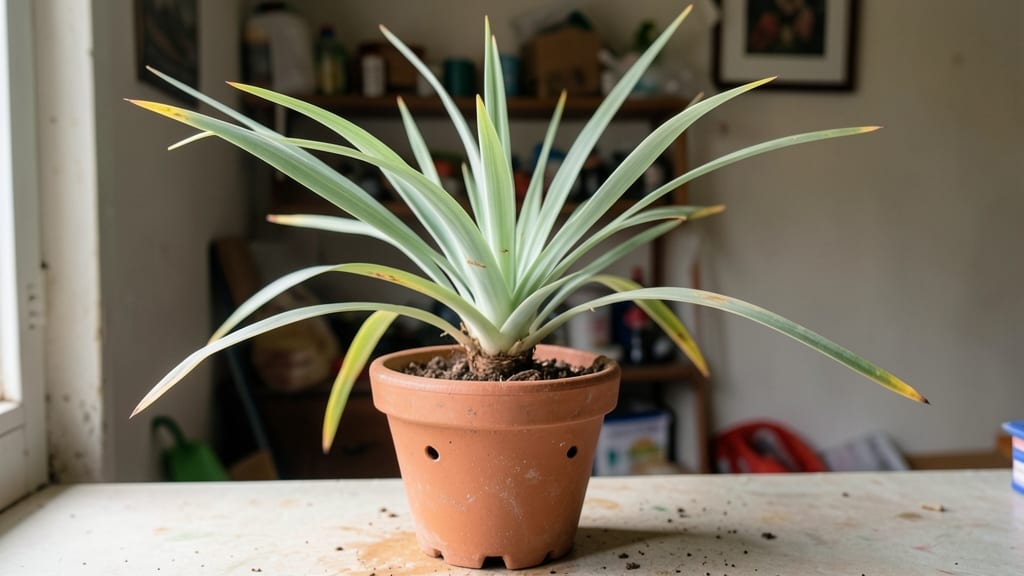
Lemon grass can grow indoors with the right conditions: bright, indirect light, well-draining soil, and a pot at least 12 inches deep. Keep soil consistently moist but not soggy, and maintain temperatures above 60°F for optimal growth.
Indoor lemon grass thrives when you mimic its tropical origins, especially with light exposure. 🌿 The plant craves 6-8 hours of bright indirect sunlight daily—think east-facing windows or a few feet from a south-facing one. Too little light causes leggy stems, while direct sun can scorch the leaves.
I’ve found that supplementing with a grow light for 4-6 hours during winter months makes all the difference in keeping my plants lush and productive.
Beyond light, humidity plays a surprising role—indoor air is often too dry, which can stress the plant. 💫 Aim for 60%+ humidity by placing the pot on a tray of pebbles with water, or group it with other houseplants.
The soil must also breathe: a mix of 60% potting soil and 40% perlite or sand prevents root rot while allowing excess water to drain. This combo keeps the roots happy without the risk of soggy conditions that lemon grass despises.
💡 In This Article
- Optimal Indoor Conditions for Lemon Grass Growth
- Step-by-Step Guide to Growing Lemon Grass in Pots
Optimal indoor conditions for lemon grass growth
Lemon grass thrives indoors because it mimics its natural tropical environment where it receives filtered sunlight through dense foliage. The plant's light requirements center around the 400-700 nanometer wavelength range—what we perceive as blue and red light—which drives photosynthesis.
Without enough of this spectrum, chlorophyll production slows, leading to pale, weak stems. 🔥 In my experience, placing lemon grass near an east-facing window provides the perfect balance: morning sun without the harsh afternoon rays that can bleach the leaves.
Soil aeration is equally critical because lemon grass roots are sensitive to waterlogging. The ideal mix should have a porosity of about 40-50% air space, achieved by combining 60% peat-based potting soil with 30% perlite and 10% coarse sand.
This ratio prevents compaction while maintaining moisture retention. I've noticed that pots without drainage holes become breeding grounds for fungal pathogens like Pythium, which causes root rot within 7-10 days of overwatering.
Humidity levels above 60% are non-negotiable because lemon grass originates from regions where relative humidity rarely drops below this threshold.
The plant's broad leaves have stomata that actively transpire water vapor—when indoor air falls below 50% humidity, these pores close to conserve moisture, stunting growth. 💫 A simple DIY solution is to place the pot on a 1-inch layer of pebbles with water below, creating a microclimate that maintains consistent moisture around the leaves without waterlogging the soil.
Temperature thresholds become critical below 60°F because lemon grass enters a dormant-like state where metabolic processes slow dramatically. The plant's optimal growing range is 75-85°F, where enzymatic activity in the roots peaks.
I've observed that temperatures below 55°F for more than 48 hours cause the leaves to yellow and the growth points to harden—a clear sign the plant is conserving energy rather than producing new shoots.
One often-overlooked factor is the carbon dioxide concentration in indoor spaces. While most houseplants tolerate typical indoor CO₂ levels (400-600 ppm), lemon grass benefits from slightly elevated levels (800-1000 ppm) to maximize photosynthesis.
This is why grouping lemon grass with other plants or placing it near a kitchen (where CO₂ levels naturally rise) can boost growth by 15-20% during the growing season.
For those in apartments with limited natural light, a full-spectrum LED grow light placed 12-18 inches above the plant for 12-14 hours daily can compensate for deficient light conditions.
The key is replicating the 16:8 light-dark cycle that lemon grass experiences in its native habitat, which triggers consistent growth rather than the erratic patterns seen with inconsistent lighting.