
How To
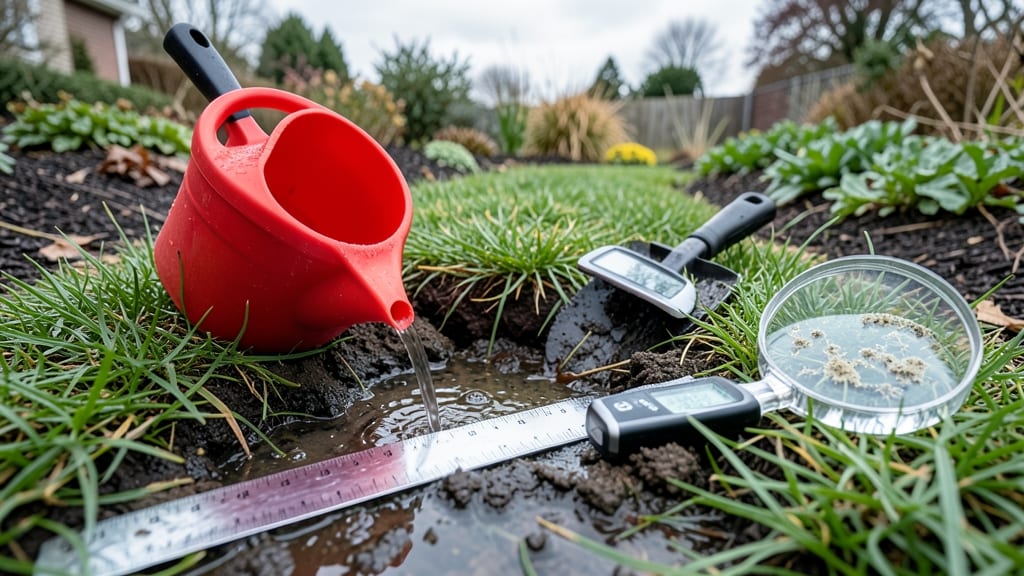
How to tell if your lawn is overwatered—those yellow patches and spongy grass aren’t just unsightly; they’re screaming "I’m drowning." 🌱 Overwatering is the silent killer of healthy turf, and the signs are often right under your feet, from that weird mushy feel to the fungus creeping in like an unwelcome guest. I’ve spent years fixing soggy lawns, and the first step is always spotting these red flags before they turn your yard into a swamp.
The real giveaways? Grass that stays dark green but feels squishy underfoot, or those mysterious yellow rings where water pools and fungus takes hold. Dig down an inch—if the soil smells like wet socks or water pools in depressions, you’ve got overwatering.
And don’t ignore the weeds: creeping charlie and nutsedge thrive in soggy conditions, while your grass struggles to breathe.
Fixing it starts with your watering schedule—most lawns only need 1 inch per week, including rain. Adjust your sprinklers, check for clogged drains, and aerate compacted soil to let roots breathe.
Within 2-3 weeks, you’ll see the yellow fade and the grass stand up straighter, proving your lawn just needed less, not more.
This works for any grass type, from cool-season fescue to warm-season Bermuda. The key is consistency: overwatering hides in plain sight until it’s too late. Now grab that soil probe and let’s turn things around—your lawn’s survival depends on it.
Why It Happens
Overwatering your lawn might seem like a harmless way to keep it lush, but too much of a good thing can lead to a host of problems—from yellow patches to spongy grass. Understanding the root causes helps you avoid these issues and keep your lawn healthy. Here’s why it happens:
Many homeowners water their lawns based on guesswork or routine rather than actual need. Grassroots require oxygen to thrive, and excessive watering displaces this critical gas, suffocating the roots.
When soil stays saturated for prolonged periods, it creates an anaerobic (oxygen-deprived) environment, which triggers ethylene gas production—a natural plant stress signal that weakens roots and promotes disease.
- Automatic timers set to run daily (even lightly) can lead to overwatering, especially in humid climates where soil doesn’t dry quickly.
- Short, frequent waterings (e.g., 5 minutes every morning) encourage shallow root growth, making grass dependent on constant moisture.
- 💡 Pro Tip: Water deeply but infrequently—aim for 1–1.5 inches per week (including rainfall) and let the top 3–4 inches of soil dry between sessions.
Not all lawns are created equal—some soils hold water like a sponge, while others drain like a sieve. Clay-heavy or compacted soils struggle to release excess moisture, trapping water near the surface.
When roots can’t access oxygen, they drown, leading to yellowing, fungal growth (like Fusarium or Rhizoctonia), and that dreaded spongy texture.
- Test your soil: Dig a 6-inch hole—if water pools after 30 minutes, drainage is poor.
- 🔥 Fix It: Aerate annually to break up compaction, or amend soil with organic matter (compost, sand) to improve structure.
Misconfigured sprinklers or broken systems can deliver uneven or excessive water, often without you noticing. Overlapping spray patterns or clogged nozzles might drench one area while leaving another parched—leading to localized overwatering.
- Check for: Puddles, misting instead of deep watering, or "wet spots" that stay soggy longer.
- 🎯 Solution: Adjust sprinkler heads to avoid overlap, and audit your system with a bucket test (place buckets in different zones to measure output).
Humid climates or recent rainfall can trick homeowners into overwatering. Grass doesn’t need extra hydration if the air is already moist—in fact, it can drown in soggy conditions. Even in dry climates, cool, cloudy weather slows evaporation, keeping soil wet longer than expected.
- 💡 Rule of Thumb: Skip watering if >0.5 inches of rain has fallen in the past week.
- 🌡️ Adjust for Heat: In hot, dry weather, water early morning (4–8 AM) to reduce evaporation loss.
Some grasses are more drought-tolerant than others. Cool-season grasses (like Kentucky bluegrass) thrive in moist conditions but suffocate if overwatered, while warm-season grasses (like Bermuda) handle dry spells better. Newly seeded lawns or recovering grass may also need less water than you think—overwatering can wash away seeds or stunt root development.
- 📊 Know Your Grass: Research your turf type’s water needs (e.g., St. Augustine needs 1–1.5 inches/week; Buffalo grass tolerates drought).
- 🔥 Avoid the "Green Trap": Lush green grass doesn’t always mean healthy—dark green with a spongy feel signals overwatering.
Many homeowners keep watering even when grass shows distress, thinking it’ll "bounce back." But prolonged overwatering leads to:
- Fungal diseases (e.g., brown patch, dollar spot).
- Root rot (soft, mushy roots that smell foul).
- Weed invasion (moisture-loving weeds like crabgrass take over).
- 🚨 Watch for: Mushrooms popping up, a sour smell when pulling up grass, or slippery soil when walked on.
Sometimes, human error plays a role:
- Leaky sprinklers or broken timers running overnight.
- Watering after dark, which promotes fungal growth (grass stays wet too long).
- Using a hose on "light" settings for hours, misting instead of soaking.
- 🔧 Fix It: Inspect sprinklers monthly, and never water after sunset.
Overwatering isn’t just about too much water—it’s about poor timing, soil health, and grass needs.
By understanding these causes, you can adjust your routine and give your lawn the right amount of moisture to stay vibrant without the risks. Less is often more when it comes to keeping grass happy and healthy!
Fixing Your Overwatered Lawn
Overwatering can turn your lush lawn into a soggy mess, but the good news is that recovery is possible with the right steps. Below, we’ve mapped out practical solutions tailored to the most common causes of overwatered grass—so you can restore your lawn’s health and prevent future damage.
If your lawn is drowning in excess moisture, the first step is to cut back on watering immediately. Overwatering often happens when homeowners stick to a rigid schedule without accounting for rain or soil conditions.
- 🍳 Stop watering for 3–5 days to let the soil dry out. This helps prevent fungal growth and root rot. - 👨🍳 Switch to deep, infrequent watering: Water deeply (1–1.5 inches per session) 2–3 times per week instead of daily shallow sprinkles.
This encourages deep root growth and reduces runoff. - ⏰ Water early in the morning (before 10 AM) to minimize evaporation and fungal risks. Avoid evening watering, as wet grass overnight promotes disease.
💡 Pro Tip: Use a rain gauge or tuna can to measure water output. If it’s pooling or running off, your lawn is getting too much.
Poor drainage is often the root cause of overwatered lawns. If water sits on the surface or pools in low spots, your grass will struggle to recover.
- 🔪 Aerate compacted soil (rent a core aerator or hire a pro). This creates channels for water and air to penetrate, reducing puddles. - 🥘 Level low spots with a mix of sand and topsoil (about 1 inch thick).
For severe dips, consider installing French drains or swales (shallow trenches) to redirect water. - 🌡️ Test your soil’s drainage by digging a 6-inch hole, filling it with water, and timing how long it takes to drain. If it takes more than 6 hours, your soil is too dense.
✨ Prevention Hack: Spread compost or peat moss over the lawn to improve soil structure naturally.
Yellow patches, mold, or a spongy texture often signal fungal growth from overwatering. Act fast to stop the spread.
- 📊 Apply a fungicide (like propiconazole or trifloxystrobin) if you see pink patches, mushrooms, or a slimy feel. Follow label instructions for safety. - 💪 Mow higher (3–4 inches) to shade the soil and reduce moisture retention.
Taller grass also crowds out weeds and fungi. - 🥗 Avoid fertilizing until the lawn recovers—excess nitrogen fuels fungal growth. Wait until the grass is dormant or actively growing (spring/fall).
🎯 Quick Fix: Sprinkle baking soda (1 cup per gallon of water) lightly over affected areas to raise soil pH and inhibit fungus.
Even after fixing watering habits, your lawn may need extra TLC to bounce back.
- 🌱 Overseed bare spots with drought-resistant grass seed (like tall fescue or Bermuda). Choose seed labeled for your climate zone. - 💪 Feed with a slow-release fertilizer (high in potassium) to strengthen roots.
Avoid quick-release nitrogen until the lawn stabilizes. - 🍎 Mulch with straw or wood chips to protect newly seeded areas from erosion and retain moisture without overwatering.
🔥 Recovery Timeline:
- 1–2 weeks: Stop watering, aerate, and treat fungus.
- 3–4 weeks: Overseed and fertilize lightly.
- 6–8 weeks: Resume normal watering if soil drains well.
- 🌡️ Monitor soil moisture with a moisture meter or the finger test (dig 2 inches deep—if damp, wait to water). - 🎯 Invest in a smart sprinkler system with rain sensors and soil moisture detectors. - 🔄 Check sprinkler heads for misalignment or leaks.
Adjust nozzles to water evenly (no overspray on sidewalks). - 🌿 Choose native or drought-tolerant grasses if your area has heavy clay soil or frequent rain.
By tackling the cause (watering habits, drainage, or fungus) and following these step-by-step fixes, your lawn can recover in 4–8 weeks. Stay patient, and soon you’ll have a springy, green carpet instead of a swampy mess! 🌱💦
Frequently asked questions
What does spongy grass feel like when overwatered?
Spongy grass feels unusually soft and squishy underfoot, almost like walking on a wet sponge. When you press down, it may leave a slight indentation or feel mushy. This happens because excess water weakens root structures and creates anaerobic conditions in the soil.
Can overwatered grass still be green but unhealthy?
Dark green grass that stays wet too long often looks healthy but is actually suffering. The vibrant color comes from excess moisture, while roots suffocate from lack of oxygen. Check for other signs like mushrooms or a sour smell—these confirm overwatering even if the grass appears lush.
How often should I water my lawn to avoid overwatering?
Most lawns need just 1–1.5 inches of water per week, including rainfall. Water deeply 2–3 times per week rather than daily light sprinkles. Early morning (4–8 AM) is best—it reduces evaporation and fungal risks. Always check soil moisture before watering.
What are those yellow rings in my lawn?
Yellow rings often signal fungal growth from overwatering, especially if they appear in damp areas. These rings (often with pink or brown centers) are typically caused by diseases like brown patch or dollar spot. Reduce watering immediately and consider a fungicide if they persist.
Will my lawn recover if I stop overwatering?
Yes, but recovery takes time—typically 4–8 weeks depending on damage. Stop watering for 3–5 days to dry out soil, then switch to deep watering. Aerate compacted areas and overseed bare spots. With proper care, grass can bounce back and develop deeper, healthier roots.