
Mower
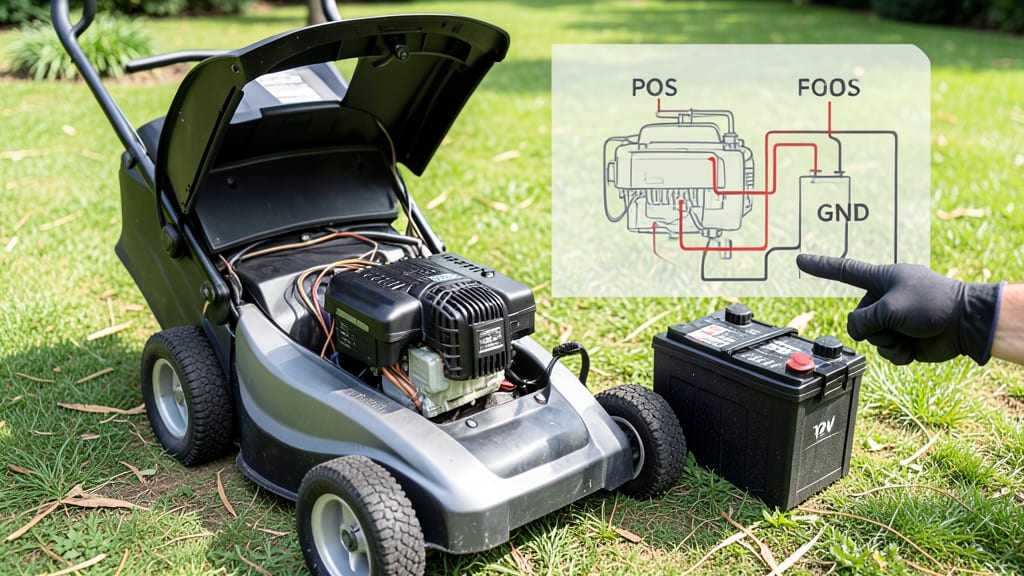
Most modern lawn mowers do have alternators, which charge the battery and power electrical components like headlights, while older models often lack this feature and require manual battery recharging.
Most newer models use alternators to maintain battery charge while operating, ensuring consistent power for features like deck lights or electric starts. 🔥 This system eliminates the need for separate charging between uses, which was common in older push mowers.
The alternator also regulates voltage, protecting sensitive electronics from power surges that could occur with manual charging methods.
For those with older mowers, you'll notice the difference immediately—the battery often drains faster between uses, and electrical components may flicker or fail entirely. I've seen many gardeners upgrade to battery-powered models with alternators simply to avoid the hassle of constantly monitoring and recharging their batteries manually.
💡 In This Article
- How Lawn Mower Alternators Function in Electrical Systems
- Signs Your Lawn Mower Alternator Needs Replacement
How lawn mower alternators function in electrical systems
Modern lawn mower alternators serve as the heart of the electrical system, converting mechanical energy from the engine into electrical energy through a process called electromagnetic induction. When the engine runs, a pulley-driven belt spins the alternator's rotor inside a stator coil.
This motion generates alternating current (AC), which is then converted to direct current (DC) to charge the battery and power accessories. The alternator typically produces 13.5-14.5 volts—enough to keep the battery topped off and maintain consistent voltage for components like headlights or electric starters.
The alternator's voltage regulator is what prevents overcharging, which could damage sensitive electronics. In older models without alternators, the battery would rely solely on manual charging between uses, often requiring separate chargers or jump-starting after each session.
This is why you might notice flickering deck lights or weak starts in older mowers—the battery simply can't maintain charge without constant external power. The alternator's ability to regulate voltage also protects against power surges that could fry delicate components like LED lights or electronic ignition systems.
Consider how this works in practice: When you start your mower, the alternator immediately begins charging the battery as the engine runs. This continuous charging eliminates the need for pre-charging rituals that were common with older models.
The system is designed to handle 10-20 amps of output, depending on the mower's size and electrical demands. For example, a 50cc push mower with basic lights might only need 5 amps, while a 200cc self-propelled model with electric start and multiple lights could require 15 amps or more.
One key difference between modern and older systems is how they handle electrical loads. Newer alternators are designed to provide consistent power even under varying engine speeds, thanks to integrated regulators.
In contrast, older manual systems would often struggle to maintain charge during uneven mowing conditions, like when moving uphill or through thick grass.
This is why you'll find alternators in nearly all mowers with electric starts, deck lights, or battery-powered blades—these features demand reliable, continuous power that only an alternator can provide.
The alternator also plays a crucial role in extending battery life. Without it, the battery would gradually lose charge between uses, leading to sulfation (a buildup of sulfate crystals that reduce capacity).
Modern systems keep the battery at optimal charge levels, typically around 12.6-12.8 volts when idle, ensuring it lasts for years with minimal maintenance. This is a game-changer for homeowners who rely on their mowers weekly during peak growing seasons.
For those with older mowers, the absence of an alternator means the battery becomes a single-use component between charges. This was manageable for basic models, but as mowers added more electrical features, the limitations became obvious.
The alternator's ability to self-regulate and maintain charge while operating makes it indispensable for today's more complex mower designs. 🔥