
Lawn
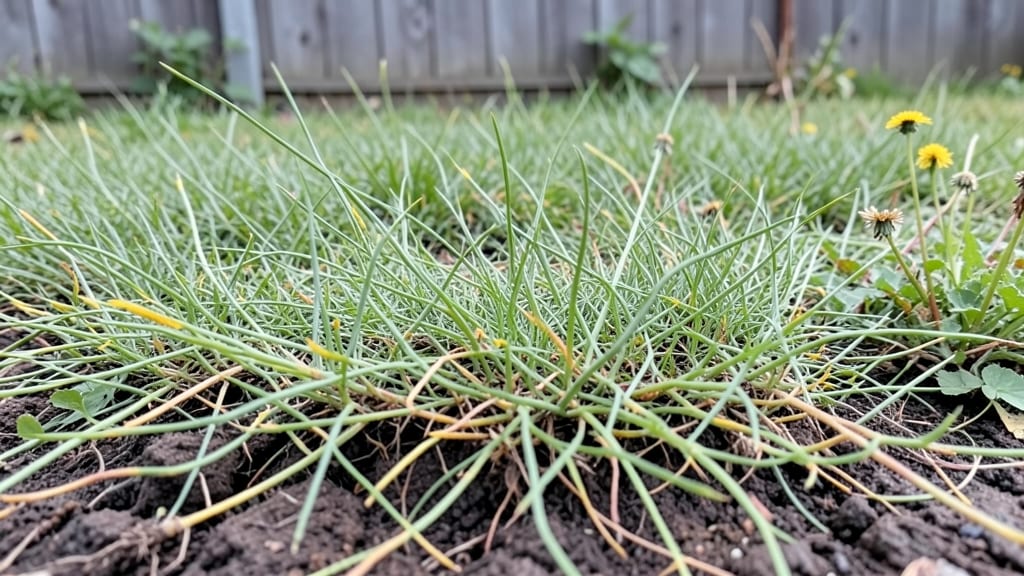
When grass invasive species take over, your lawn becomes a battleground instead of a retreat. 🌱 I’ve watched Bermuda grass swallow my flower beds and crabgrass turn my meticulously mulched garden into a tangled mess—until I learned the right moves to reclaim control.
The problem isn’t just the grass; it’s how fast it spreads, choking out everything else before you even notice.
Most people grab the strongest herbicide first, but that’s like using a sledgehammer when a pruner would work. Instead, start by identifying the culprit—is it Bermuda, crabgrass, or something else?
Then pull the right tools: manual removal for small patches, vinegar-based sprays for organic control, or targeted herbicides for stubborn spots. The key is timing: hit weeds when they’re young, before they’ve had a chance to root deep.
What you’ll end up with is a lawn that stays lush and intentional, not a battleground of unwanted growth.
The first year might take extra elbow grease, but by year two, you’ll see a dramatic shift—fewer weeds, more space for your actual plants, and that satisfying moment when your garden starts looking like your vision again.
The payoff isn’t just aesthetic; it’s the peace of mind that comes from a space working for you, not against you.
This works whether you’re dealing with a small backyard or a sprawling lawn—just adjust the method to the scale. And here’s the thing: once you’ve reclaimed one patch, the rest gets easier.
You’ll start noticing the early signs of invasion before they become a problem, and that’s when you really win. Let’s get started on your comeback plan.
📚 In This Guide
- What you need
- Instructions
- Tips and common mistakes
- Wrapping up and next steps
What you need
- ● Manual Tools: Garden fork or dandelion digger (1-2 units) – for deep-rooted invasives like crabgrass or nutgrass.
- ● Hand weeder or hori-hori knife (1 unit) – for precision removal in tight spaces.
- ● Garden gloves (1 pair) – to protect your hands from thorns, sap, or soil.
- ● Mechanical Tools: String trimmer (weed eater) with nylon or stainless steel string (1 spool) – ideal for cutting back thick grass patches.
- ● Lawn mower (preferably a mulching mower) – set to a 3–4 inch height to weaken invasives.
- ○ Chemical & Organic Controls (Optional but Helpful): Pre-emergent herbicide (e.g., pendimethalin or prodiamine) – apply before invasive seeds germinate (follow label rates).
- ● Post-emergent herbicide (e.g., glyphosate or 2,4-D) – for targeted spot treatment (use cautiously!).
- ● Corn gluten meal (5–10 lbs) – a natural pre-emergent for organic gardens.
- ● Vinegar spray (20% acetic acid) – for small, localized invasions (test on a hidden spot first!).
- ● Weather Check: Plan for a dry, sunny day (avoid rain for 24–48 hours post-treatment).
- ● Lawn Analysis: Identify the invasive species (use a plant ID app or local extension service guide).
- ● Disposal Bags: Heavy-duty trash bags (5–10 units) for removing pulled weeds.
- ● Replacement Grass Seed: Choose disease-resistant, native grass varieties (e.g., tall fescue or buffalo grass) for reseeding.
- ○ Mulch or Compost: To smother remaining weeds and nourish soil (optional but recommended).
How to strategically remove invasive grasses for a healthier lawn
Here’s my battle-tested approach to reclaiming your lawn from aggressive grasses—without resorting to harsh chemicals.
🌱 Step 1: Identify and Map the Problem Areas
Start by walking your lawn and noting where invasive grasses like crabgrass, nutsedge, or Bermuda have taken over. Look for patches where the grass grows thicker, spreads rapidly, or crowds out your desired turf. I like to use a simple sketch or even a photo with marked sections—this helps track progress later.
Dig up small soil samples from affected areas to identify the root system. Invasive grasses often have deep, fibrous roots or underground tubers (like nutsedge). This step ensures you target the right removal method for each type. If unsure, snap a photo and compare it to local weed databases or consult your county extension office.
✂️ Step 2: Manual Removal for Small or New Infestations
For small patches or newly emerging invasive grasses, manual removal is the most effective method. Use a garden fork or a weeding tool to dig out the entire root system—even a tiny fragment left behind will regrow. Work on a dry day when the soil is easier to manage, and remove clumps carefully to avoid spreading seeds.
I focus on early intervention here. If you catch crabgrass when it’s just sprouting, pulling it before it develops deep roots saves hours of work later. For nutsedge, which spreads via tubers, dig out every piece, including the small white bulb-like structures. Discard the removed grass in sealed bags—never compost it.
💧 Step 3: Apply Pre-Emergent Herbicide Strategically (If Needed)
If manual removal isn’t enough, use a pre-emergent herbicide like corn gluten meal or a targeted product like pendimethalin for crabgrass. Apply it in early spring, before invasive grasses germinate, following the label instructions precisely. Avoid overapplying—too much can harm your desired turf.
Water lightly after application to help the herbicide activate, but don’t oversaturate the soil. Check the weather forecast—rain within 24 hours can wash away the treatment, making it ineffective. I always apply on a calm day to prevent drift onto flower beds or sidewalks.
☀️ Step 4: Overseed and Strengthen Your Lawn
Once invasive grasses are under control, overseed bare or thin spots with a high-quality turfgrass seed mix suited to your climate. Choose a blend that includes fine fescue or Kentucky bluegrass for dense, competitive growth. Spread the seed evenly using a broadcast spreader for uniform coverage.
Keep the soil moist but not soggy for the first 2-3 weeks to encourage germination. Mow new growth when it reaches 3-4 inches tall, then gradually lower the mower height to the recommended setting for your grass type. A strong, dense lawn crowds out invasive grasses naturally over time.
⏰ Step 5: Maintain Vigilance with Regular Care
Invasive grasses often return if conditions favor their growth—like poor soil, compacted turf, or irregular watering. Mow regularly at the correct height for your grass type (usually 2.5-3.5 inches) to weaken weeds. Aerate your lawn once a year to relieve compaction and improve water penetration.
I also recommend a fall fertilization with a slow-release, nitrogen-rich formula to boost root growth. This helps your lawn recover faster from stress and outcompete weeds. Monitor for new invasions in early spring and repeat manual or chemical treatments as needed—consistency is key.
Tips & tricks for effective invasive grass removal
These battle-tested strategies will help you reclaim your lawn without the guesswork.
Timing is Everything: In Step 1, when identifying problem areas, focus on early spring or early fall when invasive grasses are most active but your desired turf is still recovering. These periods give you the best window to spot new growth before it spreads. I’ve found that morning inspections work best—dew makes invasive grasses stand out more clearly against your lawn.
Tool Selection Matters: For Step 2’s manual removal, invest in a sturdy weeding tool with a serrated edge—it makes digging out deep roots like nutsedge tubers much easier. I’ve ruined several good gloves trying to pull stubborn roots with my hands. Wear thick gardening gloves and consider using a dandelion digger for those stubborn weeds that resist regular tools.
Pre-Emergent Application Strategy: When applying pre-emergent herbicides in Step 3, focus on areas where you’ve already removed invasive grasses. The 24-hour rain rule is critical—set a phone reminder to check the forecast before applying. I’ve learned this the hard way after wasting expensive herbicide on a rainy weekend. Also, mark treated areas with flags or stakes so you don’t accidentally overseed those spots later.
Post-Removal Care: After Step 4’s overseeding, consider laying down a thin layer of straw mulch to protect new seedlings from drying out. This isn’t mentioned in the instructions, but it’s my secret weapon for keeping those first 2-3 weeks of moisture-sensitive germination periods successful. Just make sure to remove the mulch before mowing for the first time.
Pro Tips for Grass Invasive Species
- These battle-tested strategies will help you reclaim your lawn without the guesswork.
- Timing is Everything: In Step 1, when identifying problem areas, focus on early spring or early fall when invasive grasses are most active but your desired turf is still recovering.
- Tool Selection Matters: For Step 2’s manual removal, invest in a sturdy weeding tool with a serrated edge—it makes digging out deep roots like nutsedge tubers much easier.
Frequently asked questions
about grass invasive species can help you tackle lawn challenges with confidence. Here are some common queries and straightforward answers to keep your yard thriving.What are the most common grass invasive species I should watch for?
Look out for crabgrass, nutgrass, and dandelions—they’re notorious for spreading quickly. Bermuda grass and kikuyu grass can also invade lawns aggressively. Identifying them early is key to preventing a full-blown takeover!
When is the best time to remove invasive grass from my lawn?
Spring and early fall are ideal for removal, as the grass is actively growing but not yet dormant. For pre-emergent herbicides, apply in late winter or early spring before weeds sprout. Post-emergent treatments work best when weeds are young and actively growing.
What’s the most effective method for removing invasive grass without harming my lawn?
Start with manual removal (digging or pulling) for small patches. For larger areas, use selective herbicides labeled for your specific grass type. Always follow label instructions to avoid damaging desirable plants. Vinegar-based sprays can work for non-grass weeds but may harm grass.
Why does invasive grass keep coming back even after treatment?
Persistent regrowth often means roots or seeds remain in the soil. Ensure you treat the entire area, including edges and hidden spots. Improve soil health with proper fertilization and aeration to help your lawn outcompete invaders. Repeat treatments may be needed for stubborn species.
Are there natural alternatives to chemical herbicides for invasive grass?
Yes! Try corn gluten meal (a natural pre-emergent), boiling water for spot treatment, or mulching thick layers of cardboard/newspaper to smother weeds. Hand-pulling works well for small patches, especially after rain when soil is soft.
Wrapping up and next steps
Dealing with grass invasive species can feel overwhelming, but with the right strategies, you can reclaim your lawn and restore its health! 🌱 By identifying the culprits, choosing the best removal methods, and preventing regrowth, you’ll create a thriving outdoor space that’s both beautiful and sustainable.
Ready to take action? Start by inspecting your lawn this weekend—you’ve got this! For extra support, consider reaching out to local gardening groups or professionals who specialize in invasive species management. Every step you take brings you closer to a lush, low-maintenance lawn you’ll love.