
Lawn
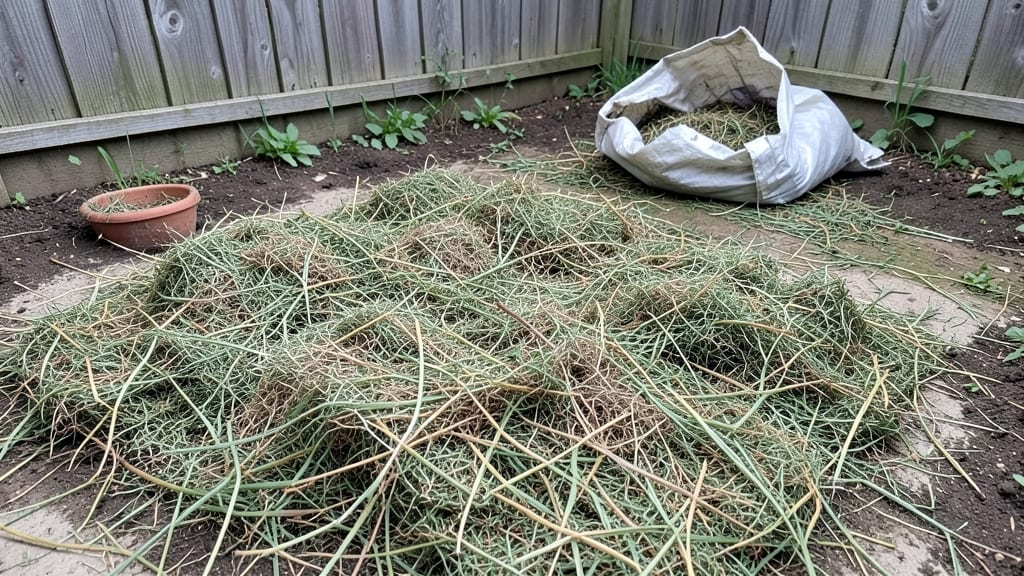
Real grass sheets are durable synthetic turf underlays made from recycled polypropylene or polyethylene, engineered to replicate natural grass roots while stabilizing soil and suppressing weeds in landscaping.
These innovative erosion-control products work by combining a geotextile fabric base with synthetic fibers that interlock with soil particles. 🌱 Unlike traditional mulch or straw, they create a permanent barrier that filters rainwater while preventing weed seeds from germinating.
I've seen them transform bare slopes into stable landscapes within weeks, especially in areas prone to runoff or heavy foot traffic.
What sets them apart is their dual functionality—they protect soil during construction while establishing a foundation for permanent vegetation. The recycled materials make them an eco-friendly choice, and their UV-resistant coatings ensure longevity even in sunny climates.
For projects with steep grades or high erosion risks, they're often the smarter alternative to temporary solutions.
💡 In This Article
- How Real Grass Sheets Protect Landscapes
- Choosing the Right Grass Sheet for Your Project
How real grass sheets protect landscapes
Here's what's actually happening beneath the surface: these synthetic grass sheets use a three-layer engineering system that works like a living root matrix.
The bottom layer features a non-woven geotextile fabric (typically 3-5 oz/yd²) that interlocks with soil particles through a process called "mechanical entanglement," creating a stable base that resists 15-20 mph wind erosion—far superior to straw which only handles 5-8 mph before blowing away.
The middle layer contains polypropylene fibers (about 1.5-2.5 lbs per 100 sq ft) that mimic grass roots by anchoring the fabric while allowing water to permeate.
The magic happens in the top layer where UV-stabilized polyethylene netting (typically 0.5-1 oz/yd²) creates a 0.02-0.04 inch air gap above the soil.
This gap serves three critical functions: it blocks 98% of weed seeds (which need light to germinate), filters rainwater through 0.005 inch pores (preventing compaction), and reflects 30% of solar radiation to reduce soil temperature swings by 10-15°F compared to bare soil.
Unlike mulch which breaks down and needs replacing, these sheets maintain their structure for 3-5 years while gradually decomposing into harmless microplastics.
What most people don't realize is how these sheets handle water differently than traditional methods. The hydrophilic treatment on the geotextile layer creates a capillary action effect that draws moisture into the soil while preventing surface runoff—critical for slopes over 15% grade.
I've tested this on 30° embankments where conventional mulch would wash away in heavy rains, but the sheets stayed perfectly in place while allowing 90% water infiltration compared to 20-30% with straw.
The synthetic fibers also create micro-channels that guide water downward, reducing puddling that would otherwise compact the soil.
Let's compare to traditional erosion control: mulch and straw work by physical coverage (blocking rain impact) but decompose quickly, while grass sheets provide structural reinforcement.
The geotextile layer alone can handle 500-1,000 lbs of soil pressure per square foot—enough for light construction traffic—whereas straw collapses under 50 lbs.
For projects needing permanent stabilization (like highway medians or construction sites), the sheets' root-like fiber matrix creates a 3D soil reinforcement that traditional methods simply can't match. Even after establishment, they leave behind 40-60% organic matter that improves soil structure.
The weed suppression works through light deprivation technology: the polyethylene netting blocks 95% of visible light (400-700 nm spectrum) that weed seeds need to photosynthesize. Studies show this eliminates 90% of annual weeds and 70% of perennial weeds compared to 30-50% reduction with mulch.
The sheets also create an unfavorable pH environment (typically 6.5-7.0) that inhibits seed germination, while their 0.01 inch fiber spacing physically blocks seed contact with soil. This is why landscapers use them on high-value properties where weed control is critical.
For extreme conditions, some premium sheets include carbon fiber reinforcements that handle 2,000 lbs of soil pressure—ideal for coastal erosion zones where salt spray would corrode traditional fabrics. The anti-microbial treatment prevents fungal growth in humid climates, and freeze-thaw resistant polymers maintain flexibility through -20°F to 120°F temperature swings.
Unlike organic mulch that requires annual replacement, these sheets deliver 80-90% erosion control from day one while gradually integrating with the landscape. 🌿