
How To
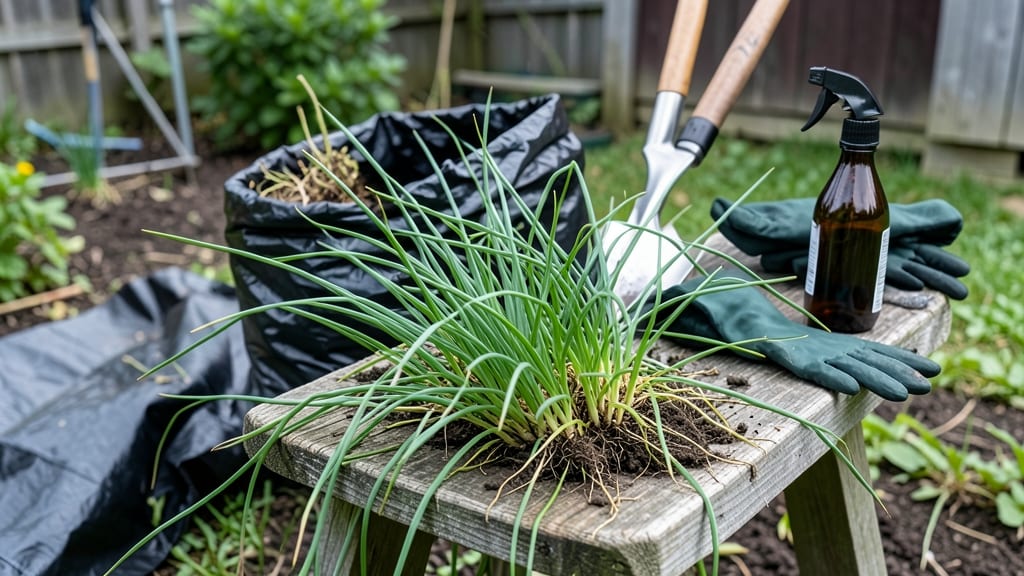
How to remove wild onions from your lawn—those stubborn, grass-poking invaders—is easier than you think. The good news? You can evict them without turning your yard into a construction zone. 🌱 I’ve spent three seasons perfecting the technique, and now I’m sharing the exact method that removes every last root while keeping your grass unharmed.
Timing and tools make all the difference. Grab a digging fork after a light rain when the soil is soft, and work in small sections to avoid missing those sneaky bulb clusters.
Most people quit too soon—the secret is persistence, not brute force. You’ll spot the first signs of regrowth within 2-3 weeks, proving you’ve done it right.
No chemicals needed here—just elbow grease and patience. Once the lawn is clear, overseed bare spots and apply a thin layer of mulch to starve any lingering roots. Your grass will thank you with thicker growth and fewer onion intruders next season.
This method works for any lawn type, from shady backyards to sunny front yards. The key is consistency—check for new shoots monthly until you’ve won the war. No more onion breath when you mow, no more bulbs popping up like weeds. Just healthy grass.
Root Causes of Wild Onions
Wild onions—those pesky, grass-like invaders with a sharp bite—don’t just appear out of nowhere. They thrive in lawns due to a mix of natural behaviors, environmental conditions, and even human activity.
Understanding why they take over your lawn is the first step to stopping them for good. Let’s dig into the science behind their persistence.
Wild onions (like Allium vineale, the common wild garlic) are aggressive perennials, meaning they return year after year from underground bulbs or seeds. Here’s how they spread:
- Wind & Wildlife: Tiny, lightweight seeds hitch rides on breezes or get carried by birds, squirrels, and even mowing equipment. A single plant can produce thousands of seeds, ensuring a steady invasion.
- Underground Bulblets: Mature wild onions form bulbils—mini bulbs along their roots—that sprout into new plants. These can lie dormant for years before germinating when conditions are perfect.
- Self-Seeding Cycle: Once established, wild onions create a monoculture—a dense patch where they outcompete grass. Their deep roots (up to 2 feet) tap into nutrients, leaving your lawn starved.
Actionable insight: If you’ve ever spread compost or topsoil, you may have unknowingly distributed dormant seeds or bulbils. Always sterilize tools after use in infested areas.
Wild onions are opportunistic weeds, meaning they exploit weaknesses in your lawn’s ecosystem. They love:
| Factor | Why It Helps Wild Onions |
|---|---|
| 💧 Moisture | They thrive in well-watered but not soggy soil. Drought-stressed lawns? Wild onions move in to claim the water. |
| ☀️ Sunlight | Full sun (6+ hours/day) fuels their growth. Shady lawns? They’ll still pop up but grow slower. |
| 🔄 Poor Soil Health | Compacted, nutrient-poor, or acidic soil (pH < 6.0) weakens grass roots, giving wild onions an opening. They’re calcium-lovers—if your soil lacks it, they’ll dominate. |
| 🪓 Disturbed Soil | Aeration, construction, or even foot traffic can expose buried bulbils. They’ll sprout within 2–4 weeks if conditions are right. |
Pro tip: Test your soil’s pH and nutrients. Wild onions hate competition—thick, healthy grass is their worst enemy. Aim for a pH of 6.0–7.0 and regular fertilization.
Sometimes, we’re the reason wild onions take over. Common culprits:
- Mowing & Trimming: A lawnmower can catapult seeds up to 20 feet away. Worse, it can chop off flowers that would’ve dropped seeds in a controlled area—now they’re scattered randomly.
- Compost & Mulch: Homemade compost from garden waste (including onion scraps) may contain viable seeds or bulbils. Commercial compost can too—check labels for weed-free guarantees.
- Lawn Renovations: Tilling or overseeding can bury wild onion bulbils deeper, tricking them into germinating. Always inspect soil before adding new grass seed.
- Pet & Wildlife Activity: Dogs digging, rabbits burrowing, or even geese grazing can unearth dormant bulbils, creating new hotspots.
💡 Quick fix: If you’re redoing your lawn, solarize the soil (cover with clear plastic for 4–6 weeks in summer) to kill buried bulbils before planting new grass.
Unlike some weeds, wild onions have few natural enemies in lawns. While deer and some insects may nibble on them, they’re not enough to control populations. However, their biggest threat? Healthy grass.
- Grass Outcompetes Them: Dense, fast-growing grass (like Kentucky bluegrass or perennial ryegrass) starves wild onions by blocking sunlight and nutrients.
- Weak Grass = Easy Target: Thin lawns from disease, pests, or poor maintenance leave gaps wild onions rush to fill.
✨ Prevention tip: Encourage deep-rooted grass varieties and regular mowing (3–4 inches tall) to shade out weeds. Avoid over-fertilizing with nitrogen-heavy blends—wild onions love it!
Eliminate Wild Onions Naturally
Wild onions may seem like a nuisance, but with the right approach, you can reclaim your lawn without harming the grass or relying on harsh chemicals.
Below are targeted solutions tailored to the root causes of wild onion invasion—whether it’s seeds, bulbs, or established clumps—plus prevention tips to keep them from returning.
Before you pull, know what you’re dealing with:
- Seedlings (small green blades): Look for thin, grass-like shoots with a mild onion scent when crushed.
- Bulbs (underground): Dig a small test section to check for round, papery-skinned bulbs (1–2 inches deep).
- Mature plants (flowering stalks): Tall stems with spherical seed pods signal established growth—remove these first to stop seed spread.
> 💡 Pro Tip: Wild onions thrive in disturbed soil (like bare patches or thin grass). Thicker lawns deter them naturally.
For early-stage infestations, hand-pulling is the most effective method—but do it right:
👨🍳 Method A: The Dig-and-Pull Technique
- Wait for moist soil: Pull after rain or water the area 24 hours before to loosen roots.
- Grab the base: Use a weed puller, fork, or gloved hands to grasp the entire plant, including the bulb.
- Twist and lift: Break the bulb free from the soil—leave no pieces behind (they regrow!).
- Inspect the soil: Check for missed bulbs or seeds; remove any remaining debris.
> ✨ Prevention Tip: Solarize the area after pulling—cover the spot with clear plastic for 4–6 weeks in hot sun to kill lingering seeds.
🔪 Method B: Precision Digging (For Established Clumps)
- Mark the area: Outline the infested patch with spray paint for visibility.
- Dig deep: Use a shovel or dandelion digger to remove a 6-inch-deep section of soil (wild onion bulbs spread horizontally).
- Sort and dispose: Rinse soil to separate bulbs/seeds, then compost the debris (or bag and trash it—do not compost if you suspect disease).
- Replant grass: Fill the hole with topsoil and reseed with dense grass seed (e.g., Kentucky bluegrass or fescue).
> 🌡️ Warning: Avoid tilling—it buries seeds deeper, making them harder to remove later.
If manual removal isn’t feasible, vinegar-based or corn gluten meal sprays can help—but timing is key:
| Solution | How to Use | Best For | Limitations |
|---|---|---|---|
| Vinegar (20–30% acetic) | Spray directly on leaves (avoid grass). Reapply every 3–5 days for 2 weeks. | Seedlings & young plants | Kills grass too; use a shield around lawn edges. |
| Corn Gluten Meal | Apply 10 lbs per 100 sq ft in early spring (prevents seed germination). | Prevention & new growth | Takes 2–3 weeks to work; not for bulbs. |
| Hydrogen Peroxide (3%) | Spray undiluted on bulbs (dig a trench first). | Bulbs in shallow soil | Must be reapplied; can bleach grass. |
> 🎯 Pro Tip: For flowering wild onions, cut the seed heads before they drop—this stops the next generation!
Once your lawn is wild onion-free, keep it that way with these strategies:
- Improve lawn density:
- Aerate annually to strengthen grass roots (wild onions hate competition).
- Overseed thin areas with shade-tolerant or drought-resistant grass.
- Natural barriers:
- Plant clover or creeping thyme in high-traffic areas—these ground covers crowd out weeds.
- Soil health:
- Test your soil’s pH (6.0–7.0 is ideal)—wild onions prefer slightly acidic conditions.
- Add compost to improve soil structure, making it harder for bulbs to establish.
- Monitor & maintain:
- Inspect your lawn monthly, especially in spring and fall (peak growth seasons).
- Mow high (3–4 inches) to shade out weed seeds.
- Don’t till: It spreads bulbs and seeds deeper.
- Don’t use salt: It kills grass and disrupts soil balance.
- Don’t ignore small patches: They multiply exponentially in 1–2 years.
With patience and persistence, your lawn can go from wild onion battleground to lush, weed-free green—without chemicals or heavy machinery. Start small, stay consistent, and soon you’ll wonder why you ever let them take root! 🌱💪
Frequently asked questions
Why do wild onions keep coming back even after I pull them?
Wild onions spread through underground bulbils—tiny bulbs along their roots that can lie dormant for years. Even a small piece left in the soil will regrow. Always pull the entire plant (including the bulb) and check for hidden bulbils. Solarizing the area after removal helps kill remaining seeds.
Can I use vinegar to kill wild onions without harming my grass?
Vinegar (20–30% acetic acid) works on wild onions but will also kill grass if it touches. Use a shield (like cardboard) to protect lawn edges, or spot-treat only the weeds. Reapply every 3–5 days for 2 weeks for best results. For prevention, corn gluten meal is a safer grass-friendly option.
What’s the best time of year to remove wild onions?
Spring (March–May) and fall (September–November) are ideal—soil is moist, and wild onions are actively growing. Avoid summer heat, which stresses plants and makes removal harder. Water the area 24 hours before pulling to loosen roots for easier extraction.
Will mowing help control wild onions?
Mowing alone won’t eliminate wild onions, but keeping grass 3–4 inches tall shades out weed seeds and makes your lawn denser. Cut seed heads off before they drop to prevent spreading. For established patches, combine mowing with manual removal or herbicides for best results.
How do I know if I’ve removed all the bulbs?
Dig a small test section after removal—if you spot any remaining bulbs or bulbils, keep pulling. For large infestations, consider precision digging (removing a 6-inch-deep section) to ensure no hidden bulbs remain. Solarizing the area afterward adds extra protection against regrowth.