
Lawn
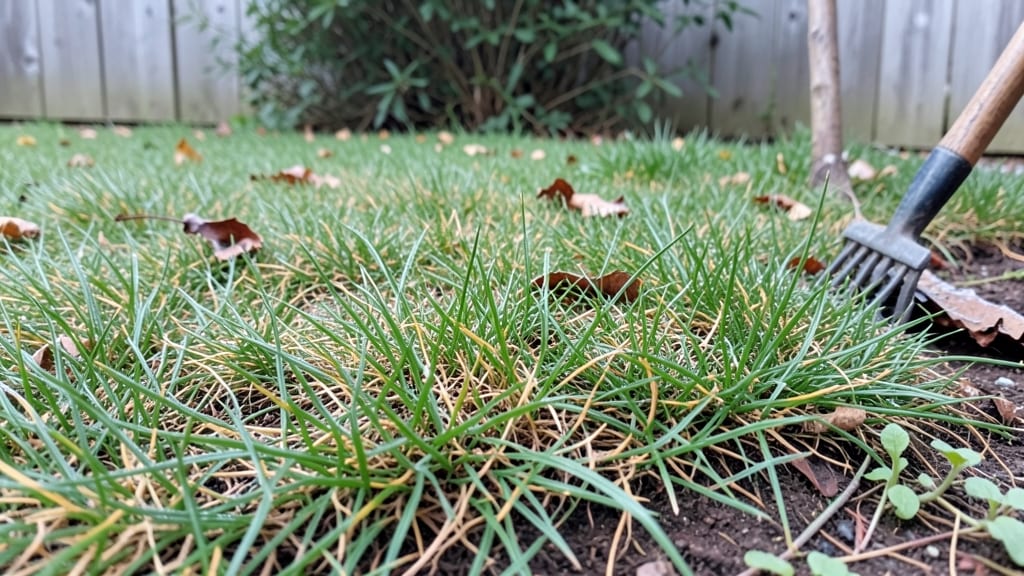
Leaving leaves on your lawn isn’t always bad—thin layers decompose naturally, enriching soil with nutrients and supporting beneficial microbes, but thick piles smother grass, block sunlight, and create pests. Mulch leaves instead of raking for best results.
Whether leaving leaves on your lawn is beneficial depends entirely on how much you have and how you manage them.
A light covering—about ¼ to ½ inch—actually acts like a natural fertilizer, breaking down into organic matter that improves soil structure and moisture retention. 🌿 This process also encourages earthworms and other helpful soil organisms, which aerate the ground naturally.
However, when leaves pile up too thickly, they can suffocate grass blades, trap moisture (creating perfect conditions for fungal diseases), and even attract pests like slugs and rodents seeking shelter.
For homeowners, the key is balance: shredding leaves before they fall or using a mulching mower transforms them into fine particles that decompose quickly without smothering your lawn. I’ve found that this approach not only saves time but also turns a seasonal chore into a soil-boosting strategy.
Just avoid leaving whole leaves intact—they’ll mat down and block sunlight from reaching the grass below.
💡 In This Article
- How Lawn Leaves Affect Soil and Grass Health
- Best Practices for Mulching Leaves on Lawns
How lawn leaves affect soil and grass health
Here's what's actually happening when leaves decompose on your lawn: they undergo a natural process called litter decomposition, where microorganisms—like bacteria and fungi—break down organic matter into simpler compounds.
A ¼-inch layer of shredded leaves can add 2-3 pounds of carbon per 100 square feet annually, which improves soil structure by increasing its organic matter content from 1% to as high as 5% over time.
This boosts water retention by 20-30% compared to bare soil, helping grass survive drought better.
The science gets interesting when leaves pile up too thickly. Whole leaves create a mat effect, blocking 80-90% of sunlight from reaching grass below, while trapping moisture that leads to anaerobic conditions—where oxygen levels drop below 5%.
This triggers fungal growth like snow mold or dollar spot, which thrive in damp, shaded environments. In fall, this is less critical since grass is dormant, but spring brings new growth that needs sunlight to thrive.
Seasonal timing matters too. Fallen leaves in autumn decompose slower (temperatures drop below 50°F), but their nutrients get locked in soil until spring. However, if left unshredded, they'll create a thatch layer—a dense mat that blocks air and water from reaching roots.
The key difference is texture: shredded leaves decompose in 4-6 weeks, while whole leaves can take 6-12 months to break down.
What most people don't realize is how leaves influence soil microbes. A healthy lawn has 10,000-100,000 microbes per gram of soil, and leaf litter feeds these organisms, producing enzymes that break down complex compounds into plant-available nutrients like nitrogen and phosphorus.
But when leaves exceed ½ inch in depth, microbial activity shifts toward decomposers that produce methane (a greenhouse gas) instead of beneficial compounds.
Consider this comparison: a ½-inch layer of shredded leaves adds nutrients similar to 1 pound of compost per 100 sq ft, while a 2-inch layer of whole leaves acts like a suffocating blanket.
The texture difference is critical—shredded leaves decompose like mulch, while whole leaves behave like a waterproof tarp.
For homeowners, the golden rule is to mimic nature: thin layers (¼ inch) mimic forest floors where leaves slowly decompose, while thick piles create unnatural conditions. This balance is why mulching mowers exist—they shred leaves into ¼-inch pieces, accelerating decomposition while preventing smothering.