
Lawn
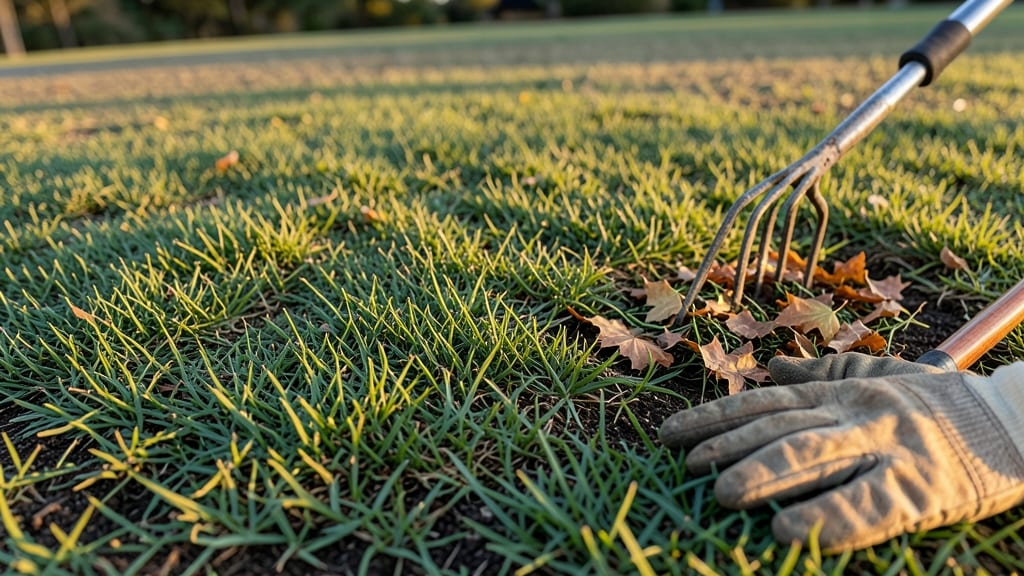
Leaving leaves on lawn provides natural mulch that enriches soil, protects grass roots from cold, and preserves moisture—while also supporting beneficial insects and microbial activity. This simple practice reduces waste and saves time on yard maintenance.
When you leave leaves on your lawn, they break down into organic matter that feeds the soil over time—think of it as free compost. 🌿 The layer also acts like a blanket, shielding grass roots from harsh winter winds and temperature swings, which helps turf stay healthier through cold months.
Plus, this method supports local ecosystems by providing habitat for pollinators and soil microbes that break down the leaves into nutrients.
This approach works best when leaves are spread evenly—aim for a 1-2 inch layer—and avoid thick piles that can smother grass. Mowing over leaves occasionally helps distribute them while promoting faster decomposition.
The key is balance: too few leaves won't provide benefits, but too many can create mats that block sunlight from reaching the grass.
💡 In This Article
- How Lawn Leaves Improve Soil Fertility and Grass Resilience
- Best Practices for Mulching Leaves on Grass Without Harming Turf
How lawn leaves improve soil fertility and grass resilience
When leaves decompose on lawns, they undergo a natural process called litter decomposition, where microorganisms break down complex organic compounds into simpler nutrients. This releases nitrogen (a key plant nutrient) and enriches the soil with carbon, improving its structure and water retention.
A 1-inch layer of leaves can add up to 20 pounds of organic matter per 1,000 square feet annually, comparable to a light compost application. 🌱 The carbon content helps create a spongy soil texture, allowing roots to access moisture and air more easily.
The insulating effect of leaves is like a thermal blanket for grass roots. During winter, a 2-inch layer can reduce soil temperature fluctuations by 10-15°F, protecting delicate root systems from freeze-thaw cycles that cause damage.
This insulation also preserves moisture—studies show lawns with leaf mulch retain 30% more water in cold months compared to bare soil. The leaves' waxy surface further slows evaporation, which is especially valuable in drought-prone regions or during dry spells.
Beyond physical protection, leaves create microhabitats for beneficial insects and microbes. Earthworms, beetles, and fungi thrive in this environment, accelerating decomposition while adding biodiversity.
A single square yard of leaf litter can support thousands of microbial colonies, which in turn break down leaves into humus—a nutrient-rich, dark organic material that improves soil fertility. This ecosystem service is free compared to synthetic fertilizers, making leaf mulching a cost-effective lawn care strategy.
However, not all leaves decompose at the same rate. Oak leaves, for example, contain more tannins (which slow breakdown), while maple leaves decompose faster due to higher nitrogen content. The decomposition process typically takes 3-6 months for a 1-inch layer, but can extend to a year in colder climates.
This gradual release of nutrients matches the slow growth cycle of grass, providing a steady food source for roots throughout the growing season.
One often-overlooked benefit is weed suppression. The dense leaf layer blocks sunlight from reaching weed seeds, reducing germination by up to 70% in some cases. This natural weed control eliminates the need for herbicides while maintaining a healthy lawn.
The combination of nutrient enrichment, moisture retention, and weed suppression makes leaf mulching one of the most effective low-maintenance lawn care practices available.
For homeowners concerned about aesthetics, finely shredded leaves blend into the lawn more naturally than whole leaves. A mower with a mulching blade can chop leaves into 1/4-inch pieces, creating a uniform layer that's barely noticeable while still delivering all the benefits.
This approach turns yard waste into a resource rather than a chore, demonstrating how nature's cycles can work in harmony with lawn maintenance.