
Lawn
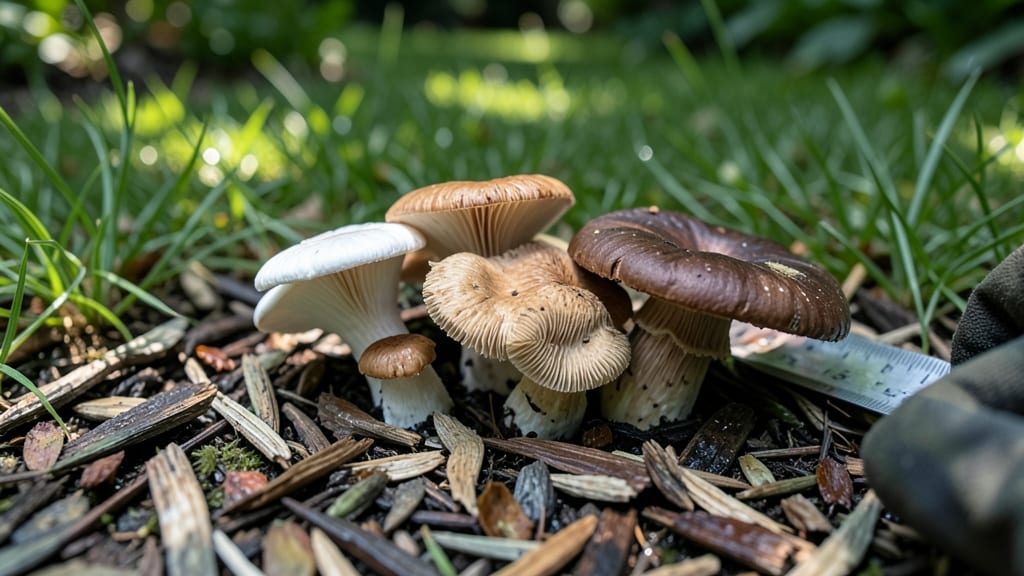
Those mysterious lawn mushrooms popping up overnight aren't just weird—they're your yard's way of cleaning up dead roots and thatch. 🌱 I've battled everything from fairy rings to slime molds, and I'll show you how to identify them fast so you know whether they're harmless or need removing.
The real culprits? Overwatering, compacted soil, and too much organic debris left to rot. My first fairy ring spread like wildfire after I stopped aerating—until I fixed the drainage and adjusted my watering schedule.
You'll learn which mushrooms to leave alone (like the harmless puffballs) and how to safely remove the problematic ones using simple tools or natural solutions. No chemicals, no fuss—just a healthier lawn. This works for any grass type, from cool-season Kentucky bluegrass to warm-season Bermuda.
Let's get your lawn looking clean again!
Hidden Triggers Behind Fungal Growth
Those sudden mushroom clusters popping up in your yard aren’t just random—they’re nature’s way of cleaning up after a few key conditions come together. Understanding these triggers helps you either prevent them or harness their natural composting powers. Here’s what’s really going on under your grass:
Mushrooms thrive in damp, shaded environments where water lingers. If your lawn retains moisture for days after rain—or if you’ve got low spots, compacted soil, or clay-heavy ground—they’ll take root like a fungal party. Why? Their spores need consistent hydration to germinate and grow.
- Overwatering: Even "light" daily sprinkling keeps soil soggy, creating the perfect incubator.
- Shallow roots: Thick grass or heavy foot traffic smothers soil, trapping water.
- Drainage issues: Clay or compacted soil repels water, pooling it where mushrooms love to sprout.
Pro tip: Test your soil’s drainage by digging a 6-inch hole, filling it with water, and timing how long it takes to drain. If it’s slower than 4 hours, you’ve got a fungal magnet. 🌡️
Mushrooms are nature’s recyclers. When buried debris—like dead roots, mulch, or even old tree stumps—breaks down, it releases nutrients that feed fungal networks. Why? These fungi break down complex organic material into simpler compounds, and mushrooms are their fruiting bodies.
- Buried wood or stumps: Even small chunks under the soil can fuel growth for years.
- Thatch buildup: A thick layer of dead grass strands traps moisture and organic debris.
- Old mulch or compost: If spread too thickly, it smothers grass and feeds fungi instead.
Actionable fix: Rake up thick thatch (over ½ inch) or aerate to expose buried debris to sunlight and air. If you’ve got a stump, remove it—mushrooms will keep returning until it’s gone! ⏰
Sunlight and airflow are mushrooms’ nemeses. Dense shade from trees, overgrown grass, or even thick mulch creates the ideal low-light, high-humidity zone. Why? Fungi compete with grass for resources, and in shaded areas, they win.
- Tree canopies: Dappled shade keeps soil cooler and damper longer.
- Over-fertilized grass: Too much nitrogen promotes thick, weak growth that blocks sunlight.
- Weeds or moss: These act as mulch, trapping moisture and organic matter.
Quick solution: Thin out overgrown grass, trim tree branches to let in light, or mow higher in shady spots (3–4 inches) to improve airflow. 🌿
Mushrooms prefer slightly acidic to neutral soil (pH 5.0–7.0). If your lawn’s pH drifts too high (alkaline) or too low (acidic), it can stress grass and invite fungi as opportunistic colonizers. Why? Fungi thrive in imbalanced soil where grass struggles to grow.
| pH Level | Effect on Mushrooms | How to Fix |
|---|---|---|
| Below 5.0 (too acidic) | Grass weakens; fungi dominate | Add lime (calcium carbonate) to raise pH |
| Above 7.5 (too alkaline) | Nutrient lockout; mushrooms exploit gaps | Use sulfur or peat moss to lower pH |
| Balanced (6.0–7.0) | Grass outcompetes fungi naturally | Test soil every 2–3 years to maintain balance |
Test first! Grab a soil kit from a garden center—knowing your pH is the first step to stopping mushroom parties. 📊
Once you spot these triggers, you can either prevent them or harvest the mushrooms for a zero-waste yard. Either way, you’re now speaking the language of fungi! ✨
Quick Fixes for Unwanted Fungal Growth
Discovering mushrooms sprouting in your lawn can feel like a surprise party you didn’t ask for—but don’t worry! These spore-driven visitors are easier to evict than you think.
The key is acting fast with the right methods, whether you’re dealing with moisture-loving fairy ring mushrooms, decaying wood feeders, or nutrient-seeking lawn mushrooms. Below, we break down the most effective fixes, tailored to the root cause, plus tips to keep your yard fungus-free long-term.
If mushrooms are popping up because of decaying organic matter, starve them out by removing their food source. This is the fastest way to stop new growth.
#### 🍄 Dig Up the Mushrooms (And Their Roots) - 🔪 Use a shovel or trowel to carefully lift the mushroom and its underground mycelium network. Don’t just chop the top—dig deep (6–12 inches) to break up the threads. - 🗑️ Dispose of them properly: Toss them in the trash (not compost!) to prevent spores from spreading. If you compost, bake the mushrooms at 200°F for 30 minutes first to kill spores. - 💡 Pro Tip: Wear gloves—some mushrooms can irritate skin, and you don’t want to accidentally spread spores to other areas. #### 🌳 Clear Decaying Wood or Debris - 🪓 Remove rotten logs, stumps, or leaf litter where mushrooms thrive. Even small twigs can harbor mycelium. - 🔥 Burn or chip wood debris (if local laws allow) to eliminate hidden spores. For large stumps, consider stump grinding. - 🌿 Replace with mulch alternatives: Use gravel, rocks, or inorganic mulch (like rubber or cedar chips) in problem areas to block moisture and organic fuel.Too much dampness turns your lawn into a mushroom buffet. Adjust watering habits and improve drainage to make the environment less hospitable.
#### ⏰ Adjust Your Watering Schedule - 🌧️ Water deeply but less often: Aim for 1–1.5 inches per week (including rain). Early morning watering (before 10 AM) reduces fungal growth. - 🚫 Avoid overhead sprinklers on lawns—opt for soaker hoses or drip irrigation to keep foliage dry. - 💡 Pro Tip: If your lawn stays soggy for >48 hours after rain, you’ve got a drainage problem (see below). #### 🏗️ Improve Drainage Like a Pro - 🔨 Level low spots: Fill depressions with a mix of sand and topsoil (50/50 ratio) to help water flow away. - 🌱 Aerate compacted soil: Rent a core aerator to create channels for water escape. Do this in early fall or spring. - 🌿 Install a French drain: For severely waterlogged areas, bury a perforated pipe surrounded by gravel to redirect excess moisture.A thick, healthy lawn leaves no room for mushrooms. Strengthen your grass to crowd out unwanted guests naturally.
#### 🌱 Overseed Bare or Thin Spots - 🌾 Choose drought-resistant grass like tall fescue or Kentucky bluegrass for cooler climates, or Bermuda or Zoysia for warm regions. - 🌱 Spread seed in early fall when conditions are ideal for germination. Keep soil moist (but not soggy) for 2–3 weeks. - 💡 Pro Tip: Use a starter fertilizer (high in phosphorus) to encourage root growth and outcompete fungal networks. #### 🍗 Feed Your Grass the Right Way - 📊 Test your soil (DIY kits from garden centers work) to check pH and nutrient levels. Aim for pH 6.0–7.0. - 🌿 Apply a slow-release, nitrogen-rich fertilizer in early spring and fall to promote dense growth. Avoid over-fertilizing—it can harm grass and feed mushrooms. - 🌡️ Mow high (3–4 inches) to shade the soil and prevent moisture loss. Never remove more than 1/3 of the blade height at once.If mushrooms persist, try non-toxic sprays to disrupt their life cycle without harming your lawn or pets.
#### 🍯 DIY Vinegar Spray (For Small Patches) - Mix 1 gallon white vinegar + 1 tbsp dish soap + 1 tbsp baking soda. - Spray directly on mushrooms and surrounding soil (avoid desirable plants—vinegar is acidic). - ⚠️ Warning: Reapply every 3–5 days for 2 weeks, as it doesn’t kill mycelium long-term. #### 🌿 Neem Oil or Copper Fungicide - 🍃 Neem oil spray (1 tbsp neem oil + 1 tsp soap per quart of water) disrupts fungal growth. Spray on dry, sunny days. - 💰 Copper fungicide (like Bonide Copper Fungicide) is effective but use sparingly—it can harm plants if overapplied. #### 🐝 Encourage Beneficial Microbes - 🌱 Apply compost tea or mycorrhizal fungi (available at garden centers) to introduce beneficial microbes that outcompete harmful ones. - 🌿 Use coffee grounds (spread lightly) to acidify soil—many mushrooms dislike acidic conditions.Once you’ve kicked the mushrooms out, prevent their return with these habits:
- ✅ Rake up fallen leaves and debris regularly—especially in fall and spring.
- ✅ Aerate and top-dress with compost every 1–2 years to improve soil health.
- ✅ Avoid heavy foot traffic on wet lawns—compaction + moisture = mushroom paradise.
- ✅ Plant clover or moss in shady, high-moisture areas—they tolerate dampness better than grass.
- ✅ Inspect your yard annually for new stumps, buried wood, or thatch buildup.
With these strategies, your lawn will stay lush, green, and fungus-free—no chemicals required! 🌿💪
Frequently asked questions
Are lawn mushrooms harmful to my grass?
Most lawn mushrooms are harmless—they actually help break down organic matter! However, some like fairy rings can create dead patches by stealing nutrients from grass roots. The key is identifying the type: if they're clustered in rings with dying grass, take action to improve drainage and aerate.
Can I eat mushrooms growing in my lawn?
Never eat wild mushrooms unless you're 100% certain of the species—many look harmless but are deadly! Only certified mycologists should identify edible varieties. When in doubt, assume they're toxic and keep pets/kids away from them until properly identified.
How do I know if my lawn has a drainage problem?
Do the "puddle test": Dig a 6-inch hole, fill it with water, and time how long it takes to drain. If water lingers for more than 4 hours, you've got poor drainage—perfect for mushroom growth. Fix it by aerating or adding sand to compacted areas.
Will vinegar really kill lawn mushrooms?
Yes, but it's a temporary fix! A 1:1 vinegar-water spray (with dish soap) kills mushroom caps but won't stop underground mycelium. For lasting results, combine it with removing organic debris and improving airflow. Reapply every 3-5 days for best results.
Can I prevent mushrooms without chemicals?
The best prevention is healthy grass: Mow high (3-4 inches), overseed bare spots, and aerate annually. Reduce watering to 1-1.5 inches per week and remove leaf litter. These steps crowd out mushrooms naturally by improving soil health.