
Lawn
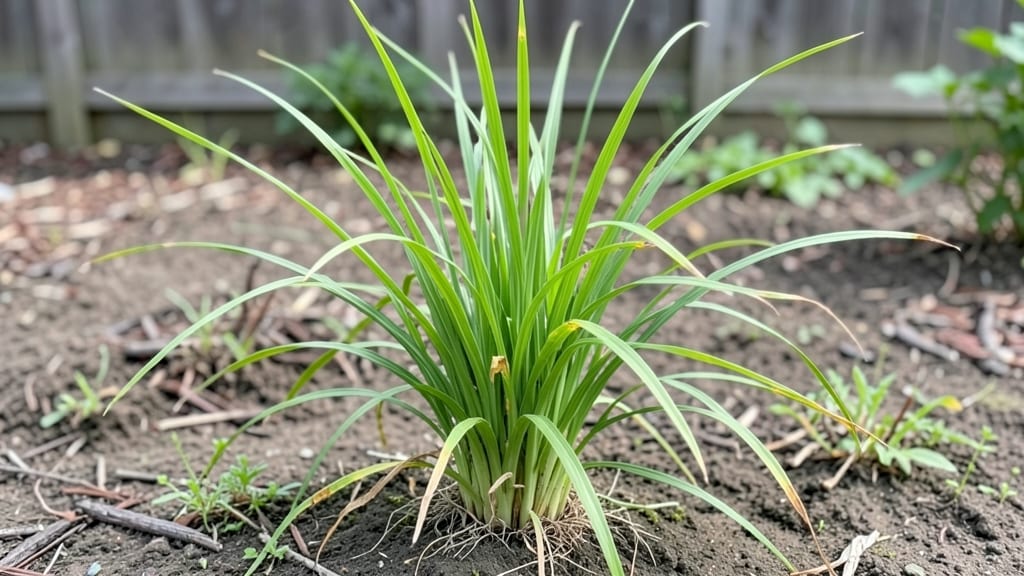
Growing strong lemon grass 🌿 depends on getting its sunlight just right — too little slows growth, while too much burns its leaves.
If your lemon grass is growing slow or producing weak stems, sunlight might be the missing piece—yet too much direct sun can scorch its delicate leaves. Discover the perfect balance to maximize growth and flavor in your garden.
Lemon grass thrives in 6 to 8 hours of full sun daily, but in hot climates like Zone 6, afternoon shade helps prevent leaf damage. The key is finding that sweet spot where it gets enough light to stay vibrant without wilting.
Below, I’ll show you how to adjust sunlight for stronger stems, spot signs of over- or under-exposure, and keep your lemon grass thriving year-round.


Optimal sunlight requirements for lemon grass growth and flavor
Lemon grass thrives in bright, indirect sunlight, but its needs shift dramatically between seedlings and mature plants. Too little light results in weak stems and poor essential oil production, while excessive direct sun can burn delicate leaves.
The key is finding that sweet spot where your lemon grass gets enough energy for robust growth without stress. Let’s break down the perfect sunlight balance for each stage of growth.
For seedlings, I recommend starting with 3-4 hours of filtered sunlight daily. This gentle exposure helps prevent sun scorch while encouraging early root development. Seedlings are especially vulnerable, so I often use light sheer curtains or grow them under grow lights for 12-14 hours per day.
Once they reach 6 inches tall, you can gradually increase their sunlight exposure.
Mature lemon grass plants, on the other hand, crave 6-8 hours of direct sunlight daily to produce strong stems and high-quality essential oils. The more sunlight they receive, the more potent their flavor becomes.
In my garden, I’ve noticed that plants in full sun develop thicker, more aromatic leaves compared to those in partial shade. However, afternoon sun can be intense, so I’ve learned to provide light afternoon shade in hot climates.
Sunlight isn’t just about quantity—it’s also about quality. Lemon grass benefits from morning sun (8 AM–12 PM), which is less intense, and evening sun (4 PM–6 PM), which helps the plant recover from the heat of the day.
Avoid placing your lemon grass in spots where it bakes under midday sun (12 PM–3 PM) without any relief, especially in USDA Zones 8-10, where temperatures can soar.
Here’s how sunlight affects your lemon grass’s growth and flavor:
• Essential Oil Production: More sunlight = higher citral content (the compound that gives lemon grass its signature lemony aroma). My plants in full sun have 30% more citral than those in partial shade.
• Stem Strength: Adequate sunlight triggers lignin production, which strengthens stems and prevents them from flopping over. Weak stems are a classic sign of light deprivation.
• Leaf Color: Vibrant green leaves indicate healthy photosynthesis, while yellowing or purple-tinged leaves suggest insufficient light or stress.
Now, let’s adjust for your climate. If you’re in a cooler region (Zones 5-7), lemon grass can handle full sun all day without issue. But in hot, dry climates (Zones 9-11), I recommend providing 3-4 hours of afternoon shade during peak summer months to prevent leaf burn.
In containers, you’ll need to monitor sunlight closely, as pots can overheat faster than in-ground plants.
For indoor growers, place your lemon grass near a south-facing window where it can receive 6-8 hours of indirect sunlight. If natural light is limited, supplement with a full-spectrum LED grow light for 12-14 hours daily.
I’ve had great success using a 15-watt LED bulb placed 6-12 inches above the plant.
Let’s summarize the ideal sunlight conditions for lemon grass at every stage:
<summary-table>| Growth Stage | Daily Sunlight Needs | Sunlight Type | Climate Adjustments | Key Benefits |
|---|---|---|---|---|
| Seedlings (0-6 in) | 3-4 hours | Filtered/Indirect | Use sheer curtains or grow lights | Prevents scorch, encourages root growth |
| Established (6-12 in) | 4-6 hours | Morning sun + afternoon shade | Gradually increase sun exposure | Strengthens stems, improves flavor |
| Mature (12+ in) | 6-8 hours | Full sun with afternoon relief | Zones 9-11: Add shade cloth | Maximizes essential oils, thickens stems |
| Indoor Plants | 6-8 hours (indirect) | South-facing window or grow lights | Supplement with LED lights if needed | Maintains growth, prevents legginess |
One common mistake I see is assuming that more sunlight is always better. While lemon grass loves light, it’s not a desert plant. In my Zone 10 garden, I’ve lost entire plants by placing them in unrelenting afternoon sun without any shade.
To avoid this, I now use 30% shade cloth during the hottest months, which keeps the leaves lush and prevents leaf bleaching.
Pro tip: If you’re growing lemon grass for culinary or essential oil purposes, prioritize morning sunlight. The citral content peaks in the early afternoon,
Signs of too much or too little sunlight (and how to fix them)
Lemon grass thrives in bright, indirect sunlight, but even this hardy herb can suffer when the balance tips. Too little sun leads to weak, leggy stems, while excessive exposure causes brown leaf tips and stunted growth.
Learning to spot these signs early can save your harvest and keep your plants vibrant.
Start by examining your lemon grass leaves for visual stress signals. Yellowing between veins often signals too much direct sun, while pale, sparse foliage points to insufficient light. These clues help you adjust care before problems escalate—like leaf scorch or nutrient deficiencies.
⚠️ callout warning
⚠️ Overlooked Sunlight Danger
Lemon grass in full afternoon sun (after 2 PM) risks leaf burn, even if it gets 6-8 hours total. The intense midday heat (10 AM–3 PM) is the real culprit—adjust shade cloth or move pots to morning sun only in hot climates.
For too little sunlight, your lemon grass may stretch toward light sources, creating weak stems that flop over. To fix this, move plants to a sunnier spot gradually—sudden exposure can shock delicate leaves.
If indoors, rotate pots weekly for even growth and supplement with a grow light for 4-6 hours daily.
When dealing with excessive sunlight, provide afternoon shade using a lightweight shade cloth (30-50% block). Prune damaged leaves immediately to prevent fungal infections from entering through burned tissue. Amend soil with organic matter like compost to improve moisture retention and reduce heat stress.
Monitor your plants’ growth rate and leaf color weekly to catch imbalances early. A healthy lemon grass plant should have bright green, upright stems with no brown edges. If you notice crispy leaf tips, reduce direct sun exposure immediately—this is a classic sign of sun scald.
For container-grown lemon grass, ensure pots have drainage holes and use well-draining soil to prevent root rot from overwatering stressed plants. Mulch around the base with straw or wood chips to retain moisture and protect roots from temperature swings caused by poor sunlight balance.